Sunday, June 14, 2026
Google search engine
Home Blog Page 16

Teen stumbles on mysterious coin from legendary city, puzzling archaeologists over its journey

0

NEWYou can now listen to Fox News articles!

A German teenager recently uncovered an ancient Greek coin — marking the first such find ever recorded in Berlin.

The coin, which dates to the third century B.C., was uncovered by a 13-year-old male student in the district of Spandau, an area not typically associated with ancient Greek artifacts.

PETRI Berlin, an archaeology center in the German capital, announced the find in April. 

‘ARCHAEOLOGICAL SENSATION’ DISCOVERED AT ANCIENT ROMAN MILITARY CAMPS

The organization said that finds from classical antiquity “are generally rare in Berlin.”

The release noted, “While Roman objects can be identified occasionally but regularly, Greek finds had previously been entirely absent.”

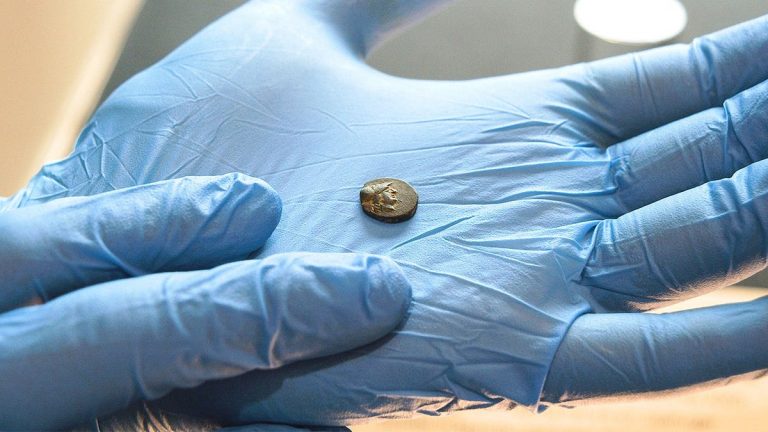
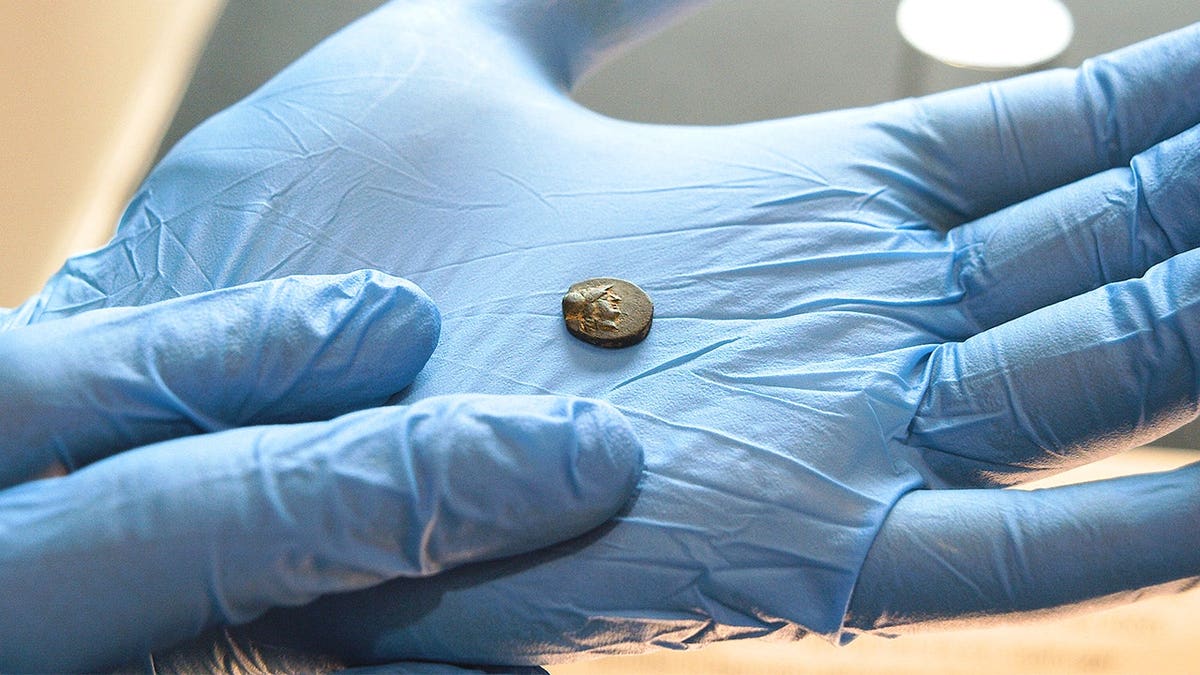
Man holding small coin with glove

A rare ancient Greek coin dating to the third century B.C. was discovered in Berlin by a teenage student, marking a first for the German capital. (PETRI Berlin/Christof Hannemann)

It went on, “The current discovery therefore represents a scientific rarity.”

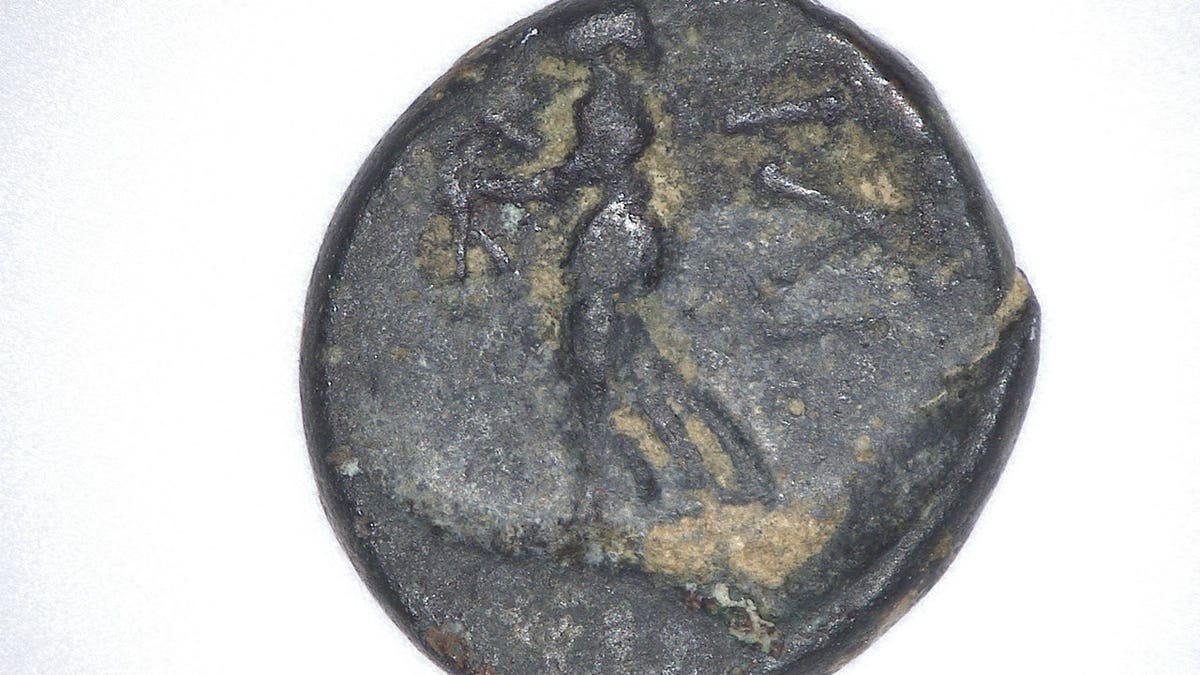
The tiny bronze coin measures just 12 millimeters and weighs 7 grams. Though historically significant, it likely held little monetary value in the ancient world.

It was minted between 281 and 261 B.C. in Troy, the legendary city tied to the Trojan War.

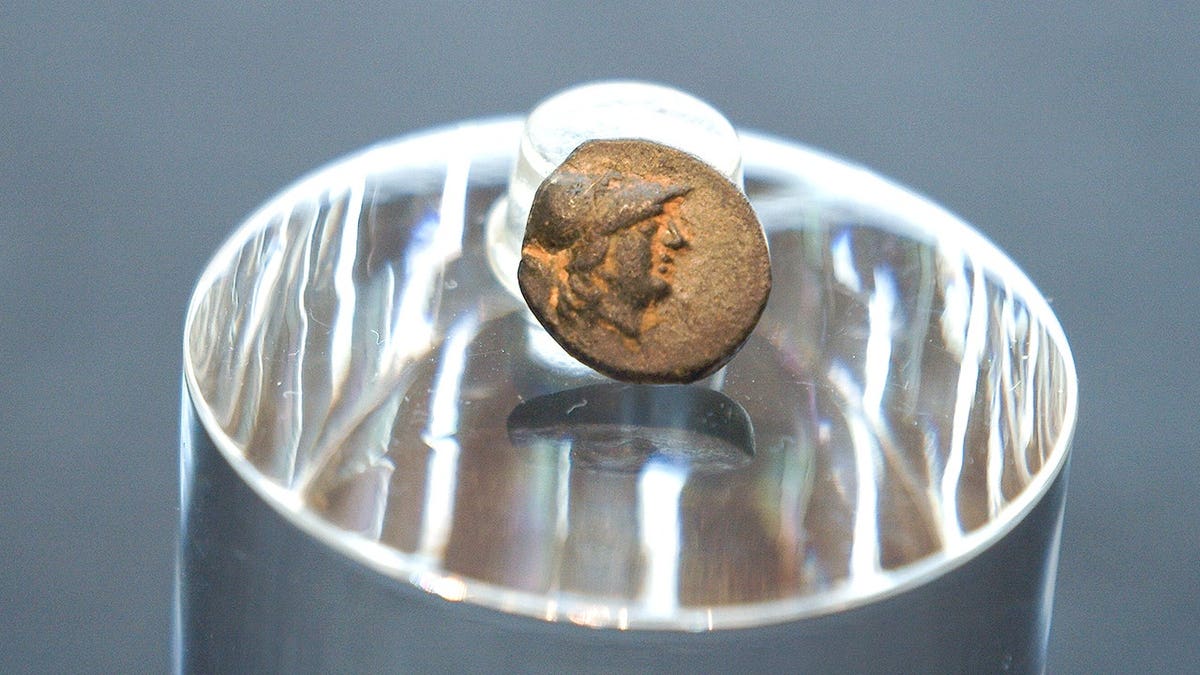
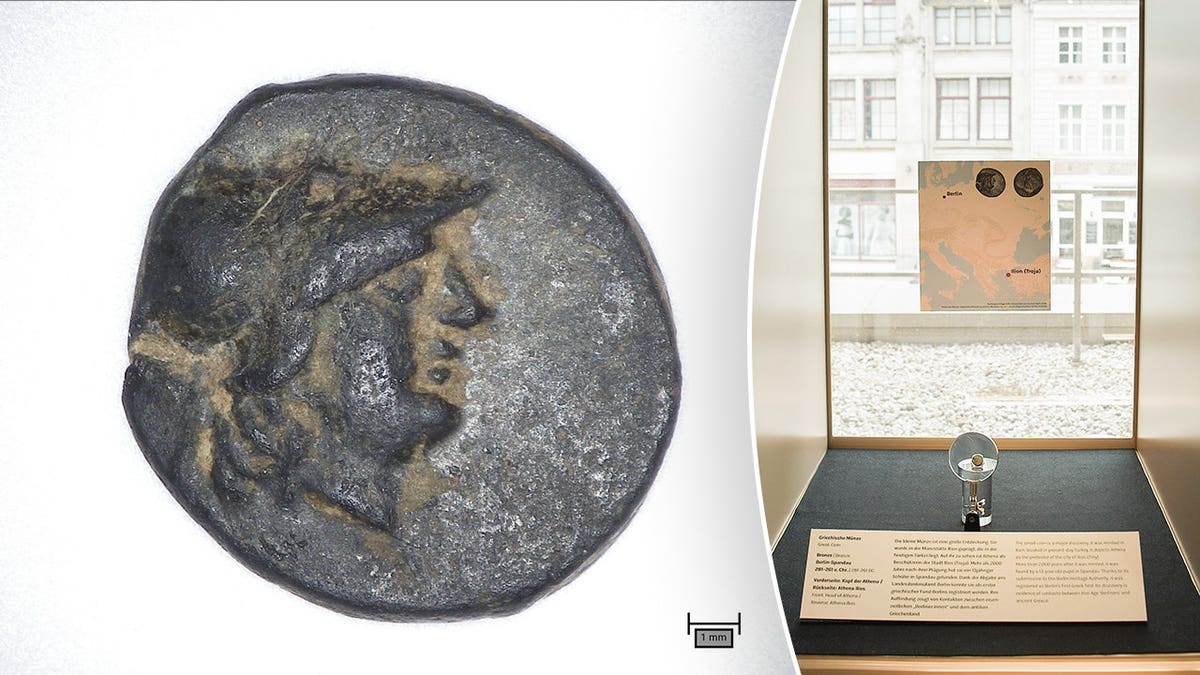
The coin’s front side depicts the head of the goddess Athena wearing a Corinthian helmet, while the reverse shows Athena Ilias, the local Trojan form of Athena, with a woven basket known as a kalathos.

METAL DETECTORIST UNWITTINGLY DISCOVERS STRANGE HOARD OF HUNDREDS OF ANCIENT OBJECTS: ‘RARELY SEEN’

“Initially, it was unclear whether the find came from an archaeological context or was a modern collector’s item that had been lost,” the organization’s release stated.

“There were connections between these ancient peoples, perhaps more than we can imagine today.”

“However, an examination of the site by specialists revealed clear evidence of long-term use of the area as a burial ground. Ceramic fragments, cremated remains and a bronze double button indicate a Bronze Age or early Iron Age cemetery.”

CLICK HERE TO SIGN UP FOR OUR LIFESTYLE NEWSLETTER

The low-value coin was likely left as a grave offering, said Jens Henker, an archaeological heritage officer with the Berlin State Monuments Office.

Henker told Fox News Digital that the boy who found it “was simply out playing in his usual area” before stumbling on the coin by accident.

Small Greek coin on display at museum

Archaeologists say the bronze coin found in Berlin’s Spandau district likely dates back more than 2,000 years to ancient Troy. (PETRI Berlin/Christof Hannemann)

“Because he is interested in old coins, he probably [had] an eye for that and took it with him … without knowing what he found,” he said.

Henker added that how the coin ultimately made its way to Berlin remains unexplained.

CLICK HERE FOR MORE LIFESTYLE STORIES

“Because we have amber from the Baltic Sea in Ancient Greece, there were clearly trading connections as early as the Bronze Age,” he noted. “The coin could have simply been a traded good.”

There was likely some contact between ancient Greeks and Germanic tribes, but the extent remains unclear.

Split image of coin face next to museum exhibit

Experts believe the coin may have been left as a grave offering in what appears to be a prehistoric burial site. (Berlin State Museums, Museum of Prehistory and Early History / Ulrike Scheibe | PETRI Berlin / Christof Hannemann)

“Did the coin come not directly from Greece to our area, but via connections with Celtic tribes in the southwest?” Henker mused.

“At the end, we have many guesses and questions, but one thing should be recognized: there were connections between these ancient peoples, perhaps more than we can imagine today.”

CLICK HERE TO DOWNLOAD THE FOX NEWS APP

Greek contact with Germanic tribes was far more limited than the extensive ties seen under the Roman Empire, Henker noted.

“The connections between the Roman Empire and the German tribes was a much more intense one, mainly [because] the members of the German tribes [were] often used as helping troops for the Romans,” he said.

Obverse side of coin showing Athena imagery

Athena appears prominently on the coin uncovered in Berlin, offering a clear connection to ancient Greek culture. (Berlin State Museums, Museum of Prehistory and Early History / Ulrike Scheibe)

“In return, but also by plundering, a lot of Roman objects came in our area. According to the lesser amount of findings here from the Greek period, the connections were less intensive.”

The official underscored the significance of the find, saying his team “was never expecting such a find, although we wished it!”

TEST YOURSELF WITH OUR LATEST LIFESTYLE QUIZ

He added, “For Berlin, it is the first find, but not for the area of Brandenburg around Berlin.”

“In the time around 1584, a [German] farmer found a tetradrachm [coin] from the island of Thasos, [from] after 146 B.C. … Still, these finds are really rare, but our recently found coin is not the only one.”

Source

Gold Coast and AFL feuding over Suns’ commitment to Darwin: ‘Never at home’

0

A war is brewing between Gold Coast and the AFL over the club’s commitment to Darwin.

After the Suns victory over Port Adelaide last Friday, coach Damien Hardwick put the issue on the agenda, saying his club was being asked to promote the game in South East Queensland as well as promote it in Australia’s Top End.

While the Suns’ record in Darwin is first class (10-2), the club is making it clear it wants more games at its own stadium.

Know the news with the 7NEWS app: Download today Arrow

The have not played their in the past fortnight, will play North Melbourne in Melbourne this Saturday, and then have a bye.

Earlier this year, the Suns also had an extended break from People First Stadium, playing Richmond at the MCG in Round 2, having a bye in Round 3, heading back to the MCG in Round 4, and then heading to South Australia for Gather Round.

“What I do know is we’re charged with the responsibility of growing the game in South East Queensland. We’ve also got a responsibility to grow the game up here. We’d also love to have some more home games in Queensland as well,” Hardwick said last Friday.

“Where that ends up, I’m not too sure. There’s people, obviously, that will enter negotiations.”

Veteran AFL journalist Caroline Wilson said tension between the Suns and Gold Coast were now rising …. quickly.

“They certainly want out for one game. I think they’re happy to play one,” Wilson said on Channel 7’s The Agenda Setters.

AFL expert Kane Cornes said, on the surface, it seemed like a strange decision from a performance point of view.

“They’re 10-2, it’s a nightmare to go and play them there,” Cornes said.

“They stay there for two weeks. You’ve got no hope going there to win … because they get used to the climate, the conditions. So from a performance point of view, it suits them. What’s their reason?” Cornes said.

Wilson said the Suns were tired of not being at home.

“Damien Hardwick said it, ‘We’re here to develop the game in the South East Queensland.’ When they get back to the Gold Coast finally to play their next home game there, it’ll be four weeks’ absence,” Wilson said.

“We know they had a massive absence from there earlier in the year.

“So the Gold Coast Suns are saying, ‘we’re never there. We’re never at our home ground.’ So that’s one reason.

“They also say, and I think Damien Hardwick made this clear last year, and he’s supported by his footy department … and his board, that by the end of the year, they say that they’re generally pretty stuffed.

“It’s exhausting. It’s exhausting to spend 10 days up at the Gold Coast.”

Stream The Agenda Setters live or watch anytime on-demand at 7plus

Of course, the competition funds Gold Coast and Wilson said there was every chance the commission might say tough luck.

“(They might say): ‘Bad luck. It’s your area. It’s your territory. You go up there and you play two more home games in Darwin. Stop complaining.’ I reckon it’s on now between the Gold Coast Suns and the AFL commission,” Wilson said.

“(The Suns) seem angry. Look, they do play very well up there, but I can understand their reasons. And I can understand that they see themselves now as a potential preliminary final team, and they don’t want anything to detract from that.

“So this is going to be a ding-dong battle.”

Premiership hero Dale Thomas said he understood where the Suns were coming from.

“If they’re not back playing on their home deck in the Gold Coast for four weeks, as it turns out, with travel and then back to Melbourne this week, no doubt (that takes its toll),” Thomas said.

“And at the time, when they did this deal, they weren’t contending for premiership. So I think they would have aptly taken the loss of what might have been perfect preparation for the incentives of money and funding. (But) now they’re playing for premierships and I imagine that Damien Hardwick goes, ‘no, we need to do everything we can to be the best football side,’ not what’s best for the (competition).”

Cornes also said it was long time for some of the senior players to be away from their family.

“I can understand they want to be a serious footy team,” Cornes said.

Source

Fujitsu, SMBC Group and SoftBank agree on alliance to build Japan-made platform for sustainable healthcare

0

Companies aim to extend healthy life expectancy, optimize management of healthcare institutions, and curb national healthcare costs

Sumitomo Mitsui Financial Group, Inc.
Fujitsu Limited
SoftBank Corp.

TOKYO, May 19, 2026 /PRNewswire/ — Fujitsu Limited (Fujitsu), Sumitomo Mitsui Financial Group, Inc. (SMBC Group), and SoftBank Corp. (SoftBank) announced they entered into a basic agreement regarding a business alliance (the Alliance) in the health and medical fields with the objective of ensuring the continued sustainability of Japan’s healthcare system, which is based on universal health insurance. The agreement, concluded on May 18, will see the three companies build a Japan-developed healthcare platform aimed at achieving sustainable healthcare, contributing to the extension of healthy life expectancy of citizens, optimizing the management of healthcare institutions, and curbing national healthcare costs.

Under the Alliance, the companies will establish a data platform that enables the secure and appropriate management and utilization of medical data held within healthcare information systems, based on individual consent. In addition, by combining this medical data with personal health data that is controlled by individuals themselves—also linked and managed based on individual consent—they will develop app-based AI agents that act as personalized health partners tailored to each individual.

The data platform and related apps will be built within Japan-based data centers as Japan-developed healthcare infrastructure. Through this initiative, the companies aim to realize a secure and integrated framework that supports the entire patient journey—from daily health management to medical consultations, ongoing treatment, and post-treatment follow-up. Ultimately, this will enhance support for improving individual health outcomes, promoting behavioral change, and enabling more advanced assessments of disease risks.

Furthermore, through this Alliance, the companies will create new businesses that contribute to streamlining costs caused by duplicate testing and prescriptions, disease aggravation due to interrupted treatment, and the progression of preventable illnesses and frailty. By promoting the optimization of healthcare delivery, they aim to help curb future healthcare cost increases on the scale of approximately 5 trillion yen, thereby contributing to the achievement of sustainable healthcare.

For full release click here

Source

IPAX-2 Study of TLX101-Tx in First-line Glioblastoma Completes Enrolment and Confirms Dosing

0
  • IPAX-2 study of TLX101-Tx (¹³¹I-iodofalan) has completed patient enrolment.
  • Maximum dose reached with no dose-limiting toxicities observed.
  • TLX101-Tx is also the subject of a pivotal trial, IPAX BrIGHT, which is actively dosing patients with recurrent glioblastoma.

MELBOURNE, Australia and INDIANAPOLIS, May 19, 2026 /PRNewswire/ — Telix Pharmaceuticals Limited (ASX: TLX, NASDAQ: TLX, “Telix”) today announces that the IPAX-2 study[1] of TLX101-Tx (¹³¹I-iodofalan) in patients with newly diagnosed glioblastoma has completed patient enrolment. No dose-limiting toxicities (DLTs) have been observed to date, including with two doses of 5GBq (total administered activity of 10GBq), the maximum administered dose in the study.

IPAX-2 is an international, multicenter, open-label Phase 1 dose finding study to evaluate the safety and tolerability of TLX101-Tx in combination with post-surgical standard-of-care treatment (external beam radiation therapy and temozolomide) in primary glioblastoma. Twelve patients were enrolled into three dose escalating cohorts across four sites in Australia, Austria and the Netherlands to assess the safety and tolerability, and to assess the maximum tolerated dose (MTD) for further development. Patients remain on standard-of-care treatment until study completion, after which the MTD primary endpoint will be confirmed.  

Dr. David N. Cade, Group Chief Medical Officer, Telix, commented, “We are pleased to have completed enrolment in IPAX-2, an important milestone in the development of TLX101-Tx as a potential treatment for first-line glioblastoma. The tolerability amongst patients, and the absence of dose-limiting toxicities observed on this study strongly support the continued development of this targeted radiopharmaceutical candidate. We thank the principal investigators, their clinical teams, and the patients who have participated in this important research.”

TLX101-Tx is currently also under evaluation in the pivotal IPAX BrIGHT[2] trial to assess the safety and efficacy of TLX101-Tx in combination with chemotherapy (lomustine), compared to chemotherapy alone in patients with recurrent glioblastoma (last line). IPAX BrIGHT is actively enrolling and dosing patients in Australia and the Netherlands and is also approved in Austria and Belgium with enrollment to begin soon. This marks the first radiopharmaceutical therapy to enter Phase 3 development for glioblastoma.

Telix’s PET imaging candidate TLX101-Px (floretyrosine F 18) has been used across the IPAX series of trials to identify participants with overexpressed LAT1 as suitable candidates for TLX101-Tx therapy, and to provide baseline and follow-up information on tumor response and progression.

About TLX101-Tx

TLX101-Tx (¹³¹I-iodofalan) is a systemically administered radiopharmaceutical therapy that targets L-type amino acid transporter 1 (LAT1), which is typically over-expressed in glioblastoma. TLX101-Tx utilizes a small molecule approach due to the need to cross the blood brain barrier, the normal protective barrier that prevents many potential drug candidates entering the brain. In addition to IPAX-2, TLX101-Tx was also the subject of the IPAX-1 study[3] in recurrent glioblastoma, which reported a median overall survival (OS) of 13 months from the initiation of treatment with TLX101-Tx, or 23 months from initial diagnosis[4]. Preliminary results from the IPAX-Linz investigator-initiated trial of TLX101-Tx in the recurrent setting were consistent and confirmatory to IPAX-1, with a median OS of 11.9 months from the relapse prior to trial enrollment and 32.2 months from initial diagnosis[5]. Beyond the clinical trial setting, an early access program for TLX101-Tx in Europe has dosed 18 patients at first recurrence or later, further establishing the clinical utility of TLX101-Tx.

TLX101-Tx has received orphan drug designation in the U.S. and Europe for the treatment of glioma. TLX101-Tx and TLX101-Px have not received a marketing authorization in any jurisdiction and are for investigational use only.

About glioblastoma  

Glioblastoma (GBM), is a high-grade glioma and the most common and aggressive form of primary brain cancer, with approximately 22,000 new cases diagnosed annually in the U.S.[6]. The mainstay of treatment for GBM comprises surgical resection, followed by combined radiotherapy and chemotherapy. Despite such treatment, recurrence occurs in almost all patients[7], with an expected survival duration of 12-15 months from diagnosis[8].

About Telix Pharmaceuticals Limited

Telix is a global biopharmaceutical company focused on the development and commercialization of radiopharmaceuticals with the goal of addressing significant unmet medical need in oncology and rare diseases. Telix is headquartered in Melbourne (Australia) with international operations in the United States, United Kingdom, Brazil, Canada, Europe (Belgium and Switzerland) and Japan. Telix is listed on the Australian Securities Exchange (ASX: TLX) and the Nasdaq Global Select Market (NASDAQ: TLX).

Visit www.telixpharma.com for further information about Telix, including details of the latest share price, ASX and U.S. Securities and Exchange Commission (SEC) filings, investor and analyst presentations, news releases, event details and other publications that may be of interest. You can also follow Telix on LinkedIn, X and Facebook.


Legal Notices
Cautionary Statement Regarding Forward-Looking Statements. 
 

You should read this announcement together with our risk factors, as disclosed in our most recently filed reports with the Australian Securities Exchange (ASX), U.S. Securities and Exchange Commission (SEC), including our Annual Report on Form 20-F filed with the SEC, or on our website.

The information contained in this announcement is not intended to be an offer for subscription, invitation or recommendation with respect to securities of Telix Pharmaceuticals Limited (Telix) in any jurisdiction, including the United States. The information and opinions contained in this announcement are subject to change without notification.  To the maximum extent permitted by law, Telix disclaims any obligation or undertaking to update or revise any information or opinions contained in this announcement, including any forward-looking statements (as referred to below), whether as a result of new information, future developments, a change in expectations or assumptions, or otherwise. No representation or warranty, express or implied, is made in relation to the accuracy or completeness of the information contained or opinions expressed in the course of this announcement.

This announcement may contain forward-looking statements, including within the meaning of the U.S. Private Securities Litigation Reform Act of 1995, that relate to anticipated future events, financial performance, plans, strategies or business developments. Forward-looking statements can generally be identified by the use of words such as “may”, “expect”, “intend”, “plan”, “estimate”, “anticipate”, “believe”, “outlook”, “forecast” and “guidance”, or the negative of these words or other similar terms or expressions. Forward-looking statements involve known and unknown risks, uncertainties and other factors that may cause our actual results, levels of activity, performance or achievements to differ materially from any future results, levels of activity, performance or achievements expressed or implied by these forward-looking statements. Forward-looking statements are based on Telix’s good-faith assumptions as to the financial, market, regulatory and other risks and considerations that exist and affect Telix’s business and operations in the future and there can be no assurance that any of the assumptions will prove to be correct. In the context of Telix’s business, forward-looking statements may include, but are not limited to, statements about: the initiation, timing, progress, completion and results of Telix’s preclinical and clinical trials, and Telix’s research and development programs; Telix’s ability to advance product candidates into, enroll and successfully complete, clinical studies, including multi-national clinical trials; the timing or likelihood of regulatory filings and approvals for Telix’s product candidates, including TLX101-Px, manufacturing activities and product marketing activities; Telix’s sales, marketing and distribution and manufacturing capabilities and strategies; the commercialization of Telix’s product candidates, if or when they have been approved; Telix’s ability to obtain an adequate supply of raw materials at reasonable costs for its products and product candidates; estimates of Telix’s expenses, future revenues and capital requirements; Telix’s financial performance; developments relating to Telix’s competitors and industry; the anticipated impact of U.S. and foreign tariffs and other macroeconomic conditions on Telix’s business, including as a result of war or other geopolitical conflicts; and the pricing and reimbursement of Telix’s product candidates, if and after they have been approved. Telix’s actual results, performance or achievements may be materially different from those which may be expressed or implied by such statements, and the differences may be adverse. Accordingly, you should not place undue reliance on these forward-looking statements.

Trademarks and Trade Names. All trademarks and trade names referenced in this press release are the property of Telix Pharmaceuticals Limited (Telix) or, where applicable, the property of their respective owners. For convenience, trademarks and trade names may appear without the ® or ™ symbols. Such omissions are not intended to indicate any waiver of rights by Telix or the respective owners. Trademark registration status may vary from country to country. Telix does not intend the use or display of any third-party trademarks or trade names to imply any affiliation with, endorsement by, or sponsorship from those third parties.

©2026 Telix Pharmaceuticals Limited. All rights reserved.

[1] ClinicalTrials.gov ID: NCT05450744.

[2] ClinicalTrials.gov ID: NCT07100730.

[3] ClinicalTrials.gov ID: NCT03849105.

[4] Pichler et al. Neurooncol Adv. 2024. https://doi.org/10.1093/noajnl/vdae130

[5] Telix ASX disclosure April 16, 2025. Data presented by Professor Josef Pichler at the Nuclear Medicine and Neurooncology (NMN) Symposium in Vienna (Austria), May 2025.

[6] Ostrom 2022, CBTRUS (Central Brain Tumor Registry of the United States) Statistical Report.

[7] Park et al. Journal of Clinical Oncology. 2010.

[8] Ostrom et al. Neuro Oncol. 2018.

Source

International Museum Day: Echoes of Hubei’s history

0

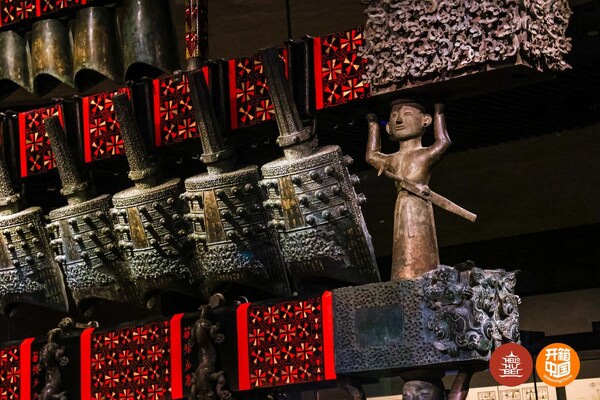
WUHAN, China, May 18, 2026 /PRNewswire/ — This is a news report by China Daily: Step into museums across Hubei province, look back on history and embrace the world! Ancient bianzhong (bronze chime bells) music echoes, and primitive eggshell pottery reappears. On International Museum Day, wonderful exhibitions bring the prehistoric Shijiahe civilization and Jingchu bronze culture to life.

Source

Colossal tomb tied to Alexander the Great revealed by officials: ‘Unique and magnificent’

0

NEWYou can now listen to Fox News articles!

Greek officials have unveiled the interior of a massive ancient tomb possibly linked to Alexander the Great as archaeologists continue excavation and restoration work.

Greece’s Ministry of Culture announced the news in a statement on May 11.

The excavation centers around the Kasta Tomb in Amphipolis, the ruins of an ancient Macedonian city in northern Greece, about 60 miles northeast of Thessaloniki.

ALEXANDER THE GREAT’S LONG-LOST CITY LOCATED AFTER NEARLY TWO MILLENNIA: ‘ABSOLUTELY STUNNING’

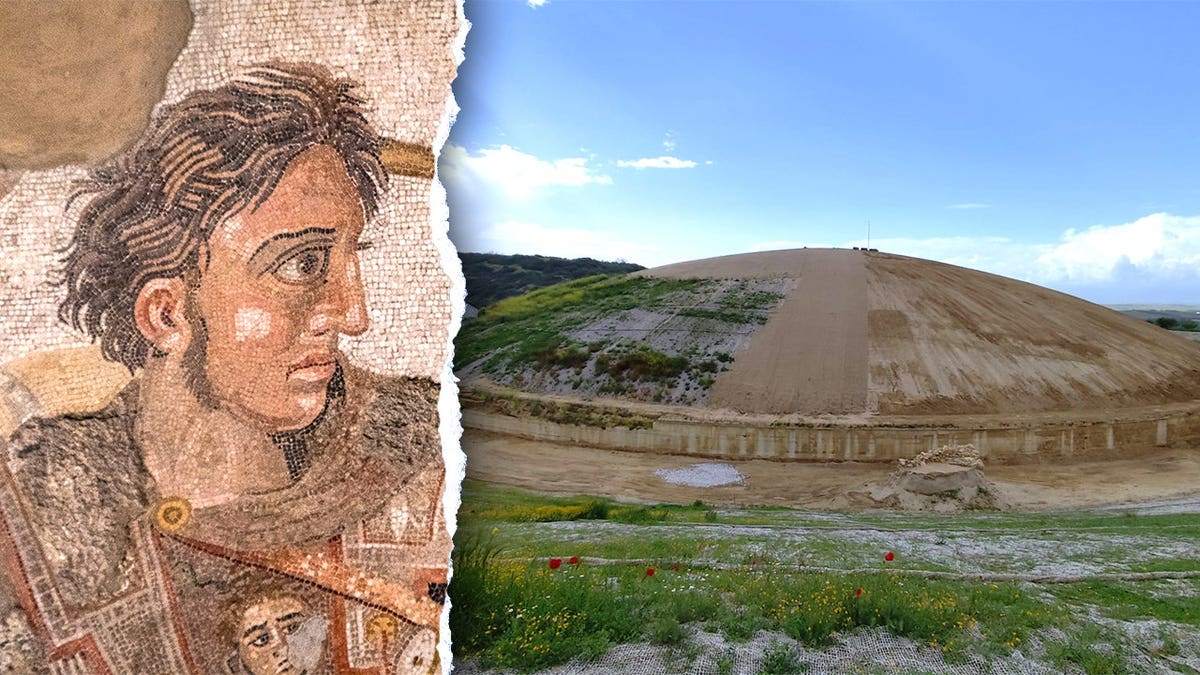
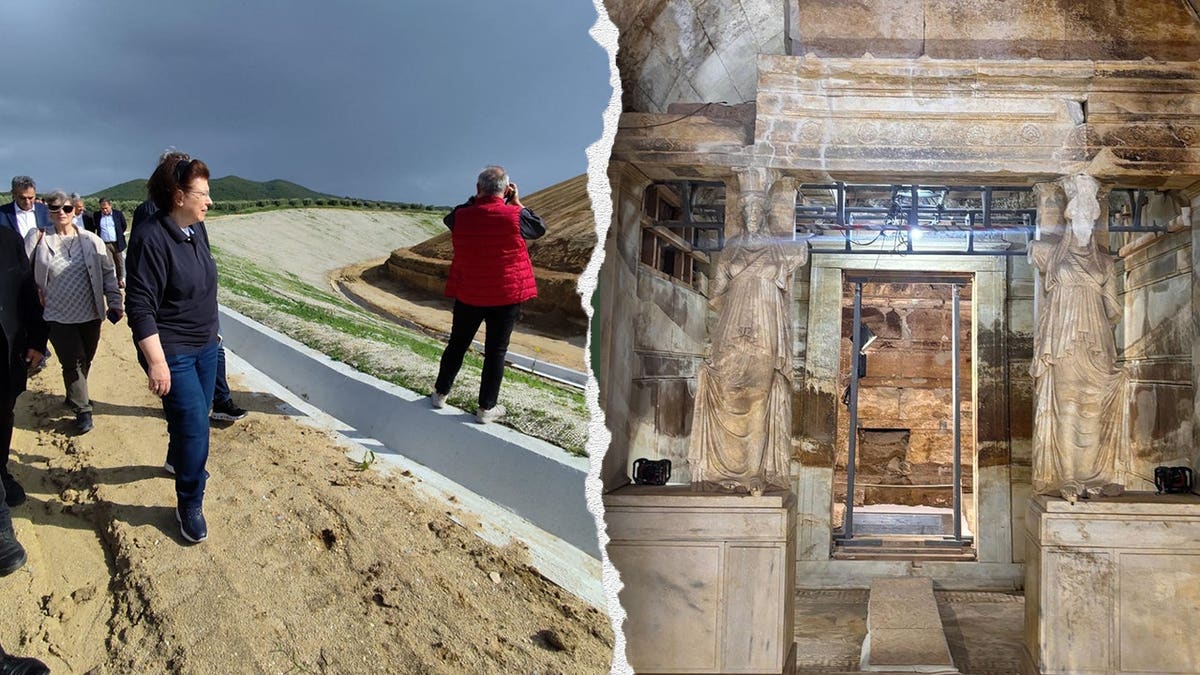
Greek officials said restoration work at the Kasta Tomb in Amphipolis has uncovered the site’s full enclosure for the first time, revealing the massive scale of the ancient Macedonian monument.

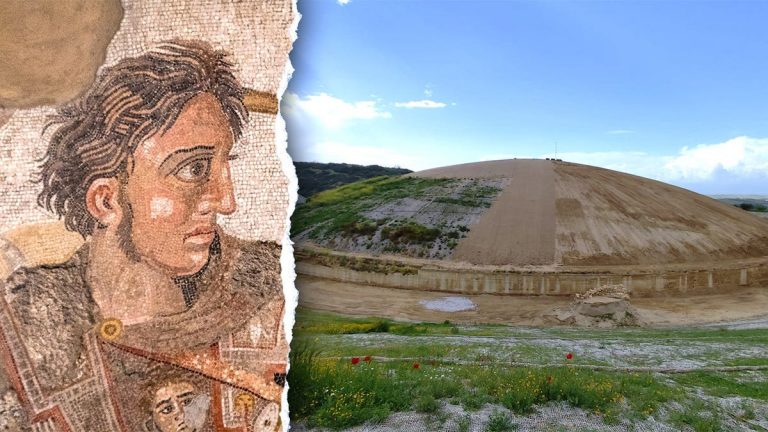
The enclosure, built in the fourth century B.C., measures roughly 1,630 feet in circumference. It surrounds a burial mound spanning more than 20 acres, as Cover Media reported.

Split image of Alexander the Great mosaic, giant mound

Greek officials unveiled new restoration progress inside the ancient Kasta Tomb in Amphipolis, a site linked to Alexander the Great’s era. (iStock; Greek Ministry of Culture/Cover Images)

Pictures released by the ministry show marble-lined passageways, elaborate architecture and fine sculptural details that suggest the structure was built for a member of the Macedonian elite.

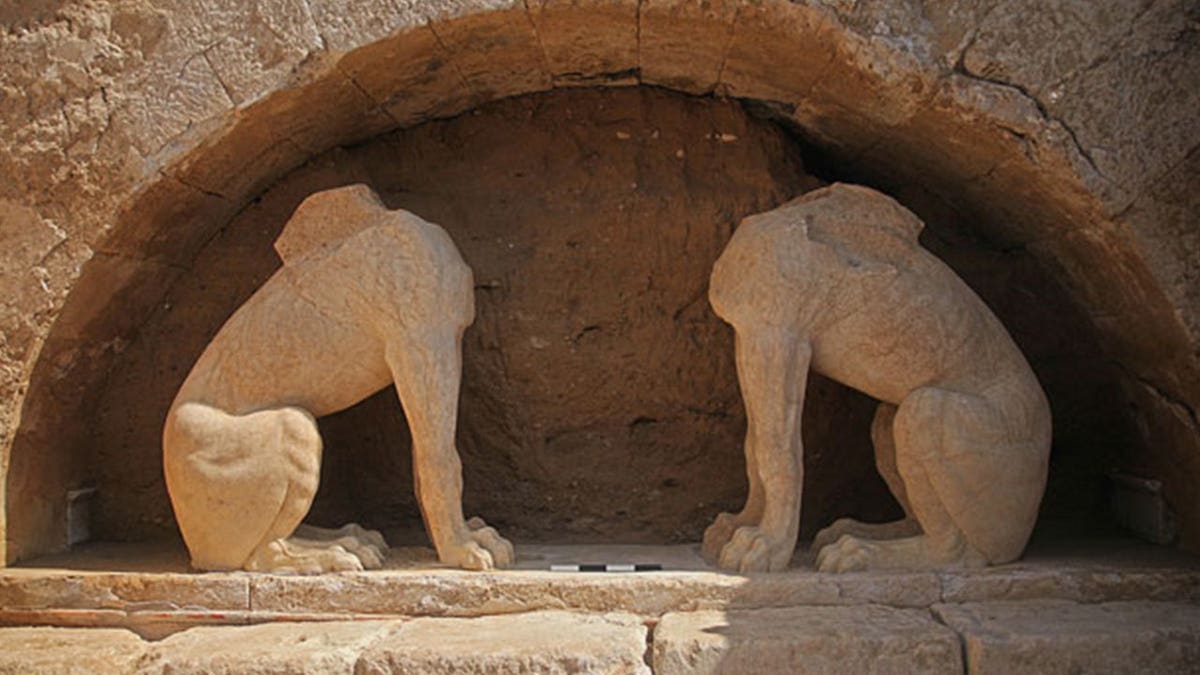
Officials removed older metal supports to make the monument’s interior fully visible, and future plans include installing the tomb’s monumental double-leaf Macedonian marble door and restoring parts of the sphinx sculptures that once guarded the entrance.

TREASURES IN ITALY, INCLUDING 2,300-YEAR-OLD TOMB, UNEARTHED DURING SEWER INSTALLATION

“The Kasta Tomb is a unique and magnificent Macedonian monument, which, through the completion of the work of restoring its geometry, but also revealing the entire enclosure, now clearly highlights its historical importance and its value,” Lina Mendoni, Greek minister of culture, said in a translated statement.

REAL LIFE EXCALIBUR? MAN ON A HIKE UNCOVERS GOLD SWORD RELIC HIDDEN UNDER TREE

Amphipolis is “associated with major figures of the Kingdom of Macedon, such as the three generals of Alexander the Great, Nearchus, Hephaestion and Laomedon, who resided in the city,” according to the Ministry of Culture’s website.

View of officials standing outside burial next to interior shot of marble hallway

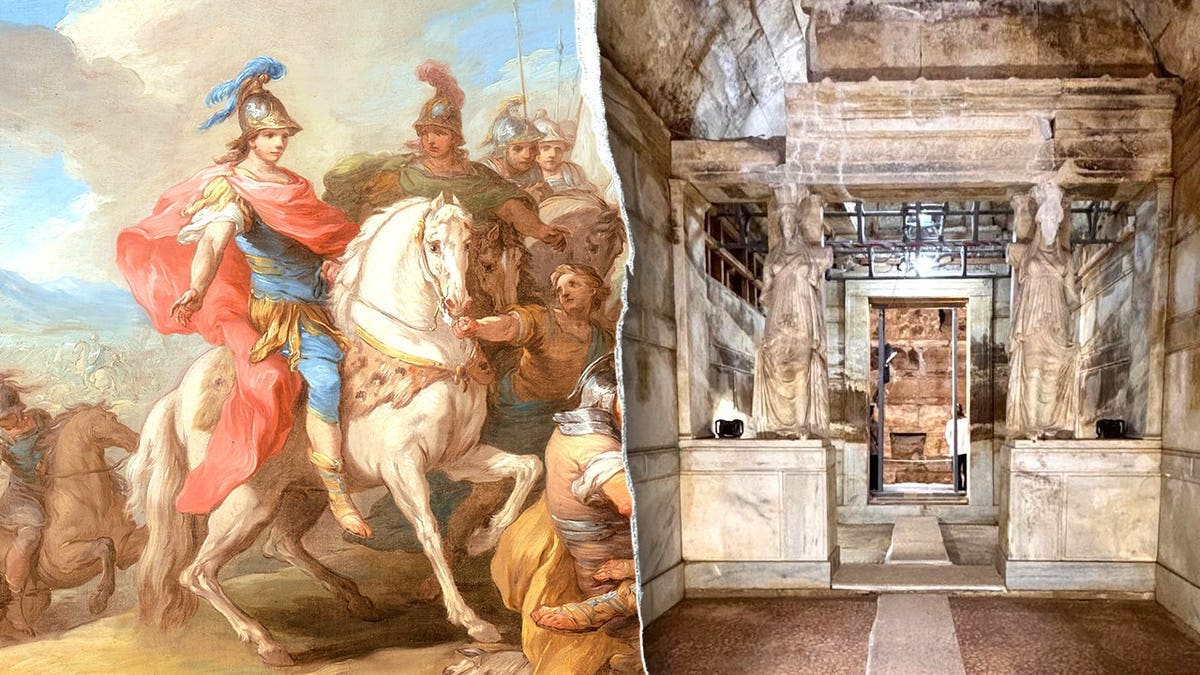
Restoration crews removed older support structures to fully expose the interior of the ancient Macedonian monument in Amphipolis. (Greek Ministry of Culture/Cover Images)

“After Alexander’s death, the city’s garrison remained loyal to his mother Olympias and only agreed to surrender the city to Cassander, one of Alexander’s successors, on her orders,” the website notes.

“Cassander imprisoned Alexander’s wife Roxana and his son Alexander IV in Amphipolis and ordered their murder.”

CLICK HERE FOR MORE LIFESTYLE STORIES

Alexander the Great, who lived from 356 B.C. to 323 B.C., is known for establishing the vast Macedonian Empire across parts of Europe, Asia and Africa as a young man.

Split image of Alexander the Great painting, view of inside of monument

The ancient burial complex in Amphipolis is believed to have been built for someone closely connected to Alexander the Great. (Heritage Art/Heritage Images via Getty Images; Greek Ministry of Culture/Cover Images)

He defeated the Persian Empire — then the dominant superpower of the ancient world — before dying at age 32 under mysterious circumstances, despite never losing a battle.

TEST YOURSELF WITH OUR LATEST LIFESTYLE QUIZ

Researchers believed Kasta Tomb was “built for someone very close to Alexander the Great,” such as his mother, one of his wives or one of his friends, National Geographic reported in 2014.

Destroyed carving of lions at site

Greek authorities plan to restore portions of the sphinx sculptures that once guarded the entrance to the monumental tomb. (Greek Ministry of Culture/Cover Images)

The latest excavation isn’t the only recent archaeological project tied to the legendary Macedonian ruler.

CLICK HERE TO SIGN UP FOR OUR LIFESTYLE NEWSLETTER

Earlier in 2026, Fox News Digital spoke with an archaeologist who helped locate a long-lost city founded by Alexander the Great after centuries of obscurity.

CLICK HERE TO DOWNLOAD THE FOX NEWS APP

The city, called Alexandria on the Tigris, is located near the Persian Gulf in southern Iraq. It was founded in the fourth century B.C.

Source

Ryanair Group CEO Michael O’Leary on jet fuel crisis: Expect airline bankruptcies in Europe

0

Share

Ryanair Group CEO Michael O’Leary, joins ‘Squawk Box’ to discuss the company’s quarterly earnings results, impact of rising jet fuel costs, Europe’s energy policies, state of travel demand, and more.

08:46

2 hours ago

Source

Sidelined star Max King gagged by St Kilda at ‘embarrassing’ press conference during injury absence

0

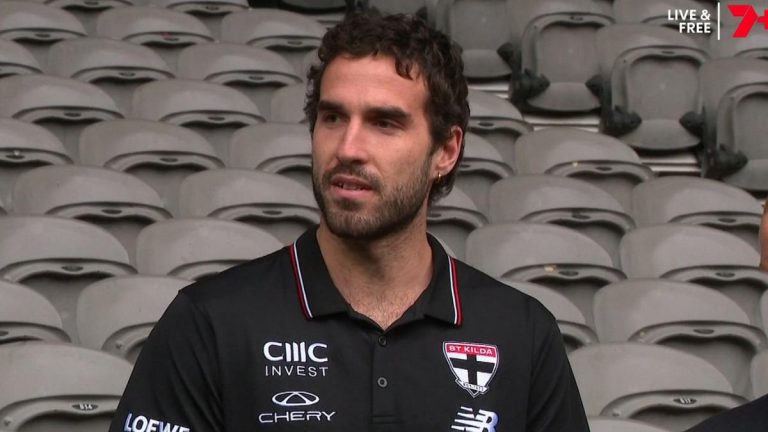
St Kilda have been called out for an “embarrassing” decision to send out sidelined star Max King for a press conference without permitting him to talk about his injuries.

The 25-year-old key forward has not played an AFL game since June 2024, four months before he signed a monster contract worth well over $1.5 million per season.

He appeared in two recent VFL games before breaking down with a hamstring issue earlier this month.

Know the news with the 7NEWS app: Download today Arrow

Set to miss at least another month before a possible return, King appeared at a press conference on Monday after Spud’s Game was locked in for later this year.

And that was all he was permitted to talk about.

“It was a misstep,” Craig Hutchison said on Channel 7’s The Agenda Setters.

“The media were advised Max wouldn’t be taking questions about really the only questions anyone wants to ask him, which is when will he be back.”

King appeared exasperated to have to ward off the questions.

“Feeling good and excited for the backend of the year and games like Spud’s Game. Excited for the club,” he said.

Once more: “As I said I’m feeling good, excited to talk about Spud’s Game and it’s good to be here.”

And a third time: “Again I’m here to talk about Spud’s Game. There’ll be a time I can go a bit deeper into the last few years but we know Spud’s Game is a great cause.”

St Kilda great Nick Riewoldt agreed “it’s an odd look” and said “the context” to King’s appearance was that active players were on a day off on their short break between games.

“If you’re going to go along I think you’ve got to be prepared to answer those questions,” he added.

Head here to watch The Agenda Setters on 7plus Sport

Hutchison and Caroline Wilson both laughed as they called out the reasoning.

“That is a joke,” Wilson said.

Hutchison added: “We are a shambles as an industry on player availability. He’s only allowed to talk about a game that’s on 13 weeks from now.”

Port Adelaide premiership player Kane Cornes said King should have been allowed to speak about his experiences over the past two years.

“For Max, who’s getting a big cheque and he doesn’t play, to not be able to answer those questions you’re right it’s embarrassing,” he said.

Hutchison replied: “He was put in that position by the club.”

Cornes: “I know. But he hasn’t played so surely he can open up.”

Hutchison added: “He should’ve said ‘listen if I’m there I’ve got to give something’.”

Source

From train travel to staycations: How holidaymakers are adapting to airlines’ jet fuel shortage

0

Tourists and vacationers sit and lie on their towels on the beach, others play and swim in the English Channel in Saint Pol de Leon, France.

Nicolas Guyonnet | Afp | Getty Images

Europe’s jet fuel crisis is threatening peak travel season, but consumers are instead looking to holiday closer to home to save money and avoid flight disruptions.

European airlines have taken a hit since the U.S.-Iran war began, as they battle surging fuel costs as well as a jet fuel shortage while the Strait of Hormuz remains blocked. The region typically imports 75% of its jet fuel from the Middle East.

Jet fuel prices increased 103% by the end of March compared to the month prior, according to the International Air Transport Association.

The International Energy Agency chief, Fatih Birol, warned in April that Europe was just weeks away from running out of jet fuel if it was unable to secure alternative export sources.

 “I think the trend you will see this summer in Europe is people will start to holiday at home.”

Michael O’ Leary

Ryanair’s CEO

As fuel costs form around 20 to 40% of an airline’s operating costs, many are now offloading those costs by increasing surcharges and canceling unprofitable routes. German carrier Lufthansa, Scandinavian airline SAS, and Dutch-French airline Air France-KLM are among those cutting flights.

British holidaymakers are now looking at destinations closer to home in southern Europe, including France, Spain, and Greece, and considering alternative travel options, including rail, as the Iran war raises the stakes of taking long-haul flights.

“I think the trend you will see this summer in Europe is people will start to holiday at home,” Ryanair‘s CEO Michael O’ Leary told CNBC’s Ben Boulos at the Norges Bank Investment Management Conference in Oslo in April.

 “I think people will increasingly decide, let’s book Portugal, Spain, Italy, and let’s avoid the Middle East or going long haul… we’re seeing people switch away from going to the Middle East or going long haul, towards going short haul,” O’Leary added.

Rail travel sees gains

Eurostar tickets to France purchased by U.K. residents soared 42% in April, compared with a month prior, and were up 25% year-on-year, according to data travel booking platform TrainPal shared with CNBC. Just over half of the tickets Britons booked were for travel beyond 30 days of purchase.

The data also showed a boost in plans to travel around Europe via rail as ticket sales by Brits for trains in France soared 98% from the previous year, up 61% for Spain, and 92% for Italy.

“It’s no surprise that the discourse around jet fuel shortages is prompting a rise in Eurostar bookings and train travel across Europe for U.K. travelers,” Alvaro Ungurean, Trainpal’s commercial director in Europe, said.

“Thankfully, train travel still makes mainland Europe very much accessible for U.K. travelers this summer, and we actively encourage those who are concerned about cancelled flights or international disruption to explore rail travel as an alternative option,” he added.

Europe facing summer travel disruption as jet fuel demand set to surge: IEA chief

Airlines face strong competition from rail this summer, especially as Europe’s trains have a history of consistently transporting more passengers annually than aviation, Allianz Trade noted in research published in April.

The research warned that Europe is one of the “most structurally exposed regions” to the jet fuel crisis as it produces only around 50% of its kerosene — a type of jet fuel — domestically.

Meanwhile, between 2014 and 2024, railways transported 81.2 billion passengers, compared with 8.9 billion passengers transported by air companies, according to Allianz.

“The big game changer currently is higher flight tickets and also the price of gasoline being quite expensive,” Allianz Trade’s Head of Corporate Research Ano Kuhanathan said.

He noted that U.K. travelers typically drive to France and other nearby European destinations when the price of diesel is quite low, and cheaper than the train.

“But right now, with high diesel and gasoline prices, I think there might also be a bit more interest in traveling by train,” he said.

He added that potential flight cancelations are also adding to travelers’ decisions to choose rail.

“If you decide to travel abroad and, for some reason, your return flight is canceled, you’re on your own, you’re stuck in most likely a foreign country, and you need to find accommodation. So clearly, I think all of this is weighing on people’s thinking.”

Southern Europe leads demand

Tourism firm TUI Group reported a strong trend of consumers booking last-minute vacations to western Mediterranean countries in particular this year, with Spain, the Balearic and Canary Islands, and Greece set to be the most popular destinations this summer.

Meanwhile, booking trackers point to a 32% year-on-year gain for Spain, and 20% for Italy, Greece, and Portugal, according to Allianz Group.

Kuhanathan explained that U.K. travelers have historically favoured southern Europe, and the Iran war will “reinforce” this pattern. “What is clearly going to take a bit of a toll is the long-haul flights to Asia, maybe Latin America.”

A Lufthansa passenger plane lands at Frankfurt Airport The plane flies over the Messeturm. The airline presents its quarterly figures on Wednesday.

Lufthansa faces nearly $2 billion in extra fuel cost amid the Iran war, after axing 20,000 flights

Stephen Furlong, senior transport and logistics analyst at Davies, previously told CNBC that airlines are responding to rising fuel prices by “reducing frequencies and higher frequency routes, because some routes don’t make sense at these higher oil prices.”

Furlong said customers may vacation closer to home as uncertainty continues.

“Possibly we’d see in the near term more demand for increased leisure trips closer to home, like Spain, Portugal, and France, as opposed to the eastern Mediterranean,” Furlong said.

Staycations, domestic tourism

As global airfare prices increase, families in the U.K. and Europe are thinking about finances before committing to a holiday abroad.

Allianz’s Kuhanathan said “economic uncertainty,” fears around the job market, and AI are all contributing to travelers looking to be more economical this year.

Some Brits may opt for staycations or not travel at all. “There will be a bit more domestic tourism. It has already been a historical trend, and it might get reinforced, definitely in the current context,” Kuhanathan said.

Earlier this month, Airbnb searches for U.K. stays were up 15% year-on-year, according to data the vacation rental platform shared with CNBC.

Rural locations, including Northumberland, Pembrokeshire, Herefordshire, Gwynedd, and Derbyshire Dales, ranked among the top 20 most booked U.K. destinations for the May Bank Holidays. 

Lisa Marçais, general manager for Northern Europe and EMEA at Airbnb, said there’s a clear uptick in demand for U.K. getaways during the spring and summer seasons, which are generally more accessible and offer better value for money.

“If you are not very confident about your economic future, your holidays are more and more expensive, maybe you will decide to save money for rainy days instead of vacationing in southern Spain,” Kuhanathan added.

Choose CNBC as your preferred source on Google and never miss a moment from the most trusted name in business news.

Source

PolyU collaborates with global scholars and experts to promote modern healthcare and wellness

0

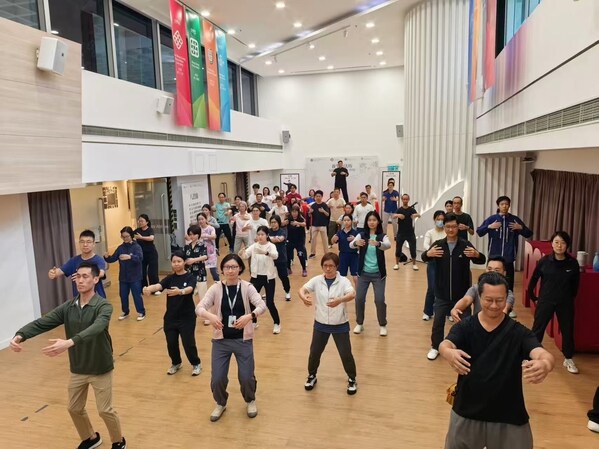
Close to 100 participants experience Taichi and Qigong

HONG KONG, May 18, 2026 /PRNewswire/ — The Research Centre for Chinese Medicine Innovation (RCMI) of The Hong Kong Polytechnic University (PolyU) hosted the “Symposium on Martial Arts: Bridging Art and Science” and two “Health Cultivation Workshops” on 8 and 9 May. The events aimed to advance research and application in Chinese medicine, while also fostering academic exchange and practical engagement.


They gathered leading academics, clinicians, and researchers from around the world to underscore the growing integration of these ancient mind-body practices into contemporary medical frameworks.

On 8 May, the International Martial Arts Symposium gathered leading scholars from around the world, including Prof. Gloria YEH from Harvard Medical School Teaching Hospital, USA; Prof. Chenchen WANG from Tufts University School of Medicine, USA; Prof. Parco SIU from Hong Kong University (HKU) Li Ka Shing Faculty of Medicine; Prof. Denise CHEUNG from HKU School of Nursing, and professors from the PolyU Faculty of Health and Social Sciences. Through cross-disciplinary dialogue, participants explored evidence-based topics that included “Tai Chi & Qigong: Ancient wisdom meets modern science,” “Physical activity and whole-person health,” “Body embodiment: Reclaiming the mind-body connection,” and “Emerging health evidence: Insights from clinical trials.”

The Symposium successfully bridged Eastern traditions and Western scientific research, fostering innovation, collaboration, and transformational outcomes to unlock new directions for future health.

On 9 May, the Health Cultivation Workshops featured Master CHEN Erhu, a 12th-generation inheritor of Chen-style Tai Chi from Chenjiagou, Henan, and Prof. Lixing LAO, President of Virginia University of Integrative Medicine and Co-Chair of the U.S. Alliance of Chinese Medicine for Wildlife Protection. Master Chen, recognised as one of the “Eight Kings of Chenjiagou Tai Chi” and a national intangible cultural heritage inheritor, guided participants in Zhan Zhuang (standing meditation), emphasising its benefits for strength, balance, posture, sleep quality, and circulation. Prof. Lao, with over 40 years of clinical and research experience and more than 330 SCI publications, led a 90-minute beginner-friendly Ba Duan Jin (Eight Brocades) workshop.

Through dynamic, hands-on practice, participants experienced stretching and breathing techniques that regulate the autonomic nervous system, unblock meridians, reduce stress, and enhance sleep quality.

The Symposium and Workshops integrated academic research with practical application, allowing participants to experience the self-healing power of Chinese medicine and bringing traditional wisdom into modern life.

About The Hong Kong Polytechnic University (PolyU)

The Hong Kong Polytechnic University (PolyU) aspires to be an innovative world-class university that pursues excellence in education, research and knowledge transfer for the benefit of Hong Kong SAR, the Nation, and the world. Driven by its motto, “To learn and to apply, for the benefit of mankind”, the University nurtures socially responsible professionals and leaders with a strong sense of national pride and a global perspective, and pursues world-leading research and innovation for societal benefits. The University’s unwavering commitment to excellence has garnered international acclaim, with PolyU ranking 54th in the QS World University Rankings 2026. Five subjects were placed within the top 30 in the QS World University Rankings by Subject 2026. Furthermore, Hospitality & Leisure Management, Civil & Structural Engineering, Art & Design and Environmental Sciences were ranked first in Hong Kong. PolyU also strives to foster a University community in which all members are united with a strong sense of belonging and pride, empowering the University to scale new heights.

About the Research Centre for Chinese Medicine Innovation (RCMI), PolyU

The Research Centre for Chinese Medicine Innovation of The Hong Kong Polytechnic University focuses on research and practical applications of Chinese medicine. Guided by its mission to establish itself as an authoritative institution, the Centre advances high-impact, evidence-based research to further elucidate the principles of Chinese medicine.  

It also promotes interdisciplinary collaboration and research, nurtures emerging talent through regional platforms and emphasises the advancement of Chinese medicine within primary healthcare. Through comprehensive support for Chinese medicine initiatives, the Centre helps promote public health and well-being.

Source: The Research Centre for Chinese Medicine Innovation of The Hong Kong Polytechnic University

Source