
Friday, June 12, 2026
Google search engine
Home Blog Page 20

Agoda Unveils Asia’s Top Foodie Travelers: South Korea Ranks 3rd

0

– Seasonal local specialties drive increase in domestic accommodation searches to
Changwon, Seocheon, Gwangyang, Jindo, and Nonsan

SEOUL, May 11, 2026 /PRNewswire/ — Food is increasingly taking center stage as a primary reason for travel, with more Asian travelers eager to explore destinations that offer unforgettable culinary experiences. Reflecting this shift, digital travel platform Agoda unveiled its ranking of Asian travelers that are most passionate about culinary experiences during their travels.

The findings, derived from a survey of Asian travelers as part of Agoda’s 2026 Travel Outlook Report, reveal that South Korea ranks third among eight markets, with 34% of respondents identifying food as a key reason for travel, surpassing the regional average of 31%.

Topping the list are travelers from Taiwan region, where 47% cite gastronomy as a major travel driver. They are followed by Vietnam (35%), South Korea (34%), Malaysia (33%), Japan (32%), Indonesia (31%), Thailand (20%), and India (8%), rounding out the top eight most flavor-forward markets.

South Korea, in particular, is renowned for its rich variety of seasonal ingredients, each tied to specific regions and harvest periods. This has fueled a growing trend among travelers of all ages to explore springtime delicacies across the country.

Based on accommodation searches made by South Korean travelers on Agoda between January and March 2026, Changwon recorded a 34% year-on-year increase in searches. The city is widely known for its styela clava, which is at its peak between March and May, and accounts for approximately 70% of domestic production. A staple of spring ingredients, it is commonly enjoyed raw, steamed, or served in stews.

Agoda reports that Seocheon, renowned for its webfood octopus, also saw a 30% rise in search volume. Prized for its chewy yet tender texture, it is frequently featured in hot pots and spicy stir-fried dishes. At its best taste in March and April, the city recently hosted “Seocheon Camellia & Webfoot Octopus Festival,” from March 21 to April 5. The event featured various programs, including an octopus culinary market, children’s octopus fishing, etc.

Gwangyang, known for corbicula, a local specialty often prepared as sashimi or in hearty soups, also experienced a 28% increase in searches. Additionally, Jindo saw a 23% rise in travel interest, likely fueled by its spring crab, which is enjoyed in diverse preparations such as steaming, soy sauce marination, and salads. Anticipation for the upcoming “Jindo Crab Festival,” taking place from May 1 to May 3, could play a role in further boosting travel demand, with domestic searches increasing by 357%.

Nonsan, the country’s largest strawberry-producing region, recorded an 18% increase in search volume. The “Nonsan Strawberry Festival,” held from March 26 to 29, drew approximately 670,000 visitors and generated sales of 150 tons of strawberries, according to the city government during its April monthly meeting.

Jay Lee, Regional Director, North Asia at Agoda, said “Today’s travelers are increasingly eager to engage with the local food culture of the destinations they visit. From Changwon’s styela clava dishes to Nonsan’s strawberry-based desserts, South Korea offers a wide range of seasonal culinary experiences. We remain committed to helping travelers discover authentic regional flavors around the world, supported by competitive value across flights, accommodations, and activities.”

For those seeking out their next culinary adventure, Agoda offers over 300,000 activities, more than 6 million holiday properties, and over 130,000 flight routes, all of which can be combined in the same booking. Discover the best deals on Agoda’s mobile app and start planning your next foodie getaway today.

— ENDS —
Source

Strait of Malacca: The critical trade route you’ve never heard of

0

If you’ve been following the news, then you’ll be very familiar with the Strait of Hormuz.

The narrow body of water that separates the Persian Gulf and the Gulf of Oman has been at the centre of blockades and negotiations amid the ongoing Middle East war.

But there’s another strait which, if closed, would have a far larger impact on Australia than Hormuz.

Know the news with the 7NEWS app: Download today Arrow

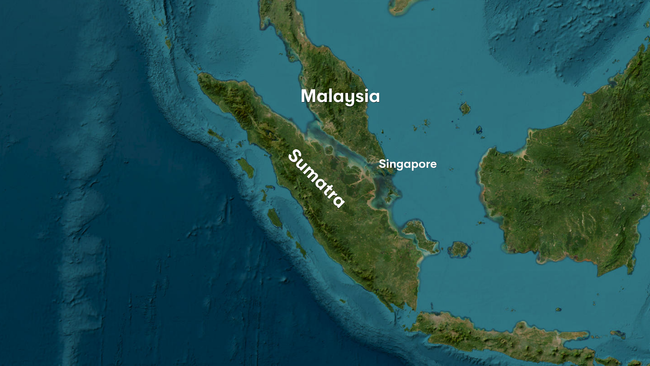
The Strait of Malacca is a roughly 900km-long shipping lane that sits between the Malay peninsula in the north, and the Indonesian island of Sumatra in the south.

It is just 2.8km wide at its narrowest point, compared with Hormuz’ 39km wide chokepoint.

Why is it so important?

The Malacca Strait is the shortest sea route between the Indian and the Pacific Oceans, making it the default trade corridor between east Asia and western countries.

Malacca is also the primary route for Middle Eastern energy supplies — primarily much lauded oil — to reach the powerful northeast Asian economies such as China, Japan and South Korea.

The Strait carries nearly 24 per cent of global seaborne trade by volume through its protective walls, according to a UN report.

The Strait of Malacca.
The Strait of Malacca. Credit: Scribble Maps

That includes 45 per cent of the world’s seaborne oil, more than 25 per cent of all cars traded internationally and 23 per cent of dry bulk cargo such as grains and soybeans.

The Malacca Strait directly services Singapore, the second busiest container port in the world after Shanghai, which sits at the eastern end of the strait.

Singapore is also the world’s largest trans-shipment port, responsible for redistributing cargo between ships and linking about 600 ports around the world.

Why are people talking about it?

Indonesia’s Finance Minister Purbaya Yudhi Sadewa made headlines in late April when he suggested a toll for ships travelling through the Strait of Malacca, similar to Iran’s control over the Strait of Hormuz.

“Iran is now planning to charge ships passing through the Strait of Hormuz,” he said.

“If we split it three ways — Indonesia, Malaysia, and Singapore — it could be quite substantial.”

Indonesia’s Finance Minister Purbaya Yudhi Sadewa.
Indonesia’s Finance Minister Purbaya Yudhi Sadewa. Credit: Indonesia Investment Authority

He quickly clarified his statement was a joke, given a toll such as that is not allowed under international law.

“If only it could be like that. But it is not like that,” Prubaya said.

Singapore’s Foreign Affairs Minister Dr Vivian Balakrishnan had already ruled out any would-be toll on the strait, saying: “The right of transit passage is guaranteed for everyone.

“We will not participate in any attempts to close or interdict or to impose tolls in our neighbourhood.”

Despite no move to close or toll the Strait of Malacca, it does beg the question: What would happen to global trade if it were closed?

The importance of the Strait

Looking at the Strait of Malacca on a map, you’d be forgiven for thinking it would be fairly inconsequential if it were to close.

Unlike the Strait of Hormuz, which is the only sea route from the Persian Gulf into the Gulf of Oman, there are multiple other channels leading from the Indian Ocean to the Pacific Ocean and northeast Asian countries.

The next fastest route from the Indian Ocean is under Sumatra and through either the Lombok or Sunda Straits.

However, this journey would add an extra 1800km — roughly three days to five days of travel — to a ship’s journey, increasing costs significantly and depriving the ship access to Singapore’s port, which acts as a critical safe harbour and refuelling station.

Thus is the importance of the Malacca Strait emphasised.

Dr Euan Graham.
Dr Euan Graham. Credit: National Security College

If the Strait of Malacca were to be closed, it would be detrimental to Australia and other Asia-Pacific nations, according to Australian Strategic Policy Institute senior fellow Dr Euan Graham.

“In the worst-case scenario, if shipping were to be blocked, it would have a very significant affect on many countries — not just China, Japan, South Korea. Australia would be negatively impacted,” he said.

“It has a ripple effect that would run worldwide.”

China is very aware of the strategic importance of the Strait of Malacca.

In 2003, then Chinese president Hu Jintao used the phrase “Malacca Dilemma” to describe the risk of purely relying on the strait for trade.

Almost 80 per cent of China’s imported oil travels through the Strait of Malacca, meaning if it were blocked or tolled, it could have serious consequences for the nation’s economy.

China has invested heavily in establishing alternative supply routes, including through pipelines such as the Eastern Siberian-Pacific Ocean pipeline from Russia, however more than 50 per cent of its oil supply still comes from the Middle East.

Is the Strait of Malacca ever likely to be closed?

Closing or tolling the strait is illegal under international law, meaning Indonesia, Malaysia and Singapore are obligated to keep it open.

So, its possible closure is unlikely.

The Strait of Malacca.
The Strait of Malacca. Credit: stock.adobe.com

However, Graham says the ongoing blockade in the Strait of Hormuz highlights Malacca’s importance and Australia’s vulnerability if it were to be closed.

“To state the obvious, Australia is an island before it’s a continent,” he said.

“We, more than most countries, are dependent both on the sea for exporting our mineral wealth but also we’ve had a wake-up call that we depend on it for our fuel.”

Graham says several major events in the past few years have emphasised the fragility of the maritime infrastructure that Australia and the world rely on for everything.

“COVID was the first rehearsal. This Iran war is the second rehearsal,” he said.

“I believe it’s kind of getting us ready for a more serious scenario in this region, in which case, if we do have a large-scale maritime conflict then choke points such as the Malacca Strait will be a focus for military strategy again.”

Source

Study pinpoints 45 years as the critical threshold for a significant downturn in male fertility

0

BEIJING, May 10, 2026 /PRNewswire/ — Forty-five years has been identified as the critical age threshold at which elevated sperm DNA fragmentation significantly reduces fertility potential in men.

High levels of DNA fragmentation, defined as a breakdown of genetic material inside sperm cells, make it harder for sperm to fertilise an egg with other potential adverse outcomes including impaired embryo development and higher miscarriage rates.

Advanced age is an established risk factor for elevated sperm DNA fragmentation with existing studies suggesting a gradual rise as men get older, but the specific age at which it exceeds the clinical brink has been poorly defined.

However, new research presented at the 2026 Congress of the Asia Pacific Initiative on Reproduction (ASPIRE) in Beijing has revealed the age group in which the high-risk threshold is crossed.

Clinical embryologist Ms Yixin Seow said 45 to 49-year-old men had been identified as the age group when a significant rise in sperm DNA fragmentation occurs compared to all younger cohorts.

Her research team conducted a retrospective analysis of sperm DNA fragmentation records at a major Malaysian fertility centre with 249 subjects stratified into five age groups from 30 years to 50-plus years.

“The outcome confirmed gradual increases in DNA fragmentation across the age groups, but most noticeably from age 45, after which it plateaus with minimal further increase in men over the age of 50,” Ms Seow said.

“While larger prospective studies are warranted, our research has clearly shown the age group where there is marked downturn in fertility potential.

“We recommend counselling of patients participating in assisted reproductive technology about the potential impact of advancing male age on likely success of conception and ongoing pregnancy

“Additionally, men aged 45-plus should consider sperm DNA fragmentation testing.”

Infertility affects one in every six couples around the world. It is defined as the failure to conceive after a year of unprotected intercourse, or the inability to carry pregnancies to a live birth. The causes of infertility are equally shared between male and female partners.

The ASPIRE Congress at the China National Convention Centre in Beijing has attracted almost 3,000 scientists, clinicians, nurses and counsellors specialising in assisted reproduction.

It has cast a global spotlight on fertility health in the Asia Pacific region which, like other parts of the world, is experiencing a disturbing downturn in fertility rates.

ASPIRE is a unique Asia Pacific taskforce of specialists in the management of fertility and assisted reproductive technology, and it is dedicated to advancing access to quality treatment for those experiencing infertility across the region.

For further information on the ASPIRE 2026 Congress, go to https://www.aspire2026.com

Source

Emotional burden of infertility can undermine lifestyle choices that may help women conceive

0

BEIJING, May 10, 2026 /PRNewswire/ — The emotional burden of infertility actively undermines the capacity of many women to make sustained lifestyle changes, including weight loss and physical activity, that can improve their chances of becoming pregnant.

A global conference on assisted reproduction in Beijing heard today that the gap between lifestyle recommendations and action among women suffering the emotional stress of infertility was not a matter of willpower, rather a matter of psychology.

Infertility affects one in every six couples worldwide with the causes equally shared between men and women. Professor Anuja Dokras, an internationally renowned researcher and patient advocate in fertility health, said up to 60 per cent of affected women experience mental health challenges including anger, sadness, isolation, shame and guilt.

“Yet only about 20 per cent of them seek professional psychological support,” she told the 2026 Congress of the Asia Pacific Initiative on Reproduction (ASPIRE).

“Most of these women internalise blame for their inability to conceive and shame predicts emotional eating and health care avoidance.

“Women seeking fertility treatment show significantly higher levels of anxiety, depression and psychiatric disorders than men, and the severity of these conditions is influenced by the cause and duration of infertility, the treatment type and number of failed IVF cycles.”

Professor Dokras is the Executive Director of the Women’s Health Centre for Clinical Innovation and the Founder’s Professor of Women’s Health in the Department of Obstetrics and Gynaecology at the University of Pennsylvania, Philadelphia. She is also the Director of the PENN Polycystic Ovary Syndrome (PCOS) Centre and specialises in understanding cardiometabolic risk and mental health co-morbidities associated with PCOS.

Professor Dokras said women who were obese or living with metabolic disorders associated with PCOS had significantly lower chances of conceiving than their healthy counterparts.

“In women with PCOS visible symptoms, including hirsutism and weight gain, intensify the dynamics of weight stigma with increased prevalence of disordered eating, anxiety and depression.

“Critically, the clinical encounter itself can reinforce barriers when lifestyle advice is delivered through a weight-centric lens without psychological scaffolding.

“A weight-centric consultation approach is perceived as stigmatising and counterproductive. Clinicians should speak the language of self-care, not weight targets.”

Professor Dokras said evidence-based, integrated lifestyle and psychological support was vital in helping women to overcome barriers to better outcomes in fertility treatment.

“Evidence from randomised controlled trials supports the integration of cognitive behavioural therapy and mindfulness-based interventions alongside lifestyle programs,” she explained.

“They demonstrate significant reductions in depression, anxiety and infertility-specific distress as well as improved quality of life.

“Effective support requires reframing lifestyle change as self-care, screening routinely for psychological distress throughout the treatment cycle, avoiding stigmatising language, and embedding mental health provision within fertility services as standard practice.”

Around 3,000 specialists in fertility health – including scientists, clinicians, nurses and counsellors – are attending the ASPIRE Congress at the China National Convention Centre in Beijing.

For further information, go to https://www.aspire2026.com

Source

Frontier jet strikes, kills person on Denver airport runway during takeoff after security breach

0

NEWYou can now listen to Fox News articles!

A Frontier Airlines jet struck and killed a person who was walking on the runway at Denver International Airport late Friday night, according to a statement from the airport.

“Frontier Flight 4345 reported striking a pedestrian during takeoff at DEN at approximately 11:19 p.m. on Friday, May 8, 2026. There was a brief engine fire that was promptly extinguished by the Denver Fire Dept.,” the airport wrote in a post on X.

“Emergency crews responded to the scene and bussed passengers to the terminal. 231 souls were on board. Emergency response and investigation are ongoing. The NTSB has been notified. Runway 17L will remain closed while the investigation is conducted,” the statement concluded.

STUNNING VACATION HOT SPOT TURNS INTO OVERCROWDED NIGHTMARE AS TOURISTS FLOOD STREETS

The airport confirmed to Fox News that the person is deceased.

The person struck breached airport security Friday night to scale a perimeter fence and dash out onto the runway, Transportation Secretary Sean Duffy said in a Saturday morning statement.

Sean Duffy speaking at a news conference at Philadelphia International Airport

Transportation Secretary Sean Duffy speaks during a news conference at Philadelphia International Airport in Philadelphia, Pa., on Oct. 24, 2025. (Ryan Collerd/Bloomberg)

“The trespasser on the runway was then struck by Frontier Airlines Flight 4345 during takeoff at high speed. The pilot stopped takeoff procedures immediately,” Duffy wrote in a post on X.

“The Frontier plane was then quickly evacuated while law enforcement and firefighters responded. Preliminary reports are 12 people were hurt, with 5 taken to the hospital. Local law enforcement handles airport security and is investigating with support from the FAA and TSA. No one should EVER trespass on an airport,” Duffy concluded.

Denver International Airport indicated in a graphic shared with Fox News Digital precisely where the breach occurred. 

A map of Denver Airport

A map of Denver International Airport with a purple dot indicating where a Friday night security breach took place. 5/8/2026. (Denver International Aiport)

“As far as security protocols, our security teams and Denver Police regularly patrol the perimeter of the airport. The person scaled the barbed-wire fence and was hit within two minutes,” a Denver Airport spokesperson told Fox News Digital. 

CLICK HERE TO SIGN UP FOR OUR LIFESTYLE NEWSLETTER

Denver International Airport later posted an update to X saying it “has examined the fenceline and found it to be intact.”

“We are extremely saddened by this incident and express our sympathies to those involved,” it added.

The person killed was struck and “at least partially consumed” by one of the plane’s engines, ABC News reported.

Frontier Airlines is conducting an investigation, the company told Fox News Digital in a statement.

Frontier Airlines Airbus A319 aircraft approaching runway for landing at Los Angeles International Airport

A Frontier Airlines Airbus A319 approaches the runway for landing at Los Angeles International Airport in Los Angeles, Calif., on June 7, 2008. (iStock)

Audio from the incident captures the moment the plane and person collided.

“We just hit somebody, we have an engine fire,” the pilot told an air traffic controller, according to audio from the ATC app.

“There was an individual walking across the runway,” the pilot told the ATC.

A Frontier Airlines flight taxis at Denver International Airport with the Colorado Rocky Mountains in the background

A Frontier Airlines Airbus A320 neo plane, owned by the Bank of Utah Trustee, taxis to a gate at Denver International Airport (DEN) on March 23, 2026, in Denver, Colorado. (Al Drago/Getty Images)

A witness described to CBS the moment the collision occurred.

“We were already taking off, and we’re going pretty fast, and I felt like the plane started to tilt up when out of nowhere, it just — we felt like a thud and heard, like, an explosion,” Jose Cervantes told CBS News.

CLICK HERE TO DOWNLOAD THE FOX NEWS APP

“I was right on the wing, so I looked to my right and I just see, like, the right wing just on fire and it, like — it’s exploding, and it sounds, like, horrible, you know — and right away they shut the aircraft off,” Cervantes said. 

“Well, when that happened, the aircraft lands back down and starts to swivel from side to side, then they shut it down right away. And then the cabin starts to fill with smoke, and that’s when they started evacuating everyone.”

CLICK HERE FOR MORE LIFESTYLE STORIES

Fox News Digital contacted Frontier, the FAA, the DOT, the NTSB and Denver Airport for comment.

Fox News’ Madeleine Rivera contributed to this report.

Source

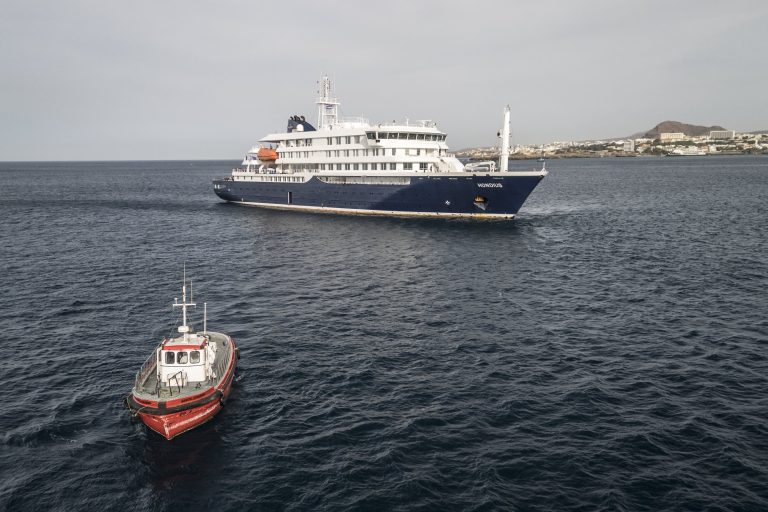
MV Hondius hantavirus outbreak: A luxury expedition cruise boom and new world of remote travel risks

0

Remote expedition cruises to places like Antarctica and the Arctic are booming as affluent travelers increasingly seek out isolated, experience-driven destinations far from traditional tourism infrastructure.

The global cruise industry serviced a record 37.2 million passengers in 2025, up 7.5% from 2024, according to Cruise Lines International Association, with passenger volume expected to approach 42 million by 2028. Within that growth, expedition cruising has emerged as one of the industry’s hottest segments.

Ritu Panesar, founder and president of luxury travel company Travelpod, said her clients routinely spend between $30,000 and $50,000 per person on remote expedition itineraries, often booked months or even years in advance. “People are looking for experiences that feel transformative and rare,” Panesar said. “They want access to destinations that still feel untouched.”

Interest in Antarctica trips was up 34% year-over-year through the first four months of 2026, according to Jacqueline Mondelli, chief marketing officer at travel insurance marketplace Squaremouth, reflecting continued demand for high-end expedition travel despite rising costs and growing awareness of the logistical and medical risks tied to remote travel.

Travel risk experts and insurers told CNBC the deadly hantavirus outbreak aboard the expedition vessel MV Hondius is not likely to dent the appeal of remote expeditions. Even if it did, they say it would be difficult to assess right now as many high-end expedition itineraries are booked far in advance. But experts do say that as more travelers book trips within this cruise market niche, they have become more aware of the challenges that can emerge when emergencies unfold far from advanced medical care.

“People pursue these trips because the remoteness is part of the appeal,” said Sahara Rose DeVore, founder of the Travel Coach Network, who has traveled to more than 80 countries, many in remote locations. “Travelers understand there are uncertainties involved in expedition travel, but highly sought-after destinations like Antarctica draw strong demand despite those risks.”

Evacuation logistics, onboard medical capabilities, and contingency planning are issues that travelers should research before venturing into remote regions. Expedition travel protection policies often include emergency medical coverage, medical evacuation, trip interruption protection, and coordination services designed to transport travelers from remote regions to advanced medical facilities if a serious emergency occurs.

Rick Bagnall, vice president at travel insurance brokerage Brown & Brown, said it has not seen a meaningful uptick specifically tied to the MV Hondius situation. “Interest in evacuation tends to rise more from overall travel uncertainty than any one incident,” he said.

Travelers are ‘more risk-conscious than ever’

Dan Richards, CEO of Global Rescue, a travel risk-management company that provides medical evacuation, field rescue, security extraction, and crisis-response services for travelers in remote or high-risk locations around the world, said that, in general, travelers are more focused on risk prevention for these types of trips.

“People are more risk-conscious today than ever. I wouldn’t necessarily call it risk aversion, but they are looking for a plan B,” he said.

Global Rescue reported a 30% increase in security membership purchases so far this year compared with the same period in 2025 as travelers increasingly seek evacuation and crisis-response support before remote trips.

Maritime evacuations remain among the most difficult rescue operations because helicopters have limited offshore range and many expedition vessels lack helipads entirely. “If something happens on the open ocean and you are more than about 150 miles from land, there’s not a lot anybody can do,” Richards said.

Global Rescue handles roughly 100,000 assistance calls annually, with about 3,000 escalating into active rescue or evacuation operations. “We’ve done missions at sea where we orchestrate handoffs between vessels,” Richards said. “Those are difficult logistical challenges.”

In one recent case, Richards said the company coordinated a medical evacuation from a remote island near Tahiti after a traveler aboard a vessel developed a life-threatening condition requiring emergency treatment.

Cruise industry groups say the sector remains resilient and medically prepared. “The global cruise industry maintains comprehensive health, sanitation, and medical protocols designed to protect the health and well-being of passengers and crew,” said Sally Andrews, vice president of communications for Cruise Lines International Association, in a statement to CNBC.

Insurance policies and remote environments

Travel insurance and evacuation specialists told CNBC many travelers underestimate how limited medical infrastructure can become once ships move far from major ports and hospitals.

Bagnall said many travelers focus on whether they have insurance coverage without fully understanding how difficult evacuation logistics can become in remote environments, mistakenly assuming standard travel policies automatically provide robust evacuation support.

“Travel insurance is not a commodity,” Bagnall said. “The difference between ‘coverage exists’ and ‘help arrives fast’ tends to show up on expedition itineraries. In serious remote situations, medical and evacuation costs can easily reach six figures and exceed $250,000 depending on distance, required air assets, and medical complexity,” he said.

“In our experience, most travelers significantly underestimate both the likelihood and the cost of a serious medical event when traveling,” Mondelli said. “Traditional cruises typically have consistent access to ports, medical facilities, and Coast Guard support. By contrast, expedition cruises operate in a remote, unpredictable environment where the nearest facility may be days away,” she added.

Mondelli said Antarctica trips insured through Squaremouth averaged roughly $28,750 in total trip cost, and travelers heading to Antarctica are placing greater emphasis on medical evacuation protection, with $500,000 evacuation limits among the most commonly purchased coverage levels for those trips.

She added that purchases of “Cancel for Any Reason” and “Interruption for Any Reason” travel protection upgrades nearly doubled from 10% during the first four months of 2025 to 19% during the same period in 2026.

The MV Hondius, according to recent reporting, has a reputation among travelers for attention to detail and risk management. But travelers heading out on an expedition cruise should not assume the premium price tag attached to expedition cruises also guarantees premium emergency infrastructure, said maritime attorney Jason Margulies of Lipcon, Margulies & Winkleman. “What they actually get is a cruise that has a lot of risky activity in remote areas without easy access to medical care,” he said.

Source

AFL explains why Port Adelaide superstar Zak Butters avoided sanction for big bump

0

Port Adelaide superstar Zak Butters has avoided a suspension and adding to his record fines collection, keeping him in Brownlow Medal contention.

Butters collided with Western Bulldogs midfielder Joel Freijah in the final quarter of the Power’s thrilling two-point defeat at Adelaide Oval on Friday night.

The highly-sought after free agent who is in the sights of the Bulldogs elected to bump, but Freijah got up and played out the match.

Know the news with the 7NEWS app: Download today Arrow

Match review officer Michael Christian cleared Butters of any wrongdoing.

“Freijah gets hands to a high handball that goes over his head whilst Butters approaches from side on,” Christian wrote in a statement..

“As Freijah lands, Butters elects to bump, making body contact with Freijah.

“Based on all available evidence, it was the view of the MRO that any high contact to Freijah was negligible and as a result, Butters’ actions did not constitute a reportable offence.”

Bulldogs star Ed Richards was fined for making careless contact with an umpire in the only reportable incident from that match.

In the other Friday night contest, Brisbane Lions pair Levi Ashcroft and Conor McKenna received fines, while Carlton ace Sam Walsh was penalised $1500 for striking Ashcroft.

Source

South and East Asia identified as hotspots of global warming related impacts on male fertility

0

BEIJING, May 9, 2026 /PRNewswire/ — A major new study has shown that South and East Asia dominate patterns of global warming related decline in male fertility with the strongest and most consistent evidence coming from India, Pakistan and the southern parts of China.

The effects of increased environmental temperatures on male reproductive health include declining sperm concentration and motility and increased sperm DNA fragmentation, or genetic damage that can hinder fertilisation and embryo development.

Male related factors account for around 50 per cent of infertility cases around the world and the impact of rising ambient heat on semen parameters raises serious implications across wide areas of Asia where total fertility rates are in serious decline.

Outcomes of the study undertaken by the Taiwan IVF Group and Ton Yen General Hospital, Taiwan (China) in collaboration with Stanford University (USA) are being presented at the 2026 Congress of the Asia Pacific Initiative on Reproduction (ASPIRE) in Beijing.

Research principal and Adjunct Clinical Assistant Professor at Stanford University, Dr Jack Yu Jen Huang, MD, PhD, FACOG said: “Given the temperature sensitivity of spermatogenesis, even modest increases in ambient temperature could have cumulative, population-level effects over time.

“As global warming accelerates, male reproductive health may represent an emerging climate sensitive public health concern.”

The testes function optimally at temperatures lower than the internal body heat level, and previous studies have shown elevated scrotal or ambient temperatures can impair sperm production.

The latest research explored global patterns to reveal comparative data across regions. It is based on a systematic review of international studies on temperature exposure and semen parameter trends between 2000 and 2024. Artificial intelligence algorithms and machine learning tools were applied to extract key variables including geographic regions and semen outcomes.

Dr Huang said studies examining occupational heat exposure alone were excluded from the analysis as they reflected localised, job-specific conditions rather than broader climatic trends.

“Our findings therefore represent population level climate associated temperature effects including consistent seasonal variations showing poor semen quality parameters in warmer periods.”

The global patterns on temperature associated lower sperm concentration and motility show South and East Asia as major hot spots of concern followed by the Middle East, Europe and North America.

“South and East Asia are likely more affected due to a combination of factors including higher baseline ambient temperatures and rapid urbanisation that contribute to greater cumulative heat stress on spermatogenesis,” Dr Huang explained.

“With ongoing global warming, chronic heat exposure may increasingly impact male reproductive health.”

Dr Huang said potential approaches to address the issue include:

  • increasing public awareness of heat exposure and reproductive health;
  • encouraging protective behaviours;
  • expanding research integrating climate and reproductive health data; and
  • exploring clinical and lifestyle interventions to mitigate heat-related effects.

The research team was assisted by research intern Jeffrey Zi Kang Huang from Taipei American School, particularly in the application of artificial intelligence in biomedical research including AI-assisted data analysis and pattern recognition across global datasets.

“Further longitudinal and mechanistic studies will be important to better define causality and guide interventions,” he added.

The ASPIRE Congress is being held at the China National Convention Centre in Beijing. More than 3,000 scientists, clinicians, nurses and counsellors in assisted reproduction from around the world are attending the Congress.

For further information, go to https://www.aspire2026.com

Source

Chinese Publishing Delegation Takes Center Stage at 2026 Buenos Aires International Book Fair

0

Books Link China and Latin America, Ushering in a New Chapter of Cultural Dialogue

BEIJING, May 9, 2026 /PRNewswire/ — On April 23, the 2026 Buenos Aires International Book Fair kicked off its 50th edition, a flagship event in the Spanish-speaking world gathering over 1,500 exhibitors from 40+ countries and regions.

Books Link China and Latin America, Ushering in a New Chapter of Cultural Dialogue

Organized by China National Publications Import and Export (Group) Co., Ltd., China’s leading publishers participated with engaging displays and events, becoming a standout highlight.

China Pavilion: A Cultural Gateway

Under the theme Reading China, the China pavilion sits in a prime spot, blending Eastern charm with modern design. It features 600+ titles and a special Sino-Argentine literary exhibition, drawing local readers and industry insiders. A reader from Córdoba, Argentina, told reporters at the pavilion: “China and Argentina are geographically distant, but both our literatures share profound themes of patriotism, family and friendship. I hope to read more works by Chinese writers.”

Diverse Cultural and Publishing Exchanges

The delegation hosted 11 events, including the Sino-Argentine Contemporary Literary Dialogue and industry cooperation seminars. Radina Dimitrova, renowned sinologist from the National Autonomous University of Mexico, noted that books serve as a timeless path of culture and ink bridging China and Argentina, highlighting the power of literary exchange to foster mutual understanding.

Paula Pampín, Editor-in-Chief of Argentina’s Ediciones Corregidor, emphasized that books should be regarded not merely as commercial commodities but as the most effective vehicle for cultural diplomacy. She stressed the value of direct Chinese-to-Latin American Spanish translation, avoiding filtered interpretations via European languages, and called for stable long-term cooperation such as joint publishing initiatives.

The events also covered university sessions, poetry sharing, copyright collaboration, co-publishing and overseas distribution. Delegates held in-depth B2B talks with representatives from CLACSO, the Peruvian cultural delegation and Argentine Book Chamber.

Heritage Demonstrations Captivate Fair-goers

An intangible cultural heritage event, showcasing paper-cutting, calligraphy and traditional performances, delighted visitors, forging warm cultural connections through interactive displays.

Growing Ties for Years to Come

Tailored for Spanish-speaking audiences, the exhibition highlighted diverse localized publications. Moving forward, Chinese publishers will deepen copyright cooperation, literary exchanges and academic ties with Latin America, strengthening cross-cultural bonds.

Source

Forum held in Athens to mark 20 years of China-Greece comprehensive strategic partnership

0

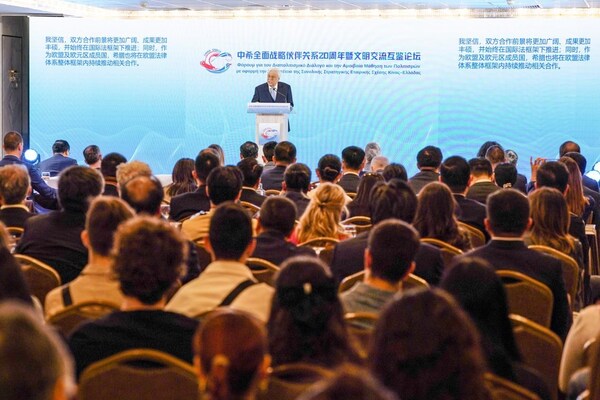
ATHENS, Greece, May 9, 2026 /PRNewswire/ — A forum on intercultural dialogue and mutual learning among civilizations to mark the 20th anniversary of the China-Greece comprehensive strategic partnership was held here on Thursday.

Former Greek President Prokopis Pavlopoulos speaks during a forum to mark the 20th anniversary of the China-Greece comprehensive strategic partnership in Athens, Greece, May 7, 2026. (Xinhua/Peng Ziyang)

The forum, themed “The Beauty of Harmony: Coexistence through Integration,” was jointly hosted by Xinhua News Agency, the Chinese Embassy in Greece and the Alliance for Cultural Heritage in Asia.

Speaking at the opening ceremony, Lyu Yansong, editor-in-chief of Xinhua News Agency, said that the China-Greece comprehensive strategic partnership has continued to deepen under the strategic guidance of the two heads of state. As China’s national news agency, Xinhua has always been committed to telling stories of practical and friendly cooperation as well as intercultural dialogue and mutual learning between the two civilizations.

At a critical crossroads concerning the future of humanity, Chinese President Xi Jinping has called for building a world where “the light of civilization illuminates the right path for human progress,” Lyu said.

Lyu said that as an important bridge for people-to-people communication and a vital force in promoting dialogue among civilizations, the media shoulders unique social responsibilities. Looking ahead, Xinhua is ready to work with Chinese and Greek partners to jointly uphold the vision of civilization based on equality, mutual learning, dialogue and inclusiveness, actively carry forward the common values of humanity, promote the building of a community with a shared future for humanity, and contribute to mutual learning among civilizations.

He noted that the Xinhua Institute, a think tank affiliated with Xinhua News Agency, on Thursday released a report titled “The Theory of Cultural Empowerment: China’s Cultural Consciousness in Marching Toward High-Quality Development.”

Former Greek President Prokopis Pavlopoulos said the anniversary marked an important milestone in Greece-China cooperation. The two sides have achieved fruitful results in trade, economic and investment cooperation, while further deepening a multidimensional partnership centered on civilizational exchange and dialogue, he said, adding that cooperation between the two sides has broad prospects.

Chinese Ambassador to Greece Fang Qiu said that looking ahead, China and Greece will strengthen strategic alignment, advance cooperation in such areas as digital infrastructure, green transition and smart manufacturing, continuously deepen mutual learning among civilizations and practical cooperation, and promote mutual empowerment in culture, trade and economy.

About 150 representatives from the two countries’ governments, media outlets, cultural institutions, research organizations and enterprises attended the forum.

Former Greek Foreign Minister George Katrougalos said the significance of the Greece-China comprehensive strategic partnership has become increasingly evident as the international order undergoes profound changes. The friendship between Greece and China has endured and grown stronger, while the China-proposed Belt and Road Initiative has brought tangible development benefits to Greece, he added.

Source