Thursday, June 25, 2026
Google search engine
Home Blog Page 382

Alcohol, red meat, sugar and soda are linked to poor health. But you don’t need to swear them off entirely.

0

There are some simple pleasures that are undeniable, like munching on crispy bacon, sipping a delicious cocktail or savoring a bowl of gourmet ice cream. But a growing body of research has found that many of these tasty treats aren’t so great for your health.

That poses a problem for many people who enjoy things like red and processed meat, alcohol, sugar and soda. But while research into the health impacts of having all of these things is ongoing, experts say you don’t need to swear them off entirely.

“You don’t have to rely on an all-or-nothing approach,” Leigh Frame, a nutritionist and associate director of the George Washington University Resiliency & Well-Being Center, tells Yahoo Life. “Focus on making mindful choices.”

If you want to enjoy these foods, but are still concerned about your health, there is a sweet spot to aim for to allow you to have it all, according to doctors and nutritionists.

Numerous studies over the last few years have linked red meat to serious health conditions, including type 2 diabetes, heart disease and several forms of cancer, including breast, lung and colon. Processed meats have been classified as a group 1 carcinogen by the World Health Organization (WHO), indicating that there is convincing evidence that they cause cancer.

It’s difficult to determine how much red and processed meat you can safely have. “Within the U.S. Dietary Guidelines for Americans, no specific amount or frequency of intake for red and processed meat consumption is established; however, selecting leaner cuts of meat versus fatty cuts and processed meats is discussed,” Candace Pumper, a dietitian at the Ohio State University Wexner Medical Center, tells Yahoo Life.

The World Cancer Research Fund and the American Institute for Cancer Research recommend having no more than 350-500 grams (or 12-18 ounces) in cooked weight of red meat per week, Pumper says. But for processed meats, it’s recommended that you have little, if any. However, the American Heart Association recommends a maximum consumption of 100 grams of processed meat per week, or about 13 grams per day — that’s just over one uncooked slice of bacon.

“There is no set amount of red or processed meat that is ‘safe,'” Dr. Danbee Kim, assistant professor in the department of surgery at Rutgers New Jersey Medical School, tells Yahoo Life. “Consuming a daily portion of less than two ounces per day — the equivalent of two slices of ham or bologna — is even considered too much by some experts.”

Dr. Bao-ngoc Nasri, a general surgeon at Rutgers University Hospital in New Jersey, recommends doing your best to fill your plate with fruits and vegetables, poultry, fish and plant-based options first, and just having red and processed meats here and there. “If included in your diet, it’s best to enjoy these meats occasionally and in small portions,” she tells Yahoo Life.

While the medical community has recommended moderation with alcohol for years, newer research suggests that it’s best to have as little as possible. Last year, the WHO concluded that alcohol is toxic and there is no safe amount you can drink when it comes to health. The National Cancer Institute (NCI) also warns that drinking raises the risk of developing several forms of cancer.

Cancer isn’t the only concern though. “Even moderate drinking is linked to cardiovascular problems and high blood pressure, making it important to consume alcohol in moderation, if at all,” Nasri says.

Currently, the Centers for Disease Control and Prevention recommends that women have one drink or less per day and that men have two drinks or less daily. “However, even moderate drinking carries some risks, so some health experts advise limiting alcohol further or abstaining altogether for optimal health,” Nasri says.

If you still want to have alcohol in your life, Frame suggests being conscious about it. “I recommend only having a drink when you actually want one — not just because it is a habit,” she says.

It’s important to point out that sugar can be naturally occurring or added. “Naturally occurring sugars are found in whole foods, such as fruit, vegetables and dairy products,” says Pumper. “Added sugars are added to foods and beverages during manufacturing, processing or preparation, or at the table.”

Naturally occurring sugar doesn’t raise any red flags because it doesn’t produce a rapid blood sugar spike, while added sugars do and should be eaten in moderation. Added sugar has been linked to a range of serious health complications, including heart disease, stroke, type 2 diabetes and non-alcoholic fatty liver disease.

The Dietary Guidelines for Americans recommends that people ages 2 and up have less than 10% of their total daily calories from added sugar. For a 2,000-calorie diet, that translates to having no more than 200 calories from added sugar or about 12 teaspoons. But Frame points out that the American Heart Association recommends limiting added sugar intake to 6 teaspoons per day for women and 9 teaspoons per day for men. “Checking nutrition labels can help keep your added sugar consumption within these limits, particularly when it comes to hidden sugars in processed foods,” she says.

A soda habit is associated with a higher risk of obesity and type 2 diabetes. But it’s important to point out that these are sugar-sweetened sodas, not unsweetened soda water. “Sodas typically have a large amount of sugar added to them,” Kim says, pointing out that a 20-ounce bottle of regular Coca-Cola has 65 grams of sugar, which is more than 13 teaspoons of sugar.

And unfortunately diet sodas come with their own downsides. “Diet sodas, while sugar-free, are still controversial due to potential links with metabolic disturbances including harm in the gut microbiome,” Frame says. Some of the artificial sweeteners found in diet sodas can change gut bacteria, which can lead to obesity, type 2 diabetes and cardiovascular disease.

As a result, Frame recommends having diet and sugar-sweetened sodas as little as possible. “If soda is part of your routine, limiting it to a rare indulgence — perhaps one can per week — can help minimize the associated health risks and make it feel more like a treat,” she says. “Water should be your primary beverage, along with low- or no-calorie beverages that are unsweetened.”

Overall, experts recommend just doing your best. “Building a healthy lifestyle, including natural movement throughout the day, stress management and restorative sleep, is essential to maintaining long-term health without feeling deprived,” Frame says. “Remember that this does not need to happen overnight. Every baby step in the right direction is beneficial.”


Source

Desay Battery Highlights Advanced Energy Solutions at RE+ 2024

0

ANAHEIM, Calif., Sept. 11, 2024 /PRNewswire/ — Desay Battery, a leading global provider of comprehensive energy storage solutions, proudly presents its latest innovations at the RE+ 2024, the largest clean energy event in North America held between September 9-12.


In the shift towards green energy, every detail matters. Desay Battery provides professional and reliable solutions to enhance efficiency and safety in energy storage projects. In June, Desay Battery launched the Active Safety Energy Storage Cell and System. This innovative system employs advanced sensors to monitor the pressure of each cell in real-time, analyzing battery health, predicting cell life accurately, and issuing early warnings of potential failures. By identifying and mitigating risks early at the single-cell level, the system enables prompt anomaly response, aiding users in making swift, informed maintenance decisions for long-term battery stability.

The exhibition showcases several high-quality, reliable products that have also been used in various projects, underscoring their dependability. The 314Ah LFP Cell offers a standard cycle life of up to 12,000 cycles at 25 degrees Celsius, providing high energy density and enhancing the economic benefits and longevity of energy storage systems. Additionally, Desay Battery presented its 100Ah and 280Ah LFP Cells. All three battery types have passed rigorous international certification tests, including GB/T36276, UL1973, IEC62619, UN38.3, RoHS, and UL9540A.

The exhibited 68Ah and 200Ah Sodium Cells offer high specific capacity and are well-suited for high altitude, low temperature, and FM energy storage scenarios, demonstrating Desay Battery’s technological innovation.

Desay Battery’s commercial and industrial energy storage cabinets, including the 215kWh and 344kWh C&l Outdoor Cabinets and the plug-in frame home energy storage, are versatile solutions for various applications such as distributed power generation, micro-grid energy storage, electric vehicle charging and storage, urban energy storage, and C&l energy storage stations. The plug-in frame cabinet offers 30kWh, 50kWh, and 100kWh capacities, allowing flexible configurations to meet diverse customer needs and simplifying installation and disassembly.

Desay Battery has also spotlighted its 5MWh Utility ESS, which features high integration, high efficiency, and high safety. Its AB box design saves 43% of floor space, with the 20-foot standard container design meeting global maritime shipping standards.

At RE+ 2024, Desay Battery discusses industry trends and explores cooperative opportunities with global partners. Visit booth NORTH HALL 200#93010 to discover the company’s technical expertise and R&D capabilities.

For business inquiries, please contact info_ess@desay.com

For more information, please visit http://desayest.com/eindex.html.

Source: HUIZHOU DESAY BATTERY CO.,LTD.

Source

From a car tire to a Rolex and more, the most bizarre items left in hotel rooms

0

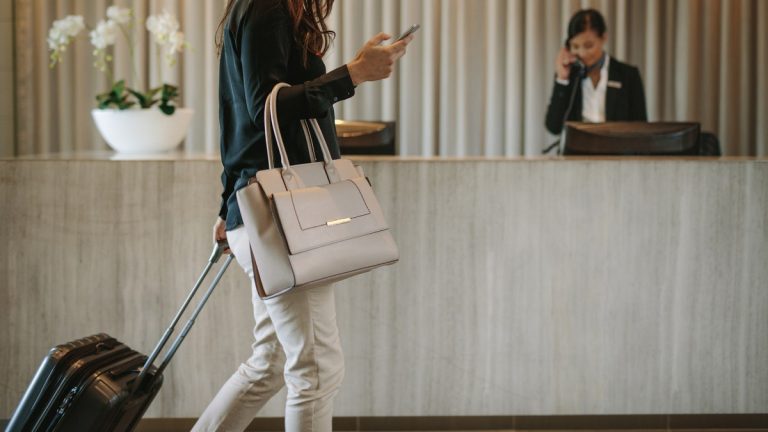
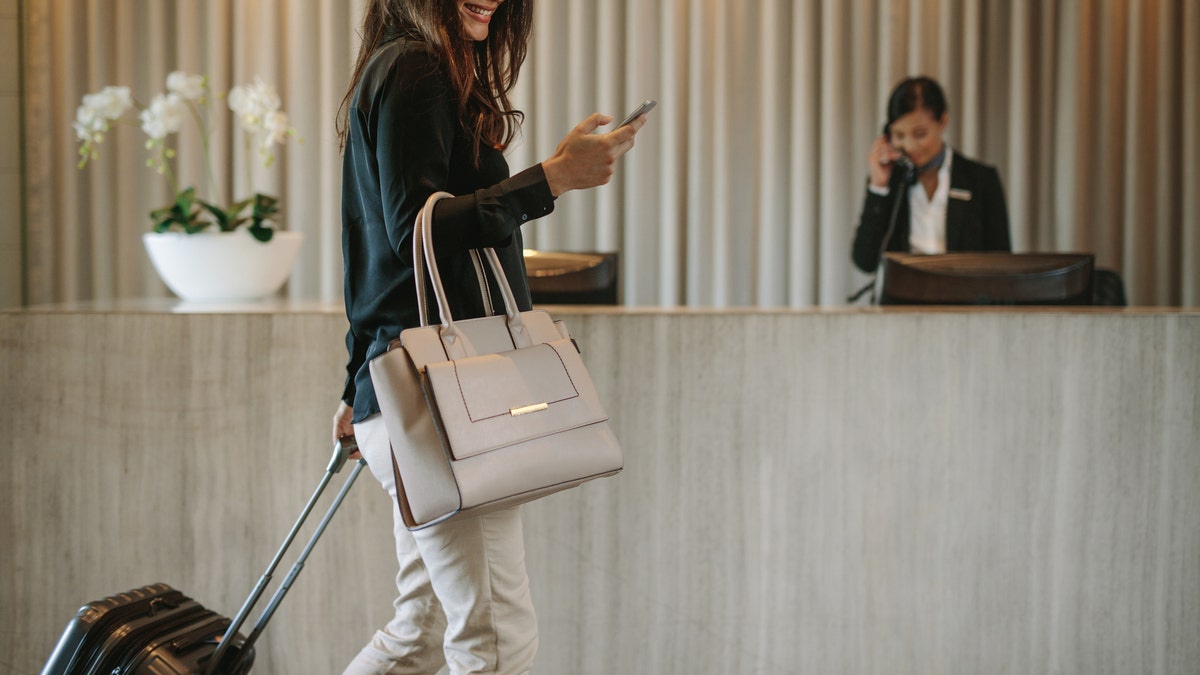
Hotels.com has released a “Hotel Room Innsights Report” that reveals the most common and surprising items left behind by travelers. 

The company, based in Dallas, Texas, gathered information from more than 400 of their partner hotels worldwide.

Some of the most bizarre items left behind are a pet lizard, a chicken, a $6 million watch and a car tire.

TRAVEL THE NFL: BEST AND WORST TAILGATING CITIES FOR YOUR WALLET

The priciest items forgotten by visitors are a Birkin bag and a Rolex.

PERSON HOTEL

Hotels.com has released a “Hotel Room Innsights Report” that reveals the most common and surprising items left behind by travelers. (jacoblund)

Ten percent of hotels reported that guests left behind their dentures, according to the report.  

For more Lifestyle articles, visit foxnews.com/lifestyle

“Despite efforts like ‘lost and found’ boxes, some hotel staff have gone to the extreme to reunite guests with their possessions,” said the report.

Hotels.com dubbed some workers “hotel hero[es]” with one driving 100 miles to return a passport, another running several blocks to deliver items before a cruise ship departed and one shopping to replace a lost teddy bear for a young traveler. 

HOTEL CLEANING

Hotels.com surveyed more than 400 of their hotel partners to create a report on some of the most common or bizarre items left behind by hotel guests. (andresr)

The oddest room service requests consisted of an Evian-filled bathtub, 4 pounds of bananas and a caviar hot dog.

“At Hotels.com we know hotels inside and out – it’s in our name. By asking hotels to reveal the secrets behind their most memorable stays, we discovered that these ‘innsights’ have actually inspired services available to guests today,” Melanie Fish, vice president of global public relations at Hotels.com, said in the press release attached to the report.

The company also revealed the most common items left behind by hotel guests. 

See the list below.

odd hotel items

The oddest room service requests were also included in Hotels.com’s report. The requests included an Evian-filled bathtub, 4 pounds of bananas and a caviar hot dog, according to the company. (iStock)

Most common items left behind by hotel guests

1. Chargers and power banks

2. Dirty laundry and clothes

chargehrs

Hotels.com found that chargers and power banks are the most common items left behind by travelers.  (iStock)

3. Adapters

CLICK HERE TO SIGN UP FOR OUR LIFESTYLE NEWSLETTER

4. Makeup and toiletries

makeup

Makeup and toiletries are the fifth most forgotten items in hotel rooms, according to Hotels.com. (Ivan Bajic)

5. Underwear

CLICK HERE TO GET THE FOX NEWS APP

Fox News Digital reached out to Hotels.com for additional comment.

Source

Linglong Tire becomes official Global Partner of Chelsea Football Club

0

ZHAOYUAN, China, Sept. 10, 2024 /PRNewswire/ — On September 9, Linglong Tire, a Chinese leading tire manufacturing company, officially announced a multi-year agreement with Chelsea Football Club, one of the world’s most prestigious football clubs, becoming the Official Tire Partner.

Over the coming seasons, Linglong and Chelsea will create bespoke content & experiences in key strategic markets, as well as building Linglong’s global presence through pitchside placements with the Men’s and Women’s teams, at Stamford Bridge. Linglong Tire’s brand image will frequently appear at Stamford Bridge Stadium, including matches in the Premier League, FA Cup, and League Cup. In addition, Linglong will further activate the partnership to deepen the emotional connection between the brand and fans through official social media as well as through exclusive interactions between Chelsea’s star players and the brand. It is worth mentioning that the official travel coach of Chelsea Football Club will also be equipped with Linglong’s tires.

Wang Feng, Chairman and President of Linglong Tire, explained the main reasons behind the partnership: “Becoming the official global partner of Chelsea Football Club is an important milestone in Linglong Tire’s internationalization strategy. We cherish this opportunity and will fully utilize this to showcase the brand charm and product strength of Linglong Tire to the world. We look forward to working with Chelsea to deliver passion and excellence to fans and consumers worldwide, jointly writing a new chapter in brand development.”

Casper Stylsvig, Chelsea FC’s Chief Revenue Officer, commented: “We are delighted to welcome Linglong Tire as our new official global tire partner, an ambitious and innovative company who are committed to excellence in manufacturing, service & brand. We look forward to contributing to Linglong’s global growth plans, and collaborating with a prestigious Chinese brand to grow our footprint in China.”  

Chelsea Football Club, a shining pearl in the English Premier League, has a history that can be traced back to 1905, making it one of the oldest and most influential football clubs in England. Since its establishment, Chelsea has left a profound mark on the global football stage with its brilliant record, outstanding player lineup, and unique tactical style.

Linglong Tire, with half a century of craftsmanship and unremitting pursuit of quality, has exported its products to 173 countries and boasts a loyal customer base worldwide. The cooperation between two parties is not only a powerful combination of brand strength and market influence, but also a profound resonance and joint practice of the spirit of pursuing excellence. In the future, Linglong Tire will continue to adhere to its original aspiration and quality first principle, and win the recognition and respect of global consumers with excellent products and services. At the same time, through the close cooperation with Chelsea Football Club, it will show the power of Chinese intelligent manufacturing to the world, convey the brand’s passion and dreams, and make the Chinese tire brand shine more brightly on the world football stage!

Source: Shandong Linglong Tyre Co., Ltd.

Source

MINISO Opens First Sanrio-Themed Store in Australia, Bringing Joyful Shopping Experience

0

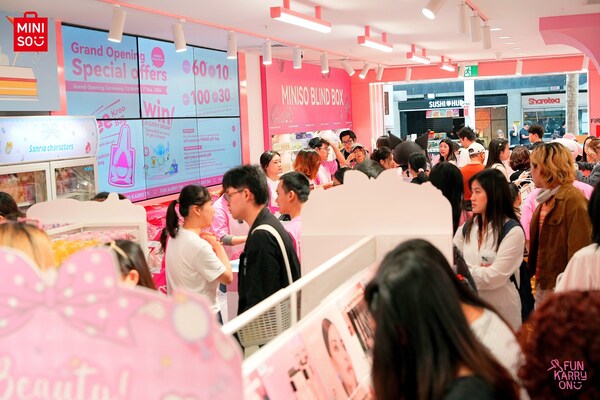
SYDNEY, Sept. 10, 2024 /PRNewswire/ — MINISO, the renowned global lifestyle brand, is excited to announce the grand opening of its first Sanrio-themed store in Australia on September 7th. This store, located on George Street in Sydney, marks the brand’s first-ever Sanrio-themed IP collection shop in Australia and its first flagship shop in the country. With over 2,500 SKUs and an area of approximately 300 square meters, this new store is set to offer a brand-new and joyful shopping experience to the Australian market.

MINISO‘s First Sanrio-Themed Store in Australia

The new flagship store, with its impressive Sanrio-themed storefront and dedicated Sanrio zones, showcases MINISO’s IP strategy. IP products make up over 70% of the store’s offerings, with nearly 30% featuring beloved Sanrio characters like Kuromi, Melody, and Cinnamoroll, including popular items such as blind boxes and night lights. Customers can also find popular IP items of Disney, BT21, Loopy and more, making the store a must-visit destination for all fans of these beloved characters. The sales performance of this store during the opening weekend set a new record for the highest sales per square meter among all MINISO stores.

MINISO Sanrio Blind Box Series

The store’s prime location in the bustling heart of Sydney makes it easily accessible to both locals and tourists. Surrounded by major retail areas and iconic attractions like the Sydney Town Hall and Queen Victoria Building (QVB), it promises a steady flow of foot traffic. George Street, Sydney’s original high street, remains one of the busiest streets in the city centre, further enhancing the appeal of this new MINISO store.

To celebrate the launch of its flagship store, MINISO has introduced a limited-edition reusable shopping bag inspired by Australia’s iconic kangaroo – the MINISO Kroo Bag. This exclusive bag will be gifted to customers who spend a specified amount in-store on the opening day. The Kroo Bag merges the essence of Australia’s beloved kangaroo with the signature MINISO shopping bag, encapsulating the theme “Karrying Fun to Australia.” To amplify this message, MINISO has also released a creative video showcasing shoppers with oversized Kroo Bags, inviting Australians to join in the fun and excitement.

Customers shopping in store

This George Street MINISO flagship store is MINISO’s second overseas Sanrio-themed location, following the success of the Margo City store in Indonesia last October. It marks the beginning of MINISO’s new journey in Australia and underscores the brand’s commitment to expanding its global footprint.

Since entering the Australian market, MINISO has successfully opened shops in Sydney and Melbourne and is continuously expanding its presence in the country. It plans to open more stores in key cities of Australia, targeting both prime business districts and emerging areas. This expansion will involve upgrades on both store design and product range of all existing stores, ensuring that every customer experiences a fresh MINISO.

MINISO is committed to offering Australian consumers top-quality and innovative IP design products. With a strong and loyal customer base and increasing demand, the brand aims to create a joyful atmosphere and an exciting shopping experience for everyone who visits MINISO stores, spreading the brand’s Joy Philosophy to even more consumers worldwide.

Source

Cautious Chinese travelers are taking more last-minute trips as economy struggles

0

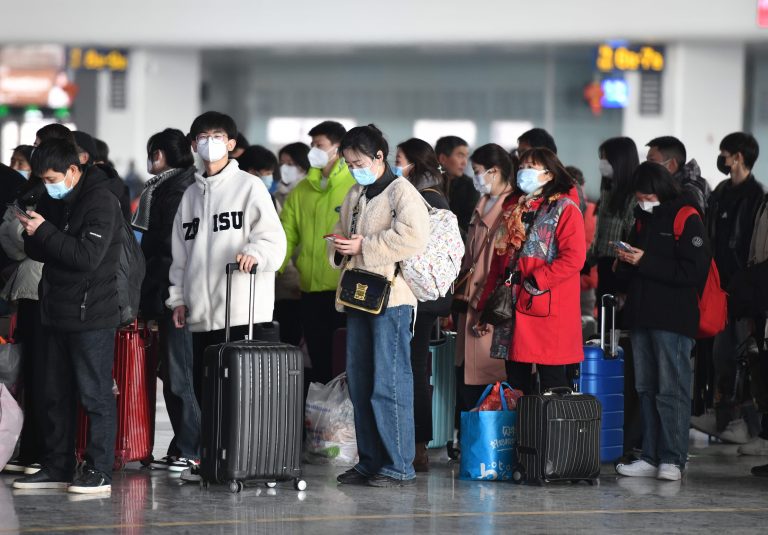
HAIKOU, CHINA – SEPTEMBER 08: Passengers wait in line to check in at Haikou Meilan International Airport on September 8, 2024 in Haikou, Hainan Province of China. (Photo by Luo Yunfei/China News Service/VCG via Getty Images)

Luo Yunfei | China News Service | Getty Images

Chinese travelers are taking more last-minute trips as they become more cautious with spending amid a lackluster economic recovery.

There is a “real crisis of consumer confidence” in China, Anthony Caputano, president and CEO of Marriott International said at the Bank of America Gaming and Lodging Conference last Thursday.

More Chinese consumers are booking hotels as late as three days in advance, which he said was the lowest level ever seen and much shorter than the nearly 20-day booking window for consumers in the rest of the world.

Travelers are planning trips closer to departure as they try to “take advantage of last-minute deals,” economists at Oxford Economics told CNBC, noting a shift in consumer preferences where “modern travelers prefer spontaneity in their travel plans.”

The shorter booking metric — which usually points to consumers’ increased uncertainty and caution with spending — makes it challenging for businesses to predict and prepare for demand, especially given China’s slow recovery, according to Patrick Body at the Cheung Kong Graduate School of Business.

Chinese consumers have become more frugal on everything, from groceries to travel, as the world’s second-largest economy grapples with a protracted property crisis and high unemployment.

“While people still want to go on holiday, sentiment regarding incomes and consumption remains low,” according to economists at Oxford Economics.

Indeed, China has been known as a market with consistently short booking windows, according to a report by the World Travel & Tourism Council in 2021. In 2019, 70% of hotel bookings on travel agency Trip.com were made within three days of check-in. This ratio rose above 80% in the first two years of the pandemic, due to the high uncertainty of travel restrictions during the pandemic.

In July, Marriott International lowered its growth forecast for revenue per available room for this year, citing “current weak demand and pricing trends” in China.

That pricing pressure is reflected across the industry including at domestic travel booking agency Trip.com, which reported average rates for domestic hotels and flights continued to decline this year.

During the Labor Day holiday in May — one of the country’s longest breaks of the year — China saw more domestic trips and tourism spending than in 2019, according to the Ministry of Culture and Tourism. But the average spending per traveler is still below 2019 levels.

The trend of people opting for short-haul trips to smaller cities or counties will continue, Oxford Economics said, which could boost these local economies.

Travel demand during the upcoming Golden Week in early October is expected to surpass the 2019 level, the economists said.

When asked about the outlook for the second half of the year, Trip.com CFO Xiaofan Wang said the company had “very limited visibility due to the short booking windows.” The platform expects booking activities to pick up after the National Day holiday, given a lower base in the same period last year, it said.

Source

Cancer gave Catherine, Princess of Wales, a ‘new perspective on everything.’ The mental health impact of the disease is profound, psychologists say.

0

Catherine, Princess of Wales, has completed chemotherapy treatment. In a video released Monday, the 42-year-old described the past nine months as “incredibly tough” for her and her family, sharing that the “path to healing and full recovery is long and I must continue to take each day as it comes.” The challenges, however scary, have also given the royal a “renewed sense of hope and appreciation of life.”

“The cancer journey is complex, scary and unpredictable for everyone, especially those closest to you. With humility, it also brings you face to face with your own vulnerabilities in a way you have never considered before, and with that, a new perspective on everything,” she said.

She’s not alone — in either the fear or the newfound sense of gratitude she discovered in the process of coping with cancer, according to psychologists. We spoke to two experts about the profound mental health impact cancer can have on patients and those closest to them.

The first step in the cancer journey — getting diagnosed — can be among the most jarring, experts say. “For many people, having a cancer diagnosis or even a potential cancer diagnosis is their worst fear,” Jessy Levin, a psychologist with Memorial Sloan Kettering Cancer Center, tells Yahoo Life. “The very beginning is overwhelming and a lot of people describe the period as having tunnel vision or tunnel hearing; it’s hard to focus on anything else.”

That overwhelm can ripple out to a person’s family and other loved ones. But these “support people” have a critically important job during this phase of the cancer journey, says Levin. “They feel a responsibility of being the keepers of information because they may be more able to focus on the technical aspects” of someone’s diagnosis and treatment plan than the person who has just found out they have cancer, she explains. Levin suggests people with cancer and their families make sure to have conversations about what questions they want to ask doctors and write them down before appointments, and take lots of notes during visits. This can help provide some comfort, clarity and a path through this time of tunnel vision when there is “such a rush of feelings,” Levin says.

Tens of millions of people are diagnosed with cancer each year, per the World Health Organization. And that means that many families are affected by the disease. In fact, one 2017 CBS poll found that more than half of Americans had at least one immediate family member who had been diagnosed with cancer. Parents, in particular, who have received a cancer diagnosis may feel an impulse to close off to protect their children and other loved ones. But experts say it’s better to lean in. “We advise parents to try to be as open and honest with their children about what they’re going through, without giving too much unnecessary information,” Neha Goyal, a University of California, San Francisco psychologist who cares for patients with cancer, tells Yahoo Life.

Maintaining communication benefits both the person with cancer and their loved ones. “It’s really important to maintain connections to things [and people] that are meaningful to them, including family,” says Levin. She advocates for open communication because “one of the things that’s really difficult for people who are going through a cancer process is feeling really isolated and like people don’t understand that experience.”

Cancer can also put some relationships to the test. Sometimes a patient will expect a loved one to be a pillar of support and find they turn out not to be, while the opposite can be true as well, with someone unexpectedly being by their side. “Lean into being OK with asking for help … but [while] recognizing that not everyone is able to provide the help they need,” Goyal advises.

The Princess of Wales frankly shared about her “new perspective” after undergoing cancer treatment, and experts say that shift is a common one for patients. A cancer diagnosis can “shatter the illusion of their immortality” for many people, says Goyal. “That forces them to sometimes figure out what is most important to them, and how they want to be spending the limited time they have as a human on this Earth, that’s why for many people it can create a new perspective,” she explains.

Life after cancer often isn’t the same as it was before — in ways both good and bad. “Part of that is living with having had cancer,” says Levin. “That doesn’t go away just because treatment has stopped.” Many patients have been through surgery that, in some cases, involves removing parts of their bodies. Fear of recurrence, fatigue, body image concerns, not getting exercise and sexual function issues are all common problems faced by cancer survivors, according to a 2017 survey.

A cancer diagnosis brings uncertainty, but “for some people that uncertainty becomes more profound or salient post-treatment,” says Goyal. “Once they’re done with treatment, people want to know ‘What just happened, what do I do now to make sure this doesn’t happen again?’ — and there’s no magic that will tell you what that answer is.”

For the princess, finishing treatment brought hope and gratitude but, as she acknowledged, the healing process isn’t over. “Grief can be a prominent emotion that comes up,” says Goyal. “There can be growth for people who have cancer, but there can also be loss: a loss of their sense of what their life is going to look like moving forward.”

Some simple life accounting can help cancer patients — and anyone — step into the future with newfound clarity and appreciation. Goyal recommends, regardless of whether you have cancer or not, taking an annual inventory of how you’re spending your time and what’s important to you. She advises asking yourself, “How much are those aligned or mismatched, and what can I be doing to align them better if they are mismatched?”

Source

Here are the 10 happiest states to live in the US: See if yours made the list

0

A new study revealed which states in America are the happiest — and the top spot may or may not surprise you.

WalletHub released the 2024 list of the happiest states in the United States after conducting research across all 50 states in three key dimensions: Emotional & physical well-being, work environment and community and environment. 

Additionally, the Miami, Florida, based personal finance company looked at 30 additional metrics to curate the list, such as social well-being, sports-participation rate, life expectancy, current unemployment rate, ideal weather and safety. 

10 ‘MOST FUN’ STATES IN AMERICA: DID YOU FAVORITE MAKE THIS LIST?

Using data from the U.S. Census Bureau, the Bureau of Labor Statistics, Centers for Disease Control and Prevention and others, WalletHub reported these states as being the “happiest” in the country. 

Happy family

Deeming a state as “happy” included looking at various metrics of life, according to Wallethub. (iStock)

Chip Lupo, a Wallethub analyst, said the happiest states have to be great all around. 

“In addition to pursuing your passions, having a good work-life balance and maintaining an emotional support network, another key way to boost your happiness is living in the right place,” he said in a media statement. 

Lupo added, “The happiest states are those that provide above-average quality of life in a wide variety of areas, from strong state economies and high quality physical and mental health care to adequate amounts of leisure time and good weather.”

HERE ARE THE BEST AND WORST US CITIES TO RAISE A FAMILY IN 2024

See if your home state made the list.

10 happiest states in America

10. Massachusetts

9. Nebraska

Boise, Idaho

Idaho was also named one of the happiest states in America.  (iStock)

8. Idaho

7. Connecticut

6. Minnesota

5. Delaware

Park City, Utah

Utah ranked number four on WalletHub’s list of the happiest states in America. (iStock)

4. Utah

3. New Jersey

2. Maryland

1. Hawaii

THE BEST PLACES TO LIVE IN THE US IN 2022-2023: A NEW CITY IS CROWNED

WalletHub found that Hawaii was the happiest state in the United States thanks to its “residents reporting the highest levels of life satisfaction in the nation and the lowest depression rate.”

Kauai, Hawaii

Hawaii was named the happiest state in America.  (iStock)

Additionally, Hawaii was known to have great physical health and the longest life expectancy in the U.S., per WalletHub. 

For more Lifestyle articles, visit www.foxnews/lifestyle

Hawaii has one of the lowest unemployment rates in the nation at 2.8% and the second-highest share of households with an annual income above $75,000. 

Maryland and New Jersey ranked second and third, respectively, for the happiest states in America thanks to people’s supportive relationships and the love they have in their lives, according to WalletHub’s findings.

Cape May, New Jersey

New Jersey ranked second on the list of happiest states in America.  (iStock)

Maryland residents also reported that they are motivated to achieve their goals at the third-highest rate in the U.S., while New Jersey residents have the ninth-lowest share of people who get anxious when thinking about personal finances. 

States near the bottom of WalletHub’s list include New Mexico, Tennessee, West Virginia, Arkansas and Louisiana — which came in last place.

CLICK HERE TO SIGN UP FOR OUR LIFESTYLE NEWSLETTER

The study also found that Tennessee, Maine, West Virginia, Arkansas and Oklahoma are the states with the highest share of adult depression.

Happy people and Hawaii

The happiest states in the U.S. were ranked based on various key factors. Did your favorite spot make the list? (iStock)

Hawaii, West Virginia, Alabama, Louisiana, Ohio and Arkansas were named states that have the lowest adequate sleep rate. Vermont ranked the highest on that list. 

CLICK HERE TO GET THE FOX NEWS APP

Fox News Digital reached out to WalletHub for additional comment.

Source

Jockey Club launches Philanthropy for Better Cities Forum 2024, ushering in Hong Kong Philanthropy Week

0

HONG KONG, Sept. 9, 2024 /PRNewswire/ — The Hong Kong Jockey Club Charities Trust convened its fourth Philanthropy for Better Cities (PBC) Forum 2024 at West Kowloon Cultural District today (9 September). It ushered in Hong Kong Philanthropy Week, in keeping with the HKSAR Government’s mission to promote the city as an international philanthropy hub.

The two-day PBC Forum provides a platform for foundations, thought-leaders, policymakers, non-governmental organisations and experts from around the world to convene, engage in dialogue and share transformative ideas on translating philanthropic action into tangible, sustainable impact. Under an overarching theme of “Delivering Impactful Philanthropy in the Real World”, the forum features keynote speeches and panel discussions. It brings together nearly 100 eminent speakers and more than 2,000 delegates from 40 countries and regions including representatives of over 200 local, regional and global foundations.

The Club’s Charities Trust convened the forum in association with the Institute of Philanthropy (IoP), a charitable organisation launched by the Club and its Trust at the opening of the third PBC Forum in September 2023.

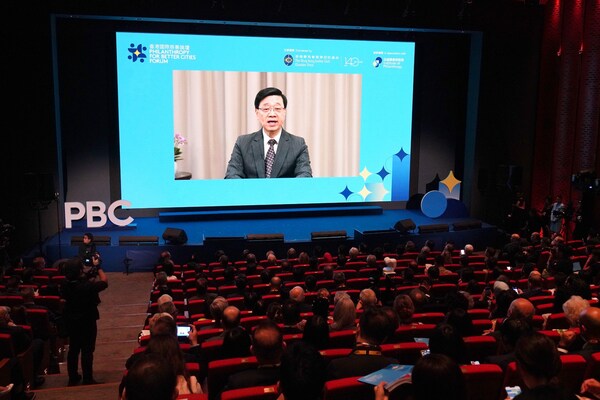
Through a video address at the forum, HKSAR Chief Executive John Lee said, “This forum is testament to Hong Kong’s commitment to philanthropy. It is proudly presented by The Hong Kong Jockey Club and its Charities Trust, a long-standing leader in championing our philanthropic endeavours.” He added, “The HKSAR Government is committed to Hong Kong’s rise as a global centre for philanthropy. That goal was formalised in our Policy Statement on Developing Family Office Businesses in Hong Kong. Our vision is to provide philanthropists with the tools they need to manage their wealth, while channelling their resources into social initiatives that create tangible impact. We are determined to realise Hong Kong as a go-to destination for global family offices passionate about making a difference.”

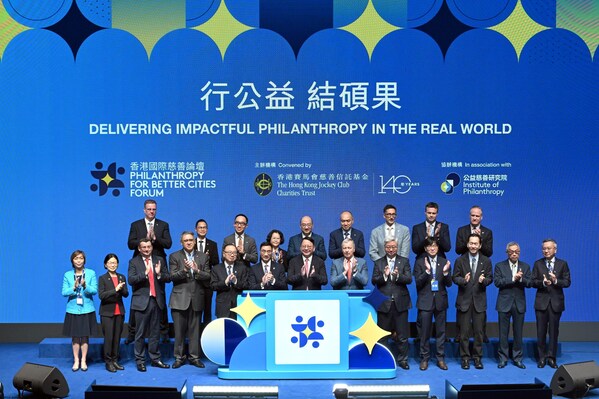
Officiating at the opening ceremony of this year’s forum was HKSAR Government Chief Secretary for Administration Chan Kwok-ki, the Club’s Chairman Michael Lee and Club CEO Winfried Engelbrecht-Bresges.

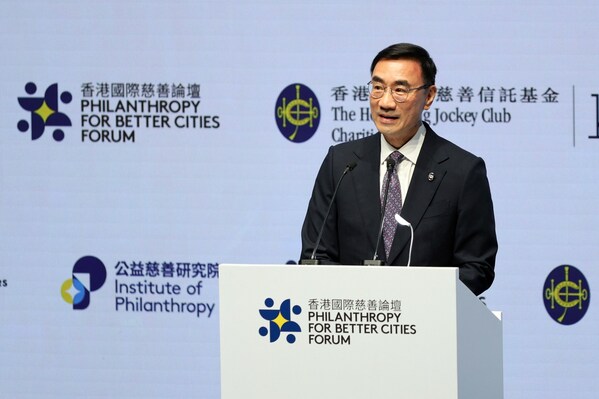
In his welcome speech at the opening ceremony, the Club’s Chairman said, “In Asia – home to the most populous nations and fastest-developing economies – we are experiencing rapid growth in philanthropic giving commensurate with the region’s rising prosperity through development. However, Asian philanthropy requires properly contextualised models and solutions to account for varied political, economic and cultural contexts that are different from established, largely Western models. Unlocking its full potential will be crucial in addressing shared social and environmental challenges most effectively.”

Leading foundations participating in this year’s PBC Forum include the Bill & Melinda Gates Foundation, China Soong Ching Ling Foundation, Nippon Foundation, Rockefeller Foundation, Tanoto Foundation, Temasek Foundation, Tencent Charity Foundation and the Wellcome Trust.

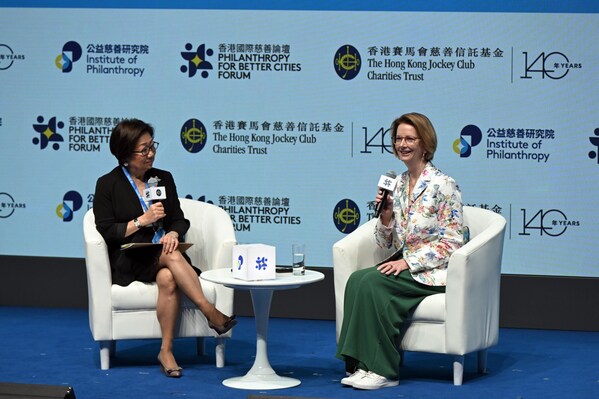
Julia Gillard – Chair of the Wellcome Trust, Chair of the Global Institute for Women’s Leadership and former Prime Minister of Australia – delivered today’s opening keynote entitled: “East is East and West is West: how does philanthropy differ and how can we best work together?”

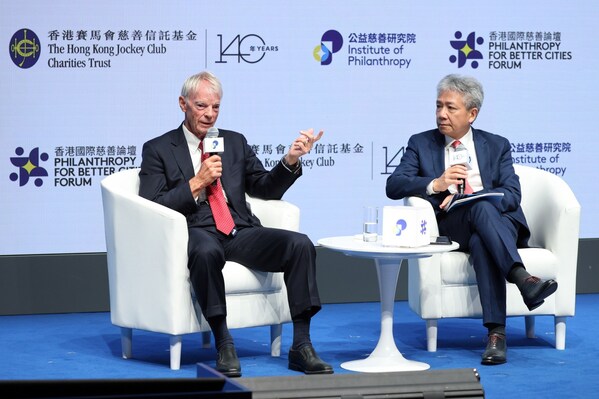
Professor Michael Spence – 2001 Nobel Laureate in Economics, Philip H. Knight Professor and Dean Emeritus of the Stanford Business School and Senior Fellow, Hoover Institution of Stanford University – delivered the second keynote entitled: “The economics of giving: what makes us give? What stops us from giving more?”

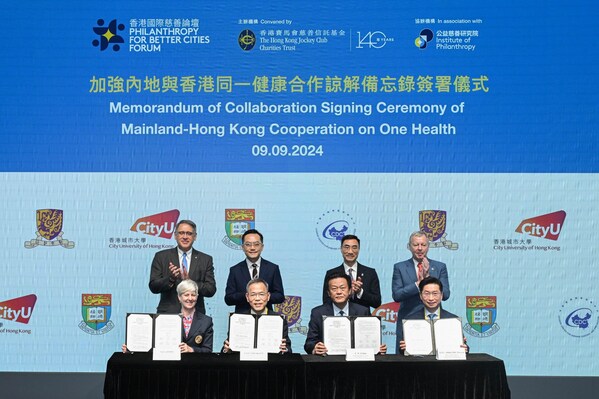
Additionally at the forum, representatives from the Department of Health of the HKSAR Government, the Club and IoP witnessed the signing of a Memorandum of Collaboration between the Chinese Center for Disease Control and Prevention and three local universities to strengthen capacity for monitoring and responding to epidemics in the Greater Bay Area. The local institutes are the Hong Kong Jockey Club Global Health Institute at the University of Hong Kong, the Jockey Club School of Public Health and Primary Care at the Chinese University of Hong Kong and the Jockey Club College of Veterinary Medicine and Life Science at the City University of Hong Kong. The memorandum follows the “One Health” approach which the Club has long supported including through the establishment of these university institutes.

This year the forum programme spans five days. It began with a welcome luncheon at the opening of Hong Kong’s 2024/25 horseracing season on 8 September, followed by the two-day forum. The Foundations Circle and additional side-events will be convened by IoP on 11 and 12 September. In addition, the Hong Kong Academy for Wealth Legacy will also host a three-day summit from 12-14 September, rounding out Hong Kong Philanthropy Week.

The Club’s support for the PBC Forum, like all of its charity and community initiatives, is made possible by its unique integrated business model through which racing and wagering generate tax contributions, charity support and employment opportunities for the community.

The Hong Kong Jockey Club
Founded in 1884, The Hong Kong Jockey Club is a world-class racing club that acts continuously for the betterment of our society. The Club has a unique integrated business model, comprising racing and racecourse entertainment, a membership club, responsible sports wagering and lottery, and charities and community contribution. Through this model, the Club generates economic and social value for the community and supports the HKSAR Government in combatting illegal gambling. In 2023/24, the Club returned a total of HK$40.1 billion to the community. This included HK$29.9 billion to the HKSAR Government in duty, profits tax and Lotteries Fund contributions and HK$10.2 billion in approved charity donations. The Club is Hong Kong’s largest single taxpayer and one of the city’s major employers. Its Charities Trust is one of the world’s leading charity donors. Please visit www.hkjc.com.

Institute of Philanthropy
The Institute of Philanthropy was established in September 2023 through a strategic seed grant of HK$6.8 billion (US$870 million) from The Hong Kong Jockey Club and its Charities Trust. Established as an independent “think-fund-do” tank for China and Asia, IoP is dedicated to promoting philanthropic thought leadership and enhancing sector capabilities at local, regional and global levels in collaboration with fellow funders. It seeks to provide an Asia-based platform bringing global stakeholders together to promote the betterment of societies everywhere. 

HKSAR Chief Executive John Lee delivers a video address at the opening ceremony of the Philanthropy for Better Cities Forum 2024.

Club Chairman Michael Lee delivers a speech at the opening ceremony of the Philanthropy for Better Cities Forum 2024.

HKSAR Government Chief Secretary for Administration Chan Kwok-ki (front row, centre), Club Chairman Michael Lee (front row, 6th left), Club Deputy Chairman Martin Liao (front row, 5th left), Club Stewards, Club CEO Winfried Engelbrecht-Bresges (front row, 6th right) and Club management pose for a group photo at the opening ceremony of the Philanthropy for Better Cities Forum 2024.

The Memorandum of Collaboration was signed by Li Qun, Deputy Director General, Chinese Center for Disease Control and Prevention (front row, 2nd right); Prof Chak-sing Lau, Dean of Medicine, The University of Hong Kong (front row, 2nd left); Prof Philip Chiu Wai-yan, Dean of Medicine, The Chinese University of Hong Kong (front row, 1st right); and Prof Vanessa Barrs, Dean, Jockey Club College of Veterinary Medicine and Life Sciences, City University of Hong Kong (front row, 1st left). The signing ceremony was witnessed by Michael Lee, Chairman of The Hong Kong Jockey Club (back row, 2nd right); Lester Huang, Chairman of IoP and Steward of The Hong Kong Jockey Club (back row, 1st left); Winfried Engelbrecht-Bresges, CEO of The Hong Kong Jockey Club and Director of IoP (back row, 1st right); and Dr Ronald Lam, Director of Health, HKSAR Government (back row, 2nd left).

Moderated by Laura M. Cha, Trustee of the Rockefeller Foundation, Former Chairman of Hong Kong Exchanges and Clearing Ltd (left), Julia Gillard, Chair of the Wellcome Trust, Chair of the Global Institute for Women's Leadership and former Prime Minister of Australia, (right) delivered the opening keynote: "East is East and West is West: how does philanthropy differ and how can we best work together?"
Moderated by Laura M. Cha, Trustee of the Rockefeller Foundation, Former Chairman of Hong Kong Exchanges and Clearing Ltd (left), Julia Gillard, Chair of the Wellcome Trust, Chair of the Global Institute for Women’s Leadership and former Prime Minister of Australia, (right) delivered the opening keynote: “East is East and West is West: how does philanthropy differ and how can we best work together?”

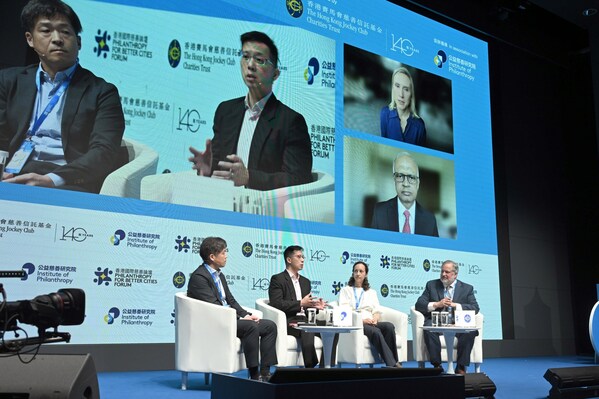
In the first plenary session entitled "What is Impact? Launching a new, systematic assessment of Asian giving", Ichiro Kabasawa, Executive Director of The Nippon Foundation (1st left), Benny Lee, CEO of the Tanoto Foundation (2nd left), and Jennifer Stout, Deputy Director of the Bill & Melinda Gates Foundation (2nd right), explore the potential of new assessment tools to define and ensure philanthropic impact. The session was moderated by William Foster, Managing Partner of the Bridgespan Group (1st right). Jagannatha Kumar, Chief Executive Officer of Reliance Foundation, and Mattie Bekink, China Regional Director of the Ford Foundation, also participated in the discussion via video conferencing.
In the first plenary session entitled “What is Impact? Launching a new, systematic assessment of Asian giving”, Ichiro Kabasawa, Executive Director of The Nippon Foundation (1st left), Benny Lee, CEO of the Tanoto Foundation (2nd left), and Jennifer Stout, Deputy Director of the Bill & Melinda Gates Foundation (2nd right), explore the potential of new assessment tools to define and ensure philanthropic impact. The session was moderated by William Foster, Managing Partner of the Bridgespan Group (1st right). Jagannatha Kumar, Chief Executive Officer of Reliance Foundation, and Mattie Bekink, China Regional Director of the Ford Foundation, also participated in the discussion via video conferencing.

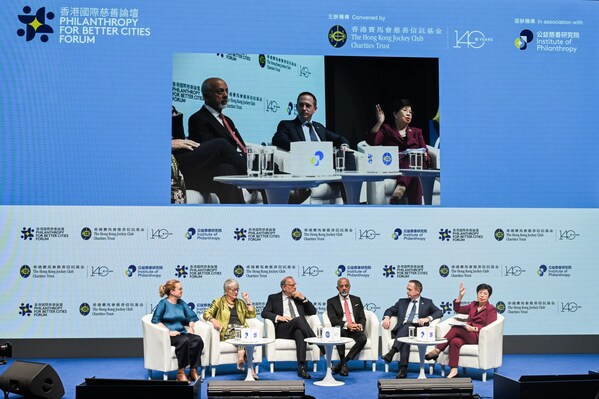
The second plenary session entitled "Innovations for a Healthier Global South: What is the role of philanthropy in supporting global health research and interventions?" was moderated by Professor Margaret Chan, Founding Dean of the Vanke School of Public Health, Tsinghua University, and Emeritus Director General of World Health Organization (1st right). It featured Rebecca F. Grais, Executive Director of the Pasteur Network (1st left); Ilona Kickbusch, Director of Digital Health Transformations LAB, University of Geneva, Chair and Founder of the Global Health Center Geneva at the Graduate Institute Geneva and Co-chair of the Council of the World Health Summit (2nd left); Professor Peter Piot, Professor of Global Health, London School of Hygiene & Tropical Medicine, Special Advisor to European Commission President von der Leyen on European and Global Health Security (3rd left); Naveen Rao, Senior Vice-President of the Health Initiative at the Rockefeller Foundation (3rd right); and Carsten Schicker, Chief Executive Officer of the World Health Summit (2nd right).
The second plenary session entitled “Innovations for a Healthier Global South: What is the role of philanthropy in supporting global health research and interventions?” was moderated by Professor Margaret Chan, Founding Dean of the Vanke School of Public Health, Tsinghua University, and Emeritus Director General of World Health Organization (1st right). It featured Rebecca F. Grais, Executive Director of the Pasteur Network (1st left); Ilona Kickbusch, Director of Digital Health Transformations LAB, University of Geneva, Chair and Founder of the Global Health Center Geneva at the Graduate Institute Geneva and Co-chair of the Council of the World Health Summit (2nd left); Professor Peter Piot, Professor of Global Health, London School of Hygiene & Tropical Medicine, Special Advisor to European Commission President von der Leyen on European and Global Health Security (3rd left); Naveen Rao, Senior Vice-President of the Health Initiative at the Rockefeller Foundation (3rd right); and Carsten Schicker, Chief Executive Officer of the World Health Summit (2nd right).

Delivering the second keynote entitled "The Economics of Giving: What makes us give? What stops us from giving more?" was Professor Michael Spence, 2001 Nobel Laureate in Economics, Philip H. Knight Professor and Dean Emeritus of the Stanford Business School and Senior Fellow, Hoover Institution of Stanford University (left). The moderator was Professor Stephen Cheung, Voting Member of The Hong Kong Jockey Club, Vice-Chairman of CMB Wing Lung Bank and Former President of the Education University of Hong Kong (right).
Delivering the second keynote entitled “The Economics of Giving: What makes us give? What stops us from giving more?” was Professor Michael Spence, 2001 Nobel Laureate in Economics, Philip H. Knight Professor and Dean Emeritus of the Stanford Business School and Senior Fellow, Hoover Institution of Stanford University (left). The moderator was Professor Stephen Cheung, Voting Member of The Hong Kong Jockey Club, Vice-Chairman of CMB Wing Lung Bank and Former President of the Education University of Hong Kong (right).

Photos can be downloaded from the website of The Hong Kong Jockey Club (www.hkjc.com/english/corporate/corp_news.asp).

Source

Intelligent Technology Empowers the Future of Rehabilitation: Siyi Intelligence (Syrebo) Shines at WRRC 2024

0

i-CREATe & WRRC 2024

SHANGHAI, Sept. 9, 2024 /PRNewswire/ — Siyi Intelligence (Syrebo) played a prominent role at the International Convention on Rehabilitation Engineering and Assistive Technology (i-CREATe 2024) & the World Rehabilitation Robot Convention 2024 (WRRC 2024), held in Shanghai from August 23rd to 26th, 2024.

This event was co-hosted by the Coalition on Rehabilitation Engineering and Assistive Technology of Asia (CREATe Asia), the China Association of Assistive products, and the University of Shanghai for Science and Technology. The Institute of Electrical and Electronics Engineers (IEEE), the world’s largest academic organization, acted as technical sponsor. Prof. Hongliu Yu, President-elect of CREATe Asia, served as the convention chairman, joining an already impressive roster of participants.

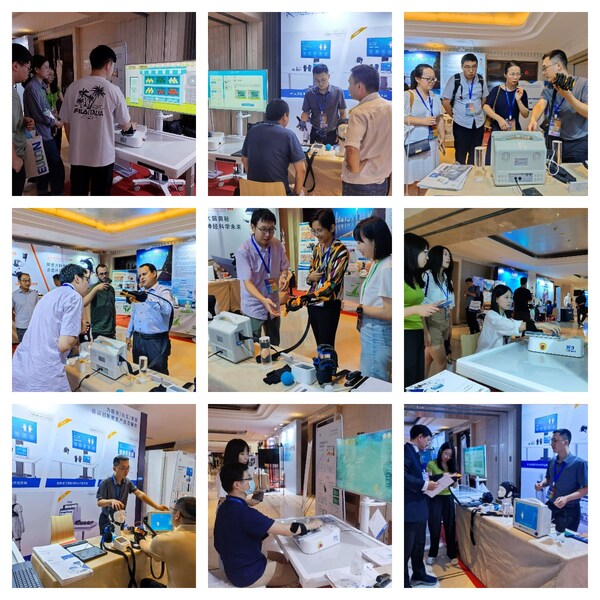
Siyi Intelligence (Syrebo) showcased the company’s intelligent rehabilitation solutions, capturing the attention of rehabilitation professionals worldwide.

Crowded Booth and Rave Reviews

Siyi Intelligence (Syrebo), a leader in the rehabilitation industry, made a remarkable debut at the event with its array of intelligent rehabilitation products. The line-up included the Syrebo® series of solutions, including the Brain-Computer Interface Rehabilitation Training & Evaluation System, the Intelligent Upper Limb Rehabilitation Robot, and the Hand Rehabilitation Robot. 

The unveiling of the solutions line-up attracted a large number of attendees eager to experience the innovations firsthand. The products received rave reviews from visitors for their cutting-edge technology and user-friendly design. Additionally, Prof. Jie Jia from Fudan University’s Huashan Hospital, a prominent guest at the event, visited the Siyi Intelligence (Syrebo) booth and provided valuable feedback on the design and clinical utility of their smart rehabilitation solutions. 


Honored Participation in the Global Entrepreneurship Competition

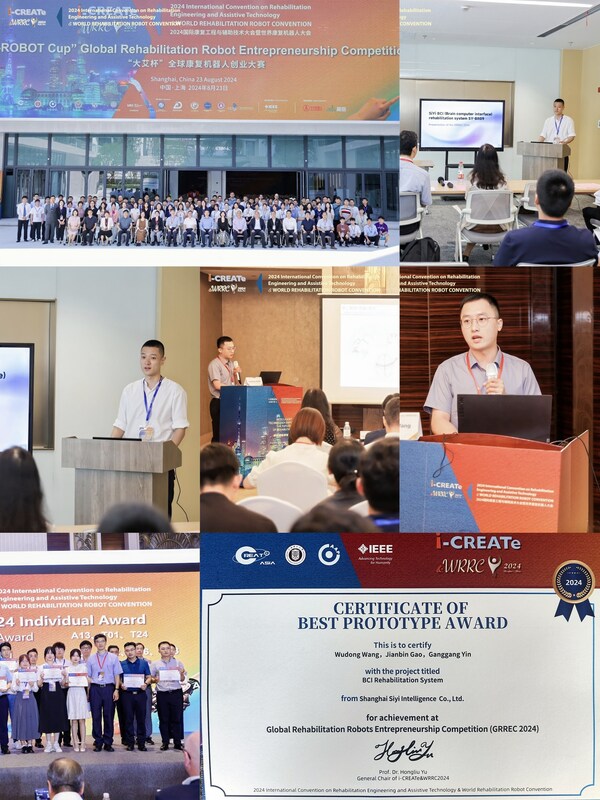
On August 23rd, Siyi Intelligence (Syrebo) participated in the final round of the Global Rehabilitation Robot Entrepreneurship Competition with its award-winning Syrebo® Brain-Computer Interface Rehabilitation Training and Evaluation System. Prior honors include the Red Dot and iF Design Awards.

After intense competition and detailed evaluation by the final judges, Siyi Intelligence’s (Syrebo) brain-computer interface distinguished itself with its unique design and advanced technology, ultimately winning the Best Prototype Award.

Insightful Speech at the Hand Rehabilitation Forum

The Forum on New Technologies and Devices for Hand Rehabilitation was held on August 25th at the conference venue. The forum was co-presided by Prof. Jie Jia and Prof. Qiyu Tang from the Chinese University of Hong Kong.

During the forum, Wudong Wang, co-founder of Siyi Intelligence (Syrebo), delivered a presentation on the innovative application of intelligent rehabilitation technology in hand rehabilitation. His insights offered fresh perspectives and cutting-edge ideas, contributing significantly to the advancement of the field.


About Siyi Intelligence (Syrebo)

Siyi Intelligence(Syrebo) is a pioneering neurorehabilitation company that offers a range of affordable robotic products designed for hospitals, clinics and individual use. The product line-up includes soft hand function robotics, soft exoskeletons for lower limbs, Brain-Computer Interface (BCl) solutions and upper limb rehabilitation robotics.

Syrebo® soft hand robotic series is equipped to provide advanced training solutions utilizing BCl, Electromyography (EMG), flexible sensors and Electrical Nerve Stimulation (ENS). Syrebo® upper limb rehabilitation robotics feature high precision optical positioning, suitable for varied environments. For mobility challenges, Syrebo® soft robotics for walking provide detailed gait analysis and assistance to patients with neurological injuries, including stroke and multiple sclerosis victims.

Certified by the FDA and CE, Syrebo® products have been available globally across more than 80 countries and regions since 2017, serving over 4,000 hospitals and 60,000 families.

The mission is to lead the market in developing affordable, high-quality rehabilitation robotics and services, catering to the needs of hospitals, clinics, and families globally.

Source