Tuesday, June 16, 2026
Google search engine
Home Blog Page 70

Phil Gould announces ‘tough’ 10-week injury blow for Bulldogs star Leo Thompson

0

The Bulldogs will have to wait even longer for Leo Thompson to debut after the big-name recruit was ruled out for 10 weeks.

Thompson was ruled out of the All Stars clash over the weekend and underwent what Canterbury football boss Phil Gould said were “precautionary but essential” scans.

He has now revealed it was “not good news”.

Know the news with the 7NEWS app: Download today Arrow

“MRI reveals Grade 3 calf tear, 10 weeks return to play at this stage,” Gould wrote on Tuesday.

“It is what it is, we move on. Tough game rugby league.”

Thompson signed with the Bulldogs more than a year ago before playing out his contract with Newcastle.

Gould previously said star Matt Burton was cleared of a hamstring tear after he limped from the field in the Dogs’ 28-0 trial win over Newcastle on Saturday.

A serious setback would have been a blow to Canterbury, with rising half Mitchell Woods also sidelined and recruit Sean O’Sullivan next in line.

However, Gould confirmed on Monday the five-eighth had received good news ahead of Saturday week’s Las Vegas clash with St George Illawarra.

“Matt Burton MRI scan today shows no tear of the hamstring,” he wrote.

“Awaiting full report, but appears good to go. That’s a big congratulations to Bulldogs coaches and staff, who saw Matt Burton’s reaction in a tackle and ordered him to come from the field immediately.

“Good spotting, quick action, looks like it will be a great result. Matt felt something, only a trial game, well done.”

– with AAP

Source

Chula Researchers Reimagine Thai Cuisine for People with Swallowing Disorders

0

BANGKOK, Feb. 17, 2026 /PRNewswire/ — Researchers at Chulalongkorn University have developed a new cookbook designed to improve nutrition, safety, and quality of life for older adults and people with swallowing difficulties, or dysphagia. Titled Happy to Swallow: 52 Simple Recipes for Delicious Dysphagia Meals, the publication adapts popular Thai dishes into texture-modified meals that are safe to swallow while remaining visually appealing and flavorful.

Chula Researchers Reimagine Thai Cuisine for People with Swallowing Disorders

The cookbook is led by Assitstant Professor Dr.  Varanya Techasukthavorn, the Department of Nutrition and Dietetics, Faculty of Allied Health Sciences. It builds on the team’s earlier work, 46 IDDSI-Compliant Swallowing Practice Menus, Thailand’s first cookbook developed under the International Dysphagia Diet Standardisation Initiative (IDDSI). The new volume translates years of academic research on texture-modified foods into practical guidance for home kitchens and care settings.

The book features 52 recipes spanning familiar Thai main dishes, desserts, and beverages that have been redesigned to reduce choking risk while preserving authentic flavor and presentation. Each recipe was tested and refined in a kitchen laboratory to ensure safety, palatability, and nutritional adequacy.

Malnutrition remains a significant concern among older adults and individuals with dysphagia, many of whom avoid eating due to fear of choking or dissatisfaction with unappealing puréed foods. To address this, all recipes are developed by professional dietitians to provide balanced nutrients and adequate energy intake. The cookbook emphasizes natural, locally available ingredients and minimizes the use of additives, making it accessible to families and caregivers.

All dishes comply with IDDSI standards, a globally recognized framework used in hospitals and long-term care facilities to classify food textures and liquid thickness. The bilingual Thai-English format broadens the book’s reach to international caregivers, healthcare professionals, and foreign seniors living in Thailand.

The publication forms part of a national research project examining the implementation of IDDSI-based diets in hospitals nationwide and is partially funded by the Ratchadapisek Somphot Fund of Chulalongkorn University. Researchers say the project aims not only to improve nutrition and safety, but also to restore dignity, confidence, and enjoyment at the dining table.

Happy to Swallow is available as a free digital download and for purchase through designated online platforms, serving as a practical resource for caregivers and health professionals seeking safer, culturally familiar meals for people with swallowing difficulties.  

Contact LINE Official Account: @dysphagiadiet.th for more information.

Read the full article and download Happy to Swallow: 52 Simple Recipes for Delicious Dysphagia Meals for free at: https://www.chula.ac.th/en/highlight/278578 

The book is available for purchase via the Happy to Swallow Facebook page.
https://www.facebook.com/happytoswallow/ 

Read the full article at: https://www.chula.ac.th/en/highlight/278578/

About Chulalongkorn University

Chulalongkorn University has made the world’s top 50 university list for employment outcomes, which reflects both the high employment rate and work ability of Chula graduates. The university is also listed as the best in Thailand for the 15th Consecutive Year (since 2009), according to the newly released QS World University Rankings 2024, putting Chula at 211th in the world, up from 244th last year.

Social Media: 
Facebook: https://www.facebook.com/ChulalongkornUniversity
Youtube: https://www.youtube.com/chulauniversity
Linkedin: https://www.linkedin.com/school/15101896/

Source

Hyatt Chairman Pritzker leaves board over Epstein ties

0

Thomas Pritzker, executive chairman of Hyatt Hotels Corp., speaks during the Milken Institute Global Conference in Beverly Hills, California, U.S., on Wednesday, May 2, 2018. The conference brings together leaders in business, government, technology, philanthropy, academia, and the media to discuss actionable and collaborative solutions to some of the most important questions of our time. Photographer: Dania Maxwell/Bloomberg via Getty Images

Bloomberg | Bloomberg | Getty Images

Hyatt Hotels Chairman Thomas Pritzker said Monday that he would retire and renounced his relationship with sex predator Jeffrey Epstein.

Pritzker will leave his post as the hotel chain’s executive chairman — a role he’s held for more than two decades — immediately, he said in a statement released by the Pritzker Organization. The 75-year-old billionaire Hyatt heir said he would not seek reelection to the board at the annual stockholder meeting.

“My job and responsibility is to provide good stewardship. That is important to me,” Pritzker said in the statement. “Good stewardship includes ensuring a proper transition at Hyatt.”

Pritzker said he has “regret” over his connection to Epstein and his accomplice Ghislaine Maxwell.

Epstein plead guilty to state criminal charges related to soliciting prostitution, including one charge involving a minor, in Florida in 2008. He killed himself in 2019 after being arrested for federal child sex trafficking charges.

Recently released files show Pritzker and Epstein exchanged friendly emails after the disgraced financier’s 2008 plea deal. Being part of the release of thousands of documents and photos does not imply any wrongdoing.

“I exercised terrible judgment in maintaining contact with them, and there is no excuse for failing to distance myself sooner,” Pritzker said in the statement. “I condemn the actions and the harm caused by Epstein and Maxwell and I feel deep sorrow for the pain they inflicted on their victims.”

Following his retirement, Pritzker said he would focus attention on a science foundation he began.

Pritzker’s announcement marks the latest in a series of high-profile resignations as more details about Epstein’s dealings become public. Former Goldman Sachs Legal Chief Kathryn Ruemmler and Paul Weiss Chair Brad Karp were both among the latest business leaders to step down from their positions. Both Ruemmler and Karp and have said they regret their connections to Epstein and that coverage of their ties were creating distractions for the companies they represented.

Hyatt said its board appointed CEO Mark Hoplamazian to succeed Pritzker as chair starting immediately. Board member Richard Tuttle thanked Pritzker for his work and called him “instrumental” in determining the Chicago-based company’s strategy in a press release.

Source

Family outraged after major airline seats toddler apart from parents, sparking viral debate

0

NEWYou can now listen to Fox News articles!

A family seating mix-up on a recent flight has sparked online debate over whether airlines should guarantee that parents and young children sit together or not.

The dispute began after a passenger shared on X that his wife and two young children were automatically assigned seats in separate rows on a Southwest Airlines flight.

The family did not pay for seat selection, the post noted. Rather, the airline’s system assigned seats individually. 

FLIGHT PASSENGER STANDS FIRM AGAINST ENTITLED SEAT SWAPPER’S DEMANDS: ‘I’M NOT MOVING’

The passenger said his 2-year-old child was placed in a different row from both his mother and sibling, despite indicating during booking that the couple was traveling with children.

The post drew attention, with many commenters criticizing the father for declining to purchase seat selection.

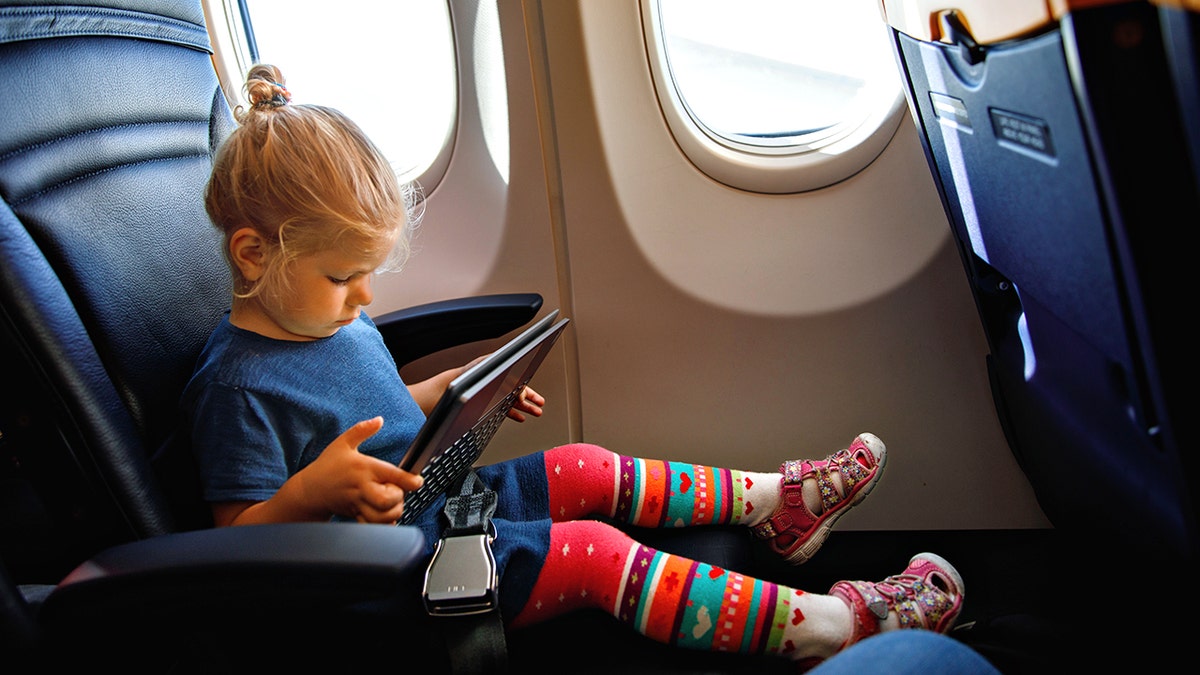
Toddler girl using tablet while seated by airplane window on a commercial flight.

A Southwest flight assigned a family to separate rows, with their 2-year-old child (not pictured) seated elsewhere. (iStock)

“If you’re so cheap that you refuse to not pay for seat selection, then why didn’t you put the 2-year-old as a lap child?” one user wrote.

“Next time, buy the seats together. It’s that easy,” another added.

FLIGHT PASSENGER MISTAKENLY BOARDS WRONG PLANE, LANDS IN SURPRISING COUNTRY AFTER MANY HOURS

Some users also pointed out that separating families on planes can place pressure on other passengers to switch seats to accommodate others. 

“I love kids, but I’d hate to be that passenger who has to move for your family to sit together,” a commenter said.

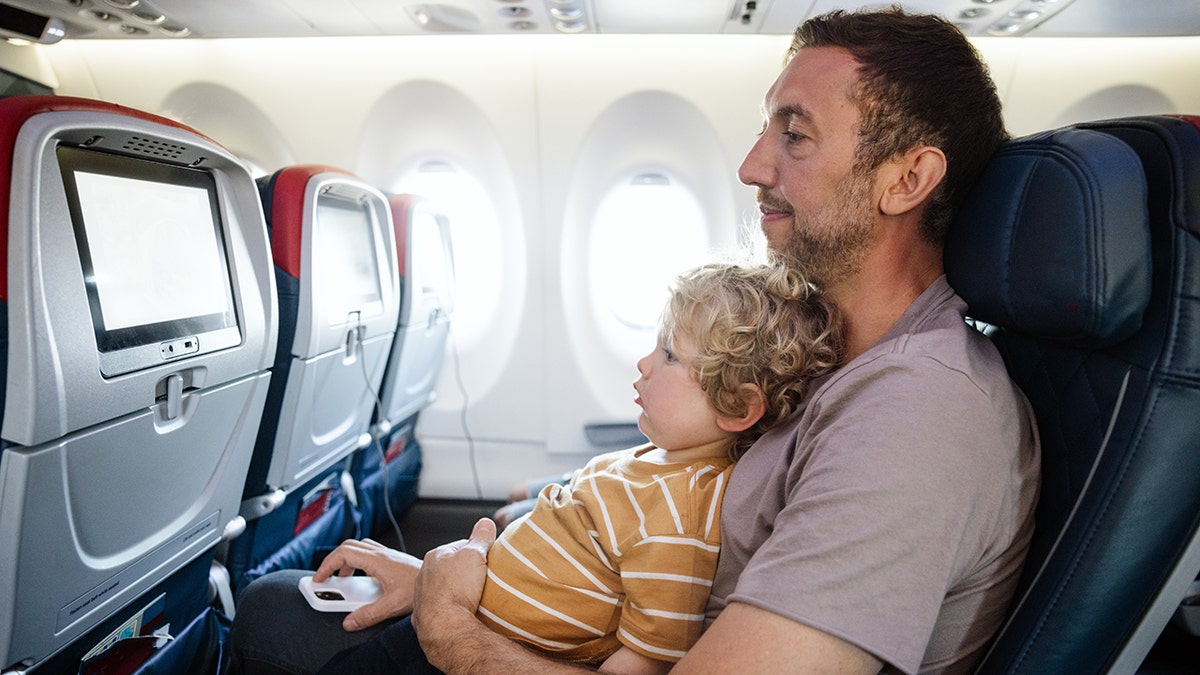
Father and young son sitting together on airplane watching in-flight entertainment screen.

The post sparked criticism of the father (not pictured) for not paying to select seats — with some saying the perplexing situation could have been avoided. (iStock)

Others, however, argued that airlines should automatically seat young children next to a parent or guardian, particularly when a child’s age is provided during booking.

“All minors should be assigned next to an adult,” one user wrote.

Fox News Digital reached out to Southwest Airlines for comment about the incident.

CLICK HERE TO SIGN UP FOR OUR LIFESTYLE NEWSLETTER

The situation comes amid changes at Southwest Airlines, which began transitioning to an assigned seating model in January. 

Federal regulations do not currently require airlines to guarantee adjacent seating.

The carrier had long been known for its open seating policy, which allowed passengers to choose any available seat upon boarding.

CLICK HERE FOR MORE LIFESTYLE STORIES

The U.S. Department of Transportation encourages airlines to seat young children next to a parent or accompanying adult at no additional charge, according to the agency’s website. 

However, federal regulations do not currently require airlines to guarantee adjacent seating.

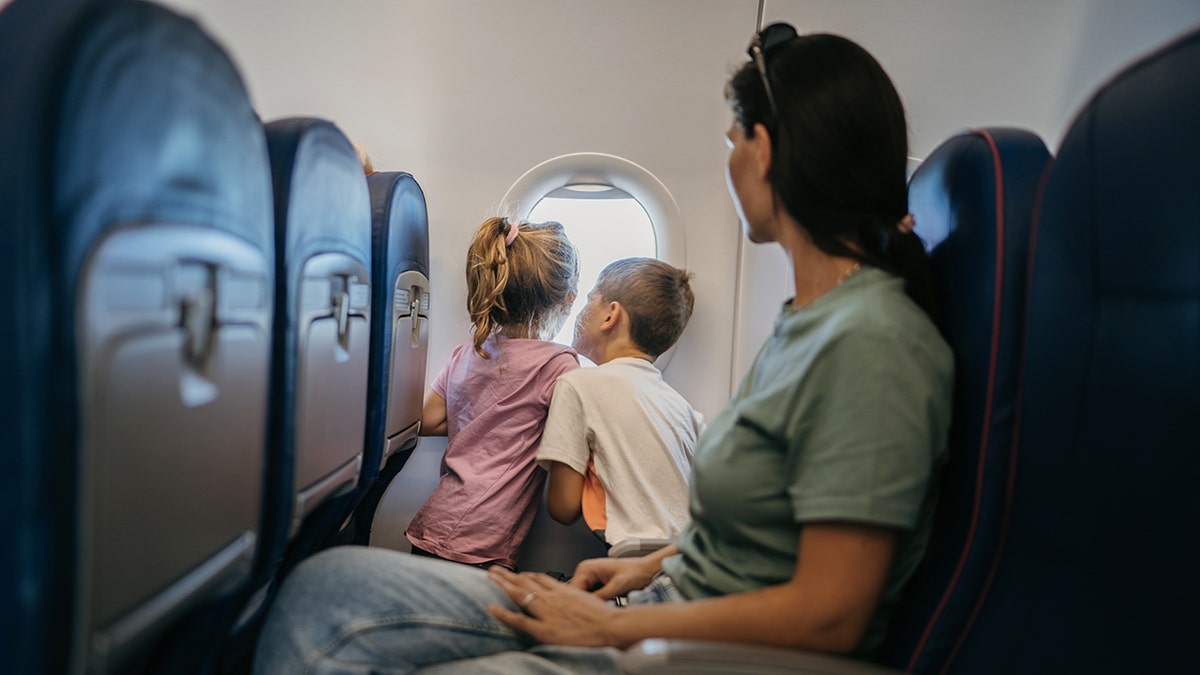
Mother and two children looking out airplane window while seated on a commercial flight.

The DOT advises airlines to place young children beside a parent or guardian at no extra cost, though there is no federal rule requiring carriers to ensure seats are together. (iStock)

The department maintains an online dashboard that outlines which carriers commit to seating children age 13 and under next to an accompanying adult without an added fee.

The dashboard shows that Southwest Airlines does not commit to providing fee-free guaranteed adjacent seating.

TEST YOURSELF WITH OUR LATEST LIFESTYLE QUIZ

Other major carriers that do not commit to providing fee-free guaranteed adjacent seating include Delta, Spirit, Allegiant and United, according to the DOT dashboard.

Several airlines, however, state that they will seat children age 13 and under next to an accompanying adult at no additional cost under certain conditions. 

CLICK HERE TO DOWNLOAD THE FOX NEWS APP

Those carriers include Alaska Airlines, American Airlines, Frontier, Hawaiian Airlines and JetBlue.

Source

Canada’s First heytea lab Debuts at Toronto Eaton Centre, Unveiling 8 Global Exclusive Limited-Edition Drinks

0

TORONTO, Feb. 16, 2026 /PRNewswire/ — Today, the originator of New-Style Tea, heytea, officially opened its first Canadian heytea lab at CF Toronto Eaton Centre (TEC), marking a major milestone in its North American expansion following the debut of its overseas heytea lab in New York’s Times Square in early 2025.

heytea lab at CF Toronto Eaton Centre

As the brand’s most avant-garde retail concept, heytea lab serves as a creative hub for tea innovation, flavor exploration, and aesthetic presentation. The TEC opening introduces the “tea lab” series to Canada for the first time, featuring eight globally exclusive, limited-edition beverages crafted for international markets, anchored in the newly developed Rock Oolong tea base—naturally high in aroma and complexity—and reimagining tea through layered flavor design and textural contrast.

To celebrate the grand opening, heytea partnered with renowned Canadian chef Susur Lee to present a refined fusion of haute cuisine and tea culture. The co-created signature drinks, Rock Oolong Caviar and Rock Oolong Caviar Ice Cream, reinterpret contemporary Chinese tea through contrast and balance, pairing savory caviar with the floral depth of Rock Oolong to deliver a fine-dining-inspired sensory experience. The collaboration reflects heytea’s vision of elevating tea in a broader culinary dialogue.

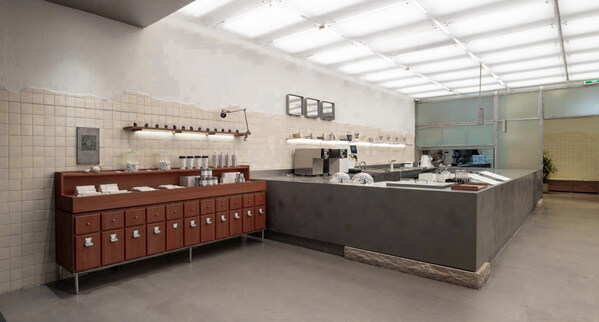
Designed as an immersive creative showcase, the store transforms the R&D process visually. Displays of raw tea leaves, botanical ingredients, and extraction equipment offer transparency into craftsmanship and invite guests to engage with the story behind every drink.

Since entering Canada with its first Vancouver store in 2023, heytea has expanded strategically across the Vancouver and Toronto metropolitan areas, with the TEC flagship signaling its entry as the first New-Style Tea brand into this premier Canadian shopping landmark. The brand now operates six stores nationwide, supported by a dedicated Toronto distribution center launched in December 2025 to ensure consistent quality and supply chain stability.

Through heytea lab, the brand continues to position tea as a cultural medium, building meaningful connections within Toronto’s diverse community.

About heytea

Founded in 2012, heytea revolutionized traditional bubble tea by committing to natural ingredients and today operates around 4,000 stores across more than 330 cities worldwide, with over 100 locations in Hong Kong SAR, Macau SAR, and overseas markets, including more than 45 in North America. The brand has partnered with global fashion, entertainment, and cultural brands including FENDI, alexanderwang, WICKED, POP MART, and Yayoi Kusama.

Source

Co-PSMA: Cu-64 SAR-bisPSMA more than doubled prostate cancer lesion and patient detection vs. Ga-68 PSMA-11 in head-to-head trial

0

HIGHLIGHTS

  • Abstract outlining key findings from the Co-PSMA Investigator-Initiated Trial (IIT) has been released.
  • The study was led by Prof Louise Emmett at St Vincent’s Hospital Sydney, and the abstract was accepted for oral presentation at the upcoming European Association of Urology (EAU) Congress 2026.
  • Co-PSMA IIT evaluated the performance of Clarity’s diagnostic product, 64Cu-SAR-bisPSMA, in a head-to-head comparison to standard-of-care (SOC) 68Ga-PSMA-11 in 50 patients with biochemical recurrence (BCR) of prostate cancer (with prostate-specific antigen [PSA] 0.2-0.75 ng/mL) following radical prostatectomy who were candidates for curative salvage therapy.
  • 64Cu-SAR-bisPSMA positron emission tomography (PET) / computed tomography (CT) identified a statistically significant greater number of prostate cancer lesions per patient than 68Ga-PSMA-11 PET/CT (study primary endpoint). The mean per-patient lesion was 1.26 for 64Cu-SAR-bisPSMA vs. 0.48 for 68Ga-PSMA-11, with a difference of 0.78 (95% confidence interval [CI]: 0.52 – 1.04), ratio 2.63 (95%CI: 1.64 – 4.20) (p <0.0001).
  • In total, 68Ga-PSMA-11 identified 24 lesions across all participants, while 64Cu-SAR-bisPSMA next-day imaging detected 63 lesions.
  • At a per-patient level, 68Ga-PSMA-11 identified 36% (18/50) of trial participants as having a positive scan, while 64Cu-SAR-bisPSMA next-day imaging detected prostate cancer in 78% (39/50) of cases.
  • Planned patient management changed following assessment of 64Cu-SAR-bisPSMA PET/CT in 22/50 (44%) trial participants.
  • Further data outlining results from the Co-PSMA IIT will be presented at the EAU Congress 2026.

SYDNEY, Feb. 16, 2026 /PRNewswire/ — Clarity Pharmaceuticals (ASX: CU6) (“Clarity” or “Company”), a clinical-stage radiopharmaceutical company with a mission to develop next-generation products that improve treatment outcomes for patients with cancer, is pleased to announce the release of an abstract on the Co-PSMA (NCT06907641)[1] IIT, accepted for oral presentation at the upcoming EAU Congress 2026, Europe’s largest urological conference, to be held from 13 to 16 March 2026 in London, UK[2]. The abstract outlines key findings from the study.

Co-PSMA (“Comparative performance of 64Copper [64Cu]-SAR-bisPSMA vs. 68Ga-PSMA-11 PET CT for the detection of prostate cancer recurrence in the setting of biochemical failure following radical prostatectomy”) was led by Prof Louise Emmett at St Vincent’s Hospital Sydney. This Phase II IIT evaluated the performance of Clarity’s diagnostic product, 64Cu-SAR-bisPSMA, in a head-to-head comparison to SOC 68Ga-PSMA-11 in 50 prostate cancer patients with BCR who were candidates for curative salvage therapy. Eligible patients were required to have had radical prostatectomy with no salvage therapy and a PSA level between 0.2 and 0.75 ng/mL. 68Ga-PSMA-11 PET/CT was followed by 64Cu-SAR-bisPSMA PET/CT within 3 weeks (at 1 h and 24 h post-injection, same-day and next-day imaging, respectively), on the same digital PET camera. A standard of truth (SOT) was used to determine accuracy of the PET findings and included biopsy, response to targeted treatment without androgen deprivation therapy [ADT] or corroborative imaging. The primary endpoint of the Co-PSMA study was to assess the difference in mean per patient lesion number.

64Cu-SAR-bisPSMA PET/CT identified a statistically significant greater number of lesions per participant than 68Ga-PSMA-11 PET/CT, with a higher true positive rate also favouring 64Cu-SAR-bisPSMA. The mean per-patient lesion for 64Cu-SAR-bisPSMA was 1.26, compared to 0.48 for 68Ga-PSMA-11, with a difference of 0.78 (95%CI: 0.52 – 1.04), ratio 2.63 (95%CI: 1.64 – 4.20) (p <0.0001). In total, 68Ga-PSMA-11 identified 24 lesions across all participants, while 64Cu-SAR-bisPSMA next-day imaging detected 63 lesions. On a per patient level, 36% (18/50) of participants were positive on 68Ga-PSMA-11 PET/CT, compared to 78% (39/50) on the 64Cu-SAR-bisPSMA PET/CT (next-day imaging). Planned patient management changed following the assessment of the 64Cu-SAR-bisPSMA scans in 22/50 (44%) trial participants. Among the participants with an evaluable SOT, the true positive rate was 75% for 64Cu-SAR-bisPSMA (21/28) compared to 39% (11/28) for 68Ga-PSMA-11.

These results further build on the growing body of evidence showing that 64Cu-SAR-bisPSMA improves the detection of prostate cancer, compared to the current SOC prostate-specific membrane antigen (PSMA) PET agents which are known to have low sensitivity, with limited ability to detect cancer, especially in patients with low PSA levels[3],[4],[5].

Further data outlining results from the Co-PSMA IIT will be announced in mid-March following their oral presentation at the EAU 2026.

Clarity’s Executive Chairperson, Dr Alan Taylor, commented, “The data from the Co-PSMA trial are nothing short of exceptional. We already knew of the significant benefits of the optimised bisPSMA molecule from the early days around 7 years ago, when it was purposely developed to overcome the many shortfalls of the current single-targeting SOC PSMA imaging agents. This innovative benchtop research of the dual-targeting bisPSMA agent quickly progressed to multiple clinical trials, including COBRA[6], PROPELLER[7] and SECuRE[8], which enabled us to secure three Fast Track Designations from the United States (US) Food and Drug Administration (FDA) and advance to two registrational trials, AMPLIFY[9] and CLARIFY[10], both of which are nearing completion of recruitment.

“Importantly, in the COBRA trial, we also looked at the performance of 64Cu-SAR-bisPSMA in patients with BCR of prostate cancer following definitive therapy, but with participant selection criteria having no limitation on upper PSA levels (median 0.9 ng/mL, range 0.25 to 17.6). The Co-PSMA data we are seeing to date reinforces the COBRA trial findings where more lesions and patients with a positive scan were identified using 64Cu-SAR-bisPSMA compared to SOC PSMA PET products, including 68Ga-PSMA-11 and 18F-DCFPyL[6]. A subset of participants in the COBRA trial had a follow-up SOC PSMA PET. While 90% of these participants had a positive scan on the initial 64Cu-SAR-bisPSMA next-day imaging, only 60% were positive on SOC PSMA PET, despite median scan time from the first 64Cu-SAR-bisPSMA imaging to the follow-up scan being 73.5 days. The number of lesions across all participants (average sum of lesions across all readers) identified by 64Cu-SAR-bisPSMA on next-day imaging was >2.6 times higher than that detected by SOC PET agents (52.6 vs 20 lesions)[6].

“What we are learning today from the head-to-head Co-PSMA study is a valuable insight into how 64Cu-SAR-bisPSMA directly compares against 68Ga-PSMA-11, further bolstering the data seen to date. Similar to COBRA, Co-PSMA demonstrated that our product was able to identify more than 2.5 times total number of lesions on the next-day imaging in comparison to the SOC. Furthermore, 4 out of every 5 participants had a positive scan for prostate cancer using 64Cu-SAR-bisPSMA, compared to only 2 in 5 participants using 68Ga-PSMA-11, therefore making 64Cu-SAR-bisPSMA far more reliable than 68Ga-PSMA-11 in detecting the presence of cancer in these patients. These findings, coupled with the much higher true positive rate of 64Cu-SAR-bisPSMA (75% vs. 39% for 68Ga-PSMA-11), will enable clinicians to treat prostate cancer more effectively and with a greater level of confidence based on the accurate detection of disease. These results speak for themselves, clearly illustrating that 64Cu-SAR-bisPSMA considerably outperforms its competitors in detecting prostate cancer recurrence. Moreover, this sheds light on the importance of the improved lesion detection, where the diagnostic benefits translate into enhanced patient management: almost half of the Co-PSMA and COBRA study participants had a change of their planned disease management as a result of the 64Cu-SAR-bisPSMA findings[6], which could be absolutely game-changing for clinicians and their patients. This is the difference between allowing prostate cancer lesions to grow or having a clear diagnosis and an active and highly targeted treatment plan. Earlier intervention in BCR can prevent cancer growth and spread, avoid side effects from systemic therapies and considerably improve patient outcomes.

“The current market for PSMA PET imaging in the US alone is around US$2 billion per year, and this is expected to further grow to over US$3 billion by 2029. Unfortunately, this blockbuster market is dominated by 68Ga-PSMA-11 and 18F-DCFPyL, both of which have low sensitivity[4],[5]. The development pipeline of new products, excluding 64Cu-SAR-bisPSMA, offers no significant differentiation from the existing agents, with some new entrants commercialising the unpatented 68Ga-PSMA-11 agent, which has been capitalised on by three separate groups already. Time and time again we are seeing significant clinical and logistical benefits offered by 64Cu-SAR-bisPSMA through our trials. We strongly believe this product could not only become the new SOC in PSMA PET but also grow the market opportunity further by substantially improving the diagnosis of prostate cancer in many stages of the disease, from its early phases pre-definitive therapy, through to better identification of lesions in the BCR setting, including in patients with oligometastatic disease.

“While the AMPLIFY and CLARIFY trials are key to getting 64Cu-SAR-bisPSMA towards commercialisation, Co-PSMA provides further evidence of its benefits to clinicians and prostate cancer patients. This makes the paradigm shift towards improved diagnostics a no-brainer due to our relentless focus on rigorous clinical development and commitment to strong science to change the lives of people living with cancer. The acceptance of the Co-PSMA data by a world-leading urology conference as an oral presentation is a testament to the strength and quality of the data, generated by Prof Emmett, a global key opinion leader in the field.”

Prof Louise Emmett (St Vincent’s Hospital Sydney), Principal Investigator in the Co-PSMA trial, commented, “While approved PSMA PET agents are highly specific, their low sensitivity at low PSA levels means that many patients with early rising PSA show no detectable disease, making treatment planning challenging. More sensitive diagnostics that remain highly specific are needed for effective early intervention in BCR. Our research demonstrates that 64Cu-SAR-bisPSMA PET/CT offers a significant advancement in the detection of recurrent prostate cancer. Compared to 68Ga-PSMA-11, the 24-hour 64Cu-SAR-bisPSMA images identified the site of disease recurrence in a higher proportion of patients, directly informing tailored treatment decisions for men in BCR. These findings highlight the potential for 64Cu-SAR-bisPSMA to improve patient outcomes.”

About SAR-bisPSMA

SAR-bisPSMA derives its name from the word “bis”, which reflects a novel approach of connecting two PSMA-targeting agents to Clarity’s proprietary sarcophagine (SAR) technology that securely holds copper isotopes inside a cage-like structure, called a chelator. Unlike other commercially available chelators, the SAR technology prevents copper leakage into the body. SAR-bisPSMA is a Targeted Copper Theranostic that can be used with isotopes of copper-64 (Cu-64 or 64Cu) for imaging and copper-67 (Cu-67 or 67Cu) for therapy.

Disclaimer

64Cu-SAR-bisPSMA is an unregistered product. The safety and efficacy of 64Cu-SAR-bisPSMA have not been assessed by health authorities such as the US FDA or the Therapeutic Goods Administration (TGA). There is no guarantee that this product will become commercially available.

About Prostate Cancer

Prostate cancer is the second most common cancer diagnosed in men globally and the fifth leading cause of cancer death in men worldwide[11]. Prostate cancer is the second-leading cause of cancer death in American men. The American Cancer Institute estimates there will be about 333,830 new cases of prostate cancer in the US in 2026 and around 36,320 deaths from the disease[12].

About Clarity Pharmaceuticals

Clarity is a clinical stage radiopharmaceutical company focused on the treatment of serious diseases. The Company is a leader in innovative radiopharmaceuticals, developing Targeted Copper Theranostics based on its SAR Technology Platform for the treatment of cancers.

www.claritypharmaceuticals.com

For more information, please contact:

Clarity Pharmaceuticals

Dr Alan Taylor                                      Lisa Sadetskaya

Executive Chairperson                     Director, Corporate Communications

ataylor@claritypharm.com                  lisa@claritypharm.com

References

This announcement has been authorised for release by the Executive Chairperson.

Source

Thailand and Malaysia Lead as Top Visa‑Free Destinations for Indian Travellers – Agoda

0

Indonesia Emerges as the Top Visa on arrival Destination Based on Accommodation Search Data

SINGAPORE, Feb. 16, 2026 /PRNewswire/ — The latest accommodation search data from digital travel platform Agoda reveals Thailand and Malaysia as the most preferred visa free international destinations among Indian travellers. Indonesia continues to lead among visa on arrival (VOA) markets. The data reflects an uptick in interest compared to last year toward destinations across Asia that combine easy entry requirements with diverse leisure and cultural experiences.

Agoda analysed accommodation search data generated in India for visa‑free and VOA destinations, between 1 and 18 January 2026, for check‑in dates between February and March 2026.

Among the combined top five destinations searched with visa free or VOA status, Thailand ranked first, followed by Indonesia, Malaysia, Sri Lanka, and the Maldives. Thailand (visa free) and Indonesia (VOA) remain firm favourites, offering diverse mix of beaches, culture, and adventure, while Malaysia (visa free) combines urban and natural experiences.

Sri Lanka (VOA) recorded notable growth in accommodation searches, registering a 61% increase compared to last year, supported by its proximity and diverse offerings. Maldives (visa free) continues to draw Indian travellers seeking premium island escapes and short haul luxury stays. Together, these destinations underscore how Indian travellers are choosing destinations that offer strong value and simplified entry.

Beyond the top five, Philippines (visa free) ranked sixth and recorded 73% year-on-year search growth, driven by interest from beach loving and adventure-oriented travellers, with water sports remaining a key draw. While Nepal (visa free) ranked seventh. Kazakhstan (visa free) ranked eighth and is seeing interest for its distinctive Central Asian landscapes, while Bhutan (visa free) ranked ninth and attracts travellers drawn to wellness and cultural immersion. Laos (VOA) ranked tenth and recorded the strongest search growth among all top destinations with a 97% increase, positioning itself as a culturally rich alternative within Southeast Asia, aided by simplified visa access and growing awareness among Indian travellers.

Commenting on the trend, Gaurav Malik, Country Director, Indian Subcontinent & Indian Ocean Islands at Agoda, said, “Indian travellers are becoming increasingly intentional about their travel choices, with ease of visa accessibility playing a decisive role. Agoda’s 2026 Travel Outlook Report also revealed that if visa restrictions were not a factor, 84% of Indians would travel more frequently. 91% said that they would be open to exploring new destinations, the highest among their Asian peers. Furthermore, the growing search interest in emerging destinations such as Laos and the Philippines, alongside established favourites, reflect a growing appetite for diverse, culturally immersive yet hassle-free international travel.”

Travellers planning their upcoming getaways can browse Agoda’s wide range of offerings, spanning over 6 million holiday properties, more than 130,000 flight routes, and 300,000+ activities worldwide. The latest deals are available on the Agoda app or at agoda.com/deals.

Source

Viral K-beauty brand ANUA just dropped up to 47 per cent off on Amazon Australia

0

K-beauty fans, skincare minimalists and glow-chasers alike have a rare reason to refresh their routines.

Viral Korean skincare brand ANUA is officially on sale in a major brand event on Amazon Australia, with discounts of up to 47 per cent across some of its most-loved formulas.

Running from Monday 16th February to Sunday 22nd February 2026, the limited-time ANUA Brand Sale includes two of the label’s most viral collections, the Peach range and the Rice range.

Know the news with the 7NEWS app: Download today Arrow

Both lines are known for their skin-barrier-first philosophy, gentle formulations and glow-boosting results that suit real-life routines, not 10-step rituals that feel impossible to maintain.

This is the kind of sale skincare lovers wait for.

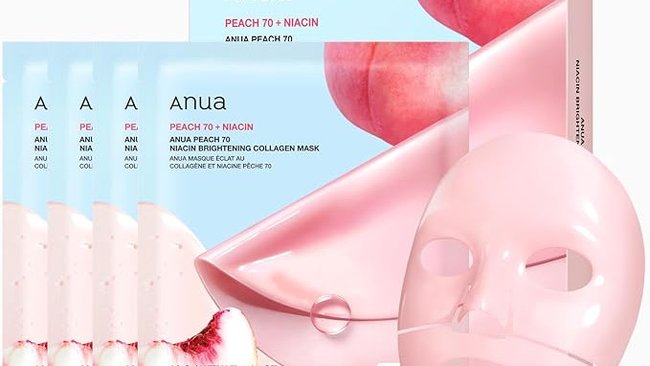
Amazon Australia ANUA Peach 70 Niacin Brightening Collagen Mask 4 pack $23.95.
Amazon Australia ANUA Peach 70 Niacin Brightening Collagen Mask 4 pack $23.95. Credit: Amazon Australia

Not random clearance items, but core hero products that sit at the centre of everyday routines, from toners and serums to moisturisers, cleansing powders and overnight masks.

The Peach collection

The ANUA Peach range is designed for skin that wants radiance without irritation.

It blends fruit-derived peach extract with niacinamide (vitamin B3) to help brighten dull skin, even tone and refine texture, while keeping hydration levels high.

The formulas are lightweight, gentle and well-suited to most skin types, including sensitive skin.

Amazon Australia ANUA Rice 70 Glow Milky Toner $39.
Amazon Australia ANUA Rice 70 Glow Milky Toner $39. Credit: Amazon Australia

Standout pieces include the Anua Peach 77 Niacin Essence Toner 250ml ($38), a cult-favourite for hydrated, luminous skin, and the ANUA Peach 70 Niacinamide Serum ($43) for brightening and smoothing without heaviness.

Layered with the Peach Niacin Conditioning Lotion ($32) and Peach Niacinamide Cream ($32), this collection creates a simple glow routine that works both morning and night.

The Peach 70 Niacin Brightening Collagen Mask 4 pack ($32) is the perfect finishing touch for event prep, tired skin days or self-care nights when your face needs instant life.

The Rice collection

ANUA’s Rice range is where traditional Korean skincare meets modern cosmetic science.

Designed to deeply hydrate, balance skin tone and strengthen the moisture barrier, this collection is ideal for anyone dealing with dryness, sensitivity or compromised skin.

The Rice Enzyme Brightening Cleansing Powder ($34) offers gentle exfoliation and deep cleansing without stripping.

ANUA’s viral Peach and Rice skincare collections now on sale for a limited time on Amazon Australia, with glow-boosting formulas Australians are racing to shop
ANUA’s viral Peach and Rice skincare collections now on sale for a limited time on Amazon Australia, with glow-boosting formulas Australians are racing to shop Credit: ANUA

The Rice 70 Glow Milky Toner ($39) is already a cult favourite for glass-skin lovers, delivering hydration and glow in one step.

Pair it with the Rice Ceramide 7 Hydrating Barrier Serum ($29) for barrier repair and long-lasting moisture.

Finish with the Rice 70 Intensive Moisturising Milk ($32) or the Rice 70 Glow Collagen Overnight Mask 4 pack ($32) for skin that looks calm, plump and well-rested by morning.

With up to 47 per cent off, this ANUA sale is the perfect chance to try viral formulas without the viral price tags.

Whether you’re building a full routine or restocking favourites, this is one of those skincare moments that genuinely feels worth shopping.

Source

From Hyatt to Holiday Inn, America’s free hotel breakfast is facing a K-shaped economic threat

0

Jeff Greenberg | Universal Images Group | Getty Images

At some point in the 1980s and 90s, the free hot breakfast became a staple of the hospitality industry. At many a Holiday Inn or Hampton Inn, the lobby at 8 a.m. is a pinwheel of pajama-clad kids, frazzled parents, and solo business travelers jockeying for position in front of the waffle maker. Meanwhile, self-serve cereal bars dispense Froot Loops and Lucky Charms, and hot platters of endless eggs and turkey sausage steam under heat lamps. For many, this breakfast spread is part of the appeal of travel. It endures to this day, but it is facing new economic threats and evolving hotel business models.

At hotels, which have been ditching items like free soaps and even bathroom doors to economize, the free breakfast is a sacred cow that some worry will not survive, increasingly seen by hotel operators as an money pit eating into the thin margins of the business. Last year, Hyatt Hotels‘ Hyatt Place brand removed free breakfast from 40 of its properties. Holiday Inn, owned by IHG, eliminated a la carte breakfast items in favor of a buffet-only model — a cost-cutting measure that preserves the breakfast buffet offering while reducing labor and food waste. 

Gary Leff, who runs the travel blog View from the Wing and first reported on Holiday Inn’s breakfast changes, said that the threat to the free breakfast should be viewed within the broader trend in the lodging industry to look for ways to cut costs for owners. “That goes far beyond breakfasts, to things like housekeeping — less often during a stay, less extensive when it’s done during a stay — to bulk toiletries rather than individual mini-bottles to eliminating products like alarm clocks in rooms,” Leff said.

Despite the free breakfast’s staying power, the math never added up for the business, according to Curtis Crimmins, the CEO and founder of boutique hotel concept Roomza. “It was a loyalty play — a loss leader meant to drive signups, repeat bookings, and extended brand loyalty. I would argue that once free breakfast makes the shift from being a ‘surprise and delight’ endearing moment to an expectation, then its days are numbered,” Crimmins said. “Looking for proof of this slow demise in your average Holiday Inn Express breakfast area? Look no further than the recent explosion of ‘Grab and Go’ options. That’s not a coincidence,” he said. 

Leff says that catering to a more affluent customer, as in the case of Hyatt Hotels, may offer operators more latitude to eliminate breakfast.

A Hyatt spokesperson said while the company has “tested breakfast options at select Hyatt Place hotels that offer guests the ability to book rates that do not include breakfast … Most Hyatt Place hotels in the U.S. continue to offer complimentary breakfast to all guests.”

Evaluations are ongoing. “As part of our ongoing commitment to delivering value to our guests, including World of Hyatt members, we are continually evaluating breakfast options that best serve our guests and our hotels,” the Hyatt spokesperson said.    

Leff says Hyatt has not released data on the trial, and many guests probably just assume breakfast will be free when they book at this point. “Unclear yet whether Hyatt can get away with not doing limited-service breakfast,” he said. 

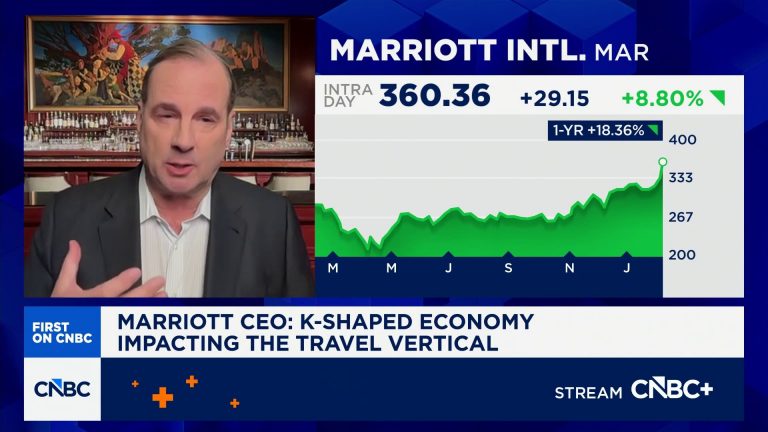
In the current economy with higher-income consumers leading the spend, luxury has been a bright spot within travel. Marriott International CEO Anthony Capuano describes the hotel business right now as being emblematic of the K-shaped economy receiving so much attention. “There are economic headwinds and some uncertainty but we continue to see the consumer prioritizing travel and experiences,” Capuano told CNBC’s “Squawk on the Street” last week after its most recent earnings. “Luxury was a real highlight for us,” Capuano said, adding that 10 percent of Marriott’s portfolio is in the luxury tier.  

Marriott CEO Anthony Capuano: The K-shaped economy is impacting the travel vertical

Marriott has made breakfast changes in some overseas luxury locations. For instance, the Regis Macao eliminated free breakfast for Platinum, Titanium, and Ambassador loyalty members as of March 2025 and replaced it with bonus points or discounted breakfast instead. Some Reddit users have posted this month about free omelettes disappearing from Marriott breakfast bars and now being part of the paid full breakfast buffet, but a Marriott spokesman said that is not a company-wide policy and, if true, would be individual hotel operators making that decision. 

The majority of travelers expect free breakfast

The consumer split is leading to a bifurcation of breakfast models, with higher-end customers going towards paid eggs benedict and homemade croissants while middle- and lower-income consumers crowd the free buffet.

To be sure, Americans like their hotel breakfast. Among guests who partake of hotel food and beverage during their stay, the vast majority (78%) eat breakfast in the hotel, according to the 2025 JD Power North America Hotel Guest Satisfaction Study. Of that 78 percent, only 8 percent is paid, primarily at upper tier hotels where the trend is taking root. 

Andrea Stokes, hospitality practice lead at JD Power, said that data suggests guests continue to rate breakfast as an important part of their hotel stay. “This proportion is even higher at limited-service upper midscale and midscale hotel brands where complimentary breakfast is typically part of the hotel brand’s standard offering,” Stokes said. 

When JD Power asks upper midscale and midscale hotel guests to rate the importance of hotel features or amenities, about half (47%) rate complimentary breakfast as “need-to-have” (versus only nice-to-have).

Jeff Greenberg | Universal Images Group | Getty Images

Mitchell Murray, CEO of Station House Inn and three other boutique hotels in Lake Tahoe, California, says while large chain hotels can offer economies of scale, free breakfast can account for roughly 5% of total revenue, closer to 6–7% once labor is included. “That’s a meaningful cost, and many operators are asking, ‘Does free breakfast actually generate 5% more revenue or bookings?’ In many cases, the answer is no,” Murray said. He added that when breakfast is free, quality often suffers — think mediocre coffee, watery eggs, frozen potatoes. “It’s edible, but rarely memorable or value-adding,” Murray said. 

One of Murray’s properties is a Holiday Inn Express which he is transitioning to an independent hotel this year and where he plans to do away with the free breakfast after the change, once freed from corporate mandates. Major hotel brand franchisors have specific brand standards that franchisees must adhere to, and this includes food and beverage standards. 

Best Western, though, has no plans to unplug the waffle iron. “Offering a complimentary breakfast is an important part of our guest experience across much of our portfolio,” said the hotel chain’s CEO Larry Cuculic. “For travelers, free breakfast simplifies the stay, delivers meaningful value and influences booking and loyalty decisions, especially in the midscale and upper-midscale segments,” Cuculic said. 

Cuculic says the economics still make sense: breakfast supports guest satisfaction and repeat business, by leveraging the purchasing power of its extensive hotel network, Best Western can help hotels manage costs while maintaining quality and consistency, “making breakfast both a friendly touchpoint for guests and a driver of long-term loyalty,” he said. 

Holiday Inn Express is also standing by the free breakfast bar. “Breakfast plays a critical role in our value proposition and continues to be a major reason why travelers choose to stay with us – it’s something they know, trust, and expect from our brand, “said Justin Alexander, vice president, global brand management for Holiday Inn Express, Staybridge Suites & Candlewood Suites. 

How changes to hotel menu will influence travel planning

Hotel breakfast factors into the travel planning of Aimee Misovich and her family. The Holland, Michigan, resident said that her family are Hilton Honors members. “So we always stay at their properties — typically, Embassy Suites, Homewood or Hampton Inn. All three still offer free hotel breakfasts,” Misovich said, adding that she likes the variety offered. 

“Homewoods began offering overnight oats and chia puddings. I do partake of the latter. Other times I’ll just have a bagel with cream cheese, or a sausage patty inside a bagel for a breakfast sandwich of sorts,” Misovich said. While she added that the quality can vary from property to property, the breakfasts are still appealing. 

“I certainly hope Hilton keeps their free breakfasts! After all, they’re not really ‘free’—I’m sure they’re factored somehow into room prices,” Misovich said. She also noted that foods she eats at hotel breakfasts are rarely ones she eats at home, “so they’re a treat to me when we travel.” 

The food and beverage offering, even if only for breakfast service, can be a key differentiator for limited-service hotel brands. “Any hotels that consider scaling back or eliminating free breakfast must focus on demonstrating value in other ways,” Stokes said. 

Rita Chaddad, a faculty member who teaches courses on tourism and hospitality management at Columbia Southern University, predicts that free breakfast will continue to be eliminated in the luxury brands but remain in some form elsewhere, though travelers should expect more changes to come. 

“Breakfast is likely to remain, but the model may become more segmented,” Chaddad said. In upper-midscale settings, hotels may be more willing to offer breakfast through credits, optional add-ons, or targeted inclusion — for example, through packages or loyalty benefits. “In these tiers, hotels may have more flexibility to replace ‘free’ with perceived value in other forms, provided it is communicated well and the guest feels the trade-off is fair,” Chaddad said. 

But she added that many of the middle-tier hotels compete on simple, visible value, and breakfast is one of the clearest signals of that value, so there is risk of backlash if it is completely eliminated. “Removing it can create a perceived loss that may outweigh operational savings, even if the hotel’s overall cost structure improves behind the scenes. For value-oriented travelers, breakfast is often interpreted as part of the ‘deal,’ and losing it can complicate the guest’s mental math when comparing properties,” Chaddad said. 

Chaddad said hotels will increasingly play with the offering, and beyond higher-tier hotels, travelers should be on the lookout for new models showing up as room-only versus breakfast-included choices, breakfast offered through packages or loyalty benefits, or other redesigned formats that control costs while keeping the benefit visible to guests. “The shift may be less about eliminating breakfast and more about adjusting who receives it, how it is delivered, and how clearly it is priced or bundled,” she said.

While some of those changes may add to the hotel bottom line, they could come with an added emotional cost. “My kids and I would be really sad if they discontinue free hotel breakfasts. It’s part of the fun of traveling,” said East Tennessee resident Joanne Peterson. 

Source
Most searched US spring break destinations for this year, with some surprises

0

NEWYou can now listen to Fox News articles!

With spring break planning underway, a few destinations are standing out nationwide.

An analysis by travel site Upgraded Points examined search activity over the past year to determine which domestic locations are generating the most interest ahead of the busy vacation period.

The review looked at search trends from January 2025 through January 2026 — and identified the top spring break destination in each state.

TOP TRAVEL DESTINATIONS GAINING BUZZ FOR 2026 TRIPS REVEALED IN NEW REPORT

The results point to a strong preference for warm weather beach towns, with several locations consistently topping search interest across multiple states.

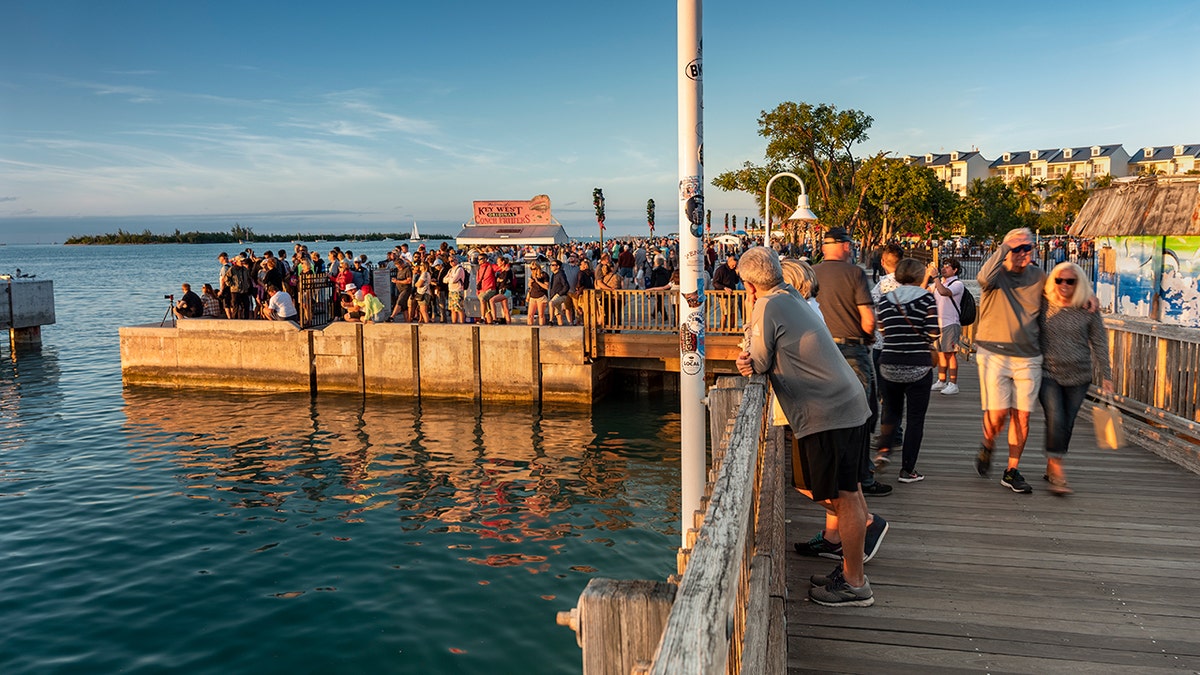
Key West, Florida, emerged as the most searched domestic spring break destination overall, according to the analysis.

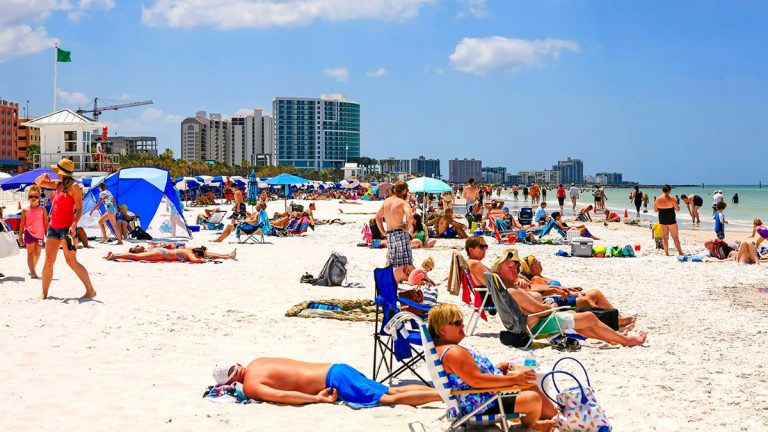
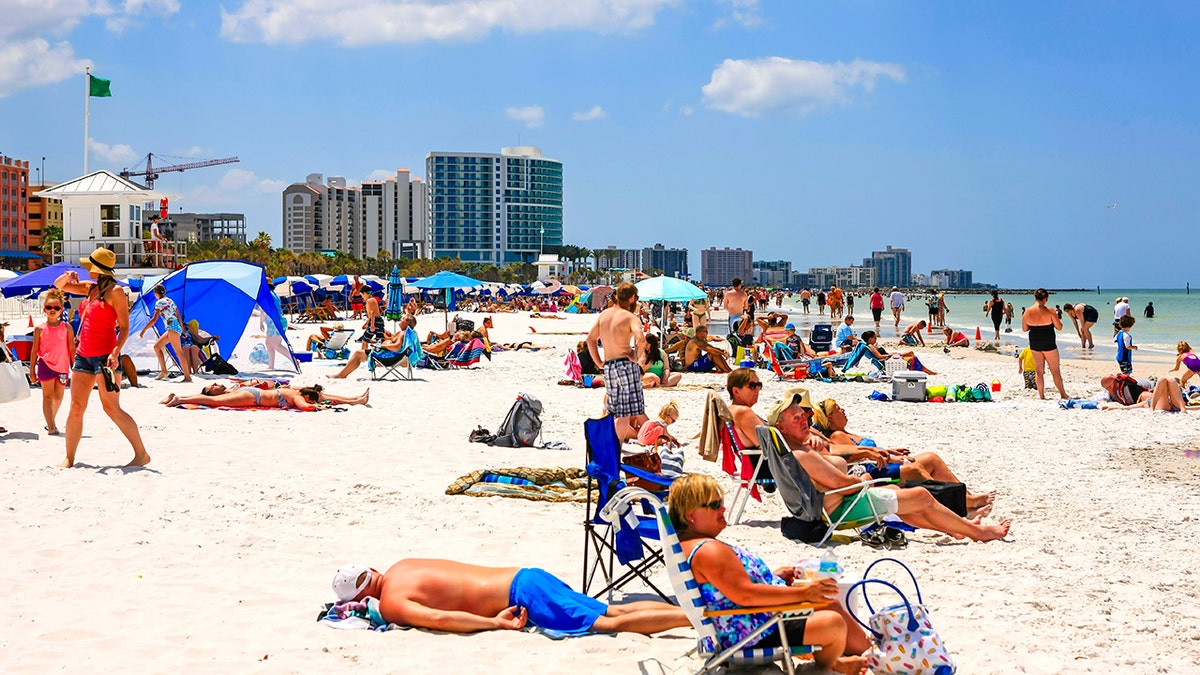
Crowded Florida beach with sunbathers, umbrellas, and beachfront high-rise hotels along the Gulf Coast.

Recent search trends highlight the domestic destinations Americans are most curious about ahead of spring break. (iStock)

The island city topped search interest in 17 states and Washington, D.C., including Connecticut, Delaware, Idaho, Maine, Maryland, Massachusetts, Michigan, New Hampshire, New Jersey, New York, Oregon, Pennsylvania, Rhode Island, Vermont, Washington, West Virginia and Wisconsin.

CLICK HERE TO SIGN UP FOR OUR LIFESTYLE NEWSLETTER

Destin, Florida, followed closely behind, leading search interest in 15 states.

The states where Destin generated the highest search interest include Alaska, Arkansas, Colorado, Illinois, Indiana, Iowa, Kansas, Kentucky, Louisiana, Mississippi, Missouri, Nebraska, Ohio, Oklahoma and Utah.

Crowded waterfront pier at sunset in Key West, Florida, with tourists gathered by the ocean.

Key West, Florida, was the most-searched domestic spring break destination nationwide. (iStock)

Taken together, the two Florida destinations account for a majority of the top domestic results.

CLICK HERE FOR MORE LIFESTYLE STORIES

Outside of Florida, South Padre Island in Texas also drew significant interest, emerging as the most searched destination in five states, including Minnesota, New Mexico, North Dakota, South Dakota and Wyoming.

Lake Havasu, Arizona, also generated strong search activity, ranking first in Arizona, California and Nevada.

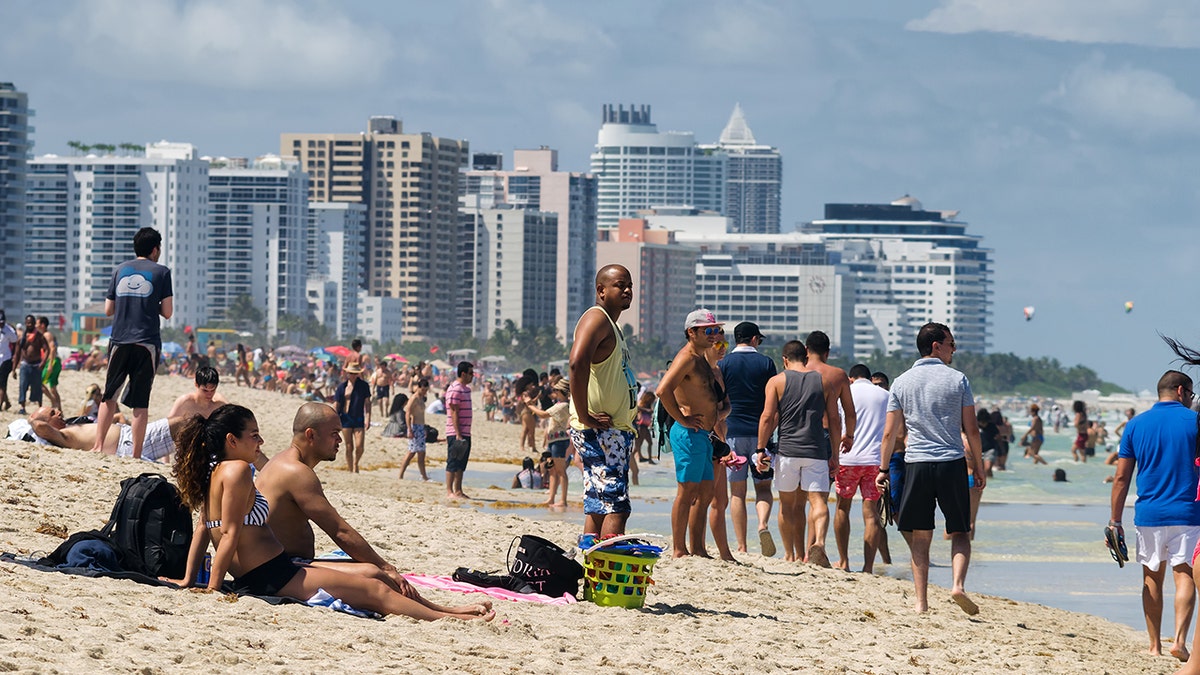
Crowded Miami Beach shoreline with sunbathers and swimmers in front of high-rise hotels and condos.

Outside Florida, South Padre Island topped searches in five states, while Lake Havasu led in Arizona, California and Nevada. (iStock)

Panama City Beach, Florida, and Myrtle Beach, South Carolina, rounded out the list, each emerging as a favorite in two states.

TEST YOURSELF WITH OUR LATEST LIFESTYLE QUIZ

The study also revealed which destinations residents preferred when several in-state options were included.

In Florida, Orlando generated more search interest than coastal destinations such as Key West, Destin and Panama City Beach, suggesting that theme parks and city-based attractions remain strong draws alongside beach vacations.

CLICK HERE TO DOWNLOAD THE FOX NEWS APP

In Texas, Galveston outpaced other in-state beach destinations.

Source