Friday, June 12, 2026
Google search engine
Home Blog Page 13

Airlines are struggling but China’s ‘Big Three’ face a tougher year than most

0

ZHENGZHOU, CHINA – MAY 16: China Southern Airlines aircraft are seen parked at Zhengzhou Xinzheng International Airport on May 16, 2026, in Zhengzhou, Henan Province, China.

Cheng Xin | Getty Images News | Getty Images

China’s biggest airline stocks have suffered more than others since the war in Iran began, as a combination of factors weighs them down.

The country’s carriers — which swung to a quarterly profit in the beginning of 2026 — are caught in a pincer of higher fuel costs and a price-wary domestic market being eroded by high-speed rail. Jet fuel prices soared after the U.S. and Israel launched attacks on Iran in February.

And while many global peers are hedged against swings in fuel prices, Chinese airlines hedge little of their fuel purchases, making them vulnerable to a harder hit from the prolonged rise in oil prices.

The so-called “Big Three” — Air China, China Eastern and China Southern Airlines — together account for the bulk of domestic capacity and are expected to record a combined net loss of 22 billion yuan ($3.2 billion) in 2026, swinging back into the red after the profitable first quarter, according to HSBC analysts.

Their share priced have fallen around 30% since the war began, among the worst performers in the region, according to LSEG data. Singapore Airlines shares were down 9% as of Thursday over the same period, Korean Air Lines slipped 7%, Japan Airlines down 20%, and ANA Holdings 18%.

Which airlines are being hurt worse by the Iran war — Chinese or Indian carriers?

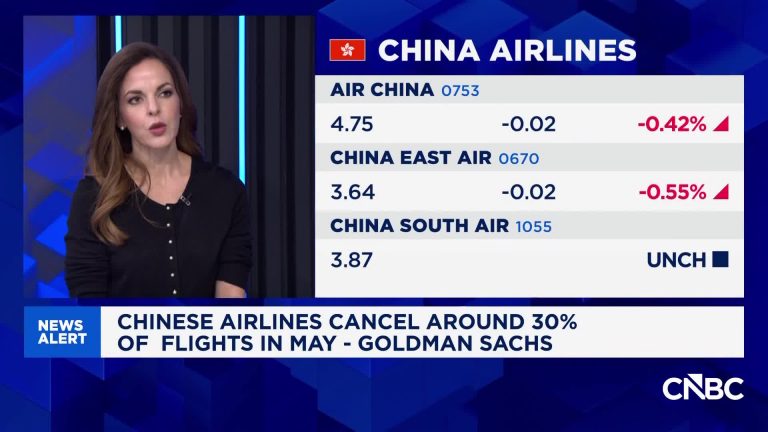
The surging costs have triggered a wave of international and domestic flight cancellations. Multiple carriers have reduced or suspended international flight services since the outbreak of the war. And during the week ending May 14, domestic passenger flights in China fell 12.7% year-on-year while cancellation rates hit nearly 30%, both sharply worse than seasonal norms, according to Goldman Sachs.

Jet fuel prices increased worldwide after the Iran war started, most of all in Asia-Pacific. Platts, a widely used jet fuel Singapore benchmark, climbed from $93 per barrel in late February to a record $242 per barrel in late March. Prices have since moderated to $163 per barrel, which is still achingly high for the notoriously thin-margined aviation industry.

The Chinese government helps to regulate jet fuel rates, though prices are still linked to international crude oil rates. The country’s ex-factory jet fuel rates surged 74% in April, according to HSBC.

Prices surge, cancellations soar

To cope, many airlines are passing costs along to passengers in the form of higher airfares, fuel surcharges, and higher baggage fees.

Starting April 5, Chinese airlines raised domestic fuel surcharges to 60 yuan for flights under 800 kilometers and 120 yuan for longer routes — up from 10 yuan and 20 yuan previously. A further increase took effect May 16, pushing short-haul surcharges to 90 yuan and long-haul to 170 yuan — a 50% and 42% rise respectively on top of the sixfold April adjustment.

But analysts say this won’t fully absorb the fuel cost shock.

“The fare increases required to fully offset higher fuel expenses are too large to be realistically achieved, particularly in a highly price-sensitive and competitive environment,” said Jason Sum, analyst at DBS Group Research.

Chinese carriers can legally pass through up to 80% of fuel-price increases. Yet, HSBC estimates the Big Three are likely only recouping around 60% of these costs.

“In practice, they often choose not to use the full allowance because doing so could materially weaken demand,” said Parash Jain, HSBC’s global head of transport and logistics research.

The bank estimates that every 10% increase in jet fuel prices would widen the Big Three’s combined losses in 2026 by 38%, “further decoupling the Big 3 from global peers with robust pricing power and hedging strategies.”

Compelling railway alternative

China’s expanding high-speed rail network also undercuts domestic carriers on prices across many key routes, with analysts warning that aggressive fuel surcharges risk demand destruction and China faces that constraint more acutely than most peers.

Passengers wait to board a train at Tengzhou East Railway Station in Tengzhou, east China’s Shandong Province, May 5, 2026.

Li Zhijun | Xinhua News Agency | Getty Images

Southeast Asian markets such as Indonesia and the Philippines have cost-conscious travelers but minimal rail alternatives. While Indonesia has a cap on jet fuel surcharges and deployed temporary subsidies to cushion the shock, airlines there still retain greater pricing power.

Japan and Europe have expansive rail networks, but retain stronger airline pricing power due to stronger consumer spending power and route economics.

India, which has similar demand sensitivity, has seen its airline sector boom partly because high-speed options barely exist.

Indian Railways Minister Ashwini Vaishnaw last week warned at a summit that corridors such as Mumbai-Pune, Hyderabad-Bengaluru, and Bengaluru-Chennai would become “99% dominated by railways.”

Hedging gap

Chinese carriers also lack fuel hedges, leaving them fully exposed to oil price swings.

Why Singapore Airlines is still backing Air India despite an 'awful year': Analyst

China Eastern was the only one of the nation’s Big Three state-owned carriers to manage jet fuel price risk through hedging in 2025. Even that position was thin, according to DBS’s Sum. Air China and China Southern entered the fuel shock with essentially no hedging.

That put Chinese carriers at a disadvantage against better-hedged international peers. Singapore Airlines booked a S$218 million ($170 million) gain from fuel hedging in the second half of its financial year ending March 31.

Hedging doesn’t help with jet fuel shortages, which are hitting Asian carriers the hardest, Willie Walsh, head of the International Air Transport Association, told CNBC in April. Chinese carriers aren’t as affected by the shortage as other Asian airlines, however, owing to vast oil reserves and the country’s status as a jet fuel refiner and exporter.

Who is suffering the most?

As to which Asian airlines are suffering the most, it may be a toss-up between Indian and Chinese carriers.

“In the near term, Indian airlines appear more vulnerable given currency weakness and higher exposure to the Middle East region,” said HSBC’s Jain. “However, over the medium term, we think Chinese carriers are worse off. Indian airlines face less direct substitution from rail and can pass through more of the fuel cost.”

However, Chinese carriers ultimately have the backing of the Chinese government.

“State-owned entities will remain resilient and can continue to raise equity to support their balance sheets, which makes them less vulnerable to bankruptcy than similarly exposed private global carriers,” said Jain.
Choose CNBC as your preferred source on Google and never miss a moment from the most trusted name in business news.

Source

Kelun-Biotech to Present Two Registrational Studies in the Oral Presentation Session on Non-Small Cell Lung Cancer at ASCO 2026

0
  • Sacituzumab tirumotecan (sac-TMT)(佳泰莱®) plus pembrolizumab versus pembrolizumab as first-line treatment for PD-L1 positive advanced NSCLC: Results from the randomized, controlled, registrational Phase III OptiTROP-Lung05 study (Abstract #8506)
  • Efficacy and safety of lunbotinib fumarate (A400/EP0031,宁泰莱®[1]), a next-generation selective RET inhibitor (SRI), from a pivotal registrational Phase Ⅱ study in patients with advanced RET-fusion positive NSCLC (Abstract #8505)

CHENGDU, China, May 22, 2026 /PRNewswire/ — The 2026 American Society of Clinical Oncology (ASCO) Annual Meeting will be held in Chicago from May 29 to June 2, local time. Two registrational studies of the trophoblast cell-surface antigen 2 (TROP2)-directed antibody drug conjugate (ADC) sacituzumab tirumotecan (sac-TMT)(佳泰莱®) and the next‑generation selective rearranged during transfection (RET) inhibitor lunbotinib fumarate (A400/EP0031,宁泰莱®) from Sichuan Kelun-Biotech Biopharmaceutical Co., Ltd. (“Kelun-Biotech” or the “Company”, 6990.HK) have been selected for oral presentation session on Lung Cancer – Non-Small Cell Metastatic. The full text of the related abstracts were published on the ASCO official website[2] on May 21, 2026, local time. Key highlights are summarized as follows:

Study 1

Sacituzumab tirumotecan (sac-TMT) plus pembrolizumab versus pembrolizumab as first-line treatment for PD-L1 positive advanced non-small cell lung cancer (NSCLC): Results from the randomized, controlled Phase III OptiTROP-Lung05 study, to be presented as an oral presentation scheduled on May 29, 2026, 3:12 PM-3:24 PM CDT (Abstract #8506: Lung Cancer – Non-Small Cell Metastatic)

A total of 413 patients with previously untreated locally advanced or metastatic NSCLC without epidermal growth factor receptor (EGFR) or anaplastic lymphoma kinase (ALK) alterations and with programmed death ligand 1 (PD-L1) positive (defined as tumor proportion score (TPS) ≥1%), covering both squamous and non‑squamous histologies, were enrolled and randomized (1:1) to receive sac-TMT (4mg/kg Q2W) plus pembrolizumab (400mg Q6W) or pembrolizumab monotherapy (400mg Q6W). The primary endpoint was progression‑free survival (PFS) assessed by blinded independent central review (BICR), and the key secondary endpoint was overall survival (OS). As of September 29, 2025, the median follow-up was 10.5 months.

The results demonstrated that:

  • Significant PFS improvement: PFS assessed by BICR was significantly improved in the sac-TMT plus pembrolizumab group compared with the pembrolizumab group, with a median PFS of not reached (NR) versus 5.7 months (hazard ratio (HR)=0.35; 95% confidence interval (CI): 0.26–0.47; p<0.0001).
  • Substantially higher response rate: The objective response rate (ORR) assessed by BICR was 70.2% in the sac-TMT plus pembrolizumab group versus 42.0% in the pembrolizumab group.
  • Positive OS trend though immature (HR=0.55; 95% CI: 0.36–0.85).
  • Consistent benefit across prespecified subgroups: the HR for PFS in patients with PD-L1 TPS 1-49% and TPS ≥ 50% were 0.28 (95% CI, 0.19-0.41) and 0.47 (95% CI, 0.29-0.77), respectively; the HR for PFS in patients with non-squamous and squamous NSCLC were 0.28 (95% CI, 0.18-0.43) and 0.44 (95% CI, 0.29-0.66).

In terms of safety, grade≥ 3 treatment-emergent adverse events (TEAEs) occurred in 55.3% of patients in the sac-TMT plus pembrolizumab group versus 31.4% in the pembrolizumab group. TEAEs leading to permanent discontinuation of sac-TMT and pembrolizumab occurred in 3.8% and 5.3% of patients, respectively, while TEAEs leading to permanent discontinuation occurred in 4.9% of patients in the pembrolizumab group.

OptiTROP-Lung05 is the first Phase III clinical study demonstrating a significant improvement in PFS and a positive trend in OS with an ADC combined with pembrolizumab compared to pembrolizumab in first-line treatment for PD-L1 positive advanced NSCLC. Based on these results, a supplemental New Drug Application (sNDA) for this combination regimen has been accepted for review and included in the priority review and approval process by the National Medical Products Administration (NMPA) in China.

Study 2

Efficacy and safety of lunbotinib (A400/EP0031), a next-generation selective RET inhibitor (SRI), from a pivotal phase Ⅱ study in patients with advanced RET-fusion positive non-small cell lung cancer (NSCLC), to be presented as an oral presentation scheduled on May 29, 2026, 2:36 PM-2:48 PM CDT (Abstract #8505: Lung Cancer – Non-Small Cell Metastatic)

As of October 29, 2025, 71 patients with prior platinum-based chemotherapy and immunotherapy (pre-treated patients) and 92 patients who had not received prior systemic therapy (treatment-naïve patients) were enrolled, with median follow-up of 22.6 and 20.7 months.

The study demonstrated that:

  • Independent Review Committee (IRC)-assessed confirmed ORR was 87.1% (95% CI: 77.0-93.9) in pre-treated patients and 81.3% (95% CI: 71.8-88.7) in treatment-naïve patients;
  • Median PFS was 27.5 months in pre-treated patients (immature) and NR in treatment-naïve patients, with 24-month PFS rates of 52.1% and 59.9%, respectively;
  • Median OS was not reached in either group, with 24-month OS rates of 65.7% in pre-treated patients and 74.1% in treatment-naïve patients.
  • Among patients with baseline brain metastases (23 pre-treated, 16 treatment-naïve), ORR was 82.6% and 75.0%, respectively, and 6 patients in each cohort had complete intracranial response.

The safety profile was manageable, with no new signals identified. Grade ≥ 3 treatment-related adverse events (TRAEs) occurred in 40.5% of patients. Only two patients (1.2%) permanently discontinued treatment due to TRAEs. No fatal TRAEs occurred.

Based on the results of this study, the new drug application (NDA) for lunbotinib fumarate for the treatment of adult patients with RET fusion-positive locally advanced or metastatic NSCLC has been accepted for review by the NMPA.

About sac-TMT(佳泰莱®)

Sac-TMT, a core product of the Company, is a novel human TROP2 ADC in which the Company has proprietary intellectual property rights, targeting advanced solid tumors such as NSCLC, breast cancer (BC), gastric cancer (GC), gynecological tumors and genitourinary tumors, among others. Sac-TMT is developed with a unique, bifunctional linker that maximizes payload delivery to tumor cells both through its irreversible connection with the anti-TROP2 monoclonal antibody sacituzumab and its pH-sensitive cleavage from a belotecan-derivative topoisomerase I inhibitor payload in the lysosome, with a drug-to-antibody-ratio (DAR) of 7.4. Sac-TMT specifically recognizes TROP2 on the surface of tumor cells by recombinant anti-TROP2 humanized monoclonal antibodies, which is then endocytosed by tumor cells and releases the payload KL610023 intracellularly. KL610023, as a topoisomerase I inhibitor, induces DNA damage to tumor cells, which in turn leads to cell-cycle arrest and apoptosis. In addition, it also releases KL610023 in the tumor microenvironment. Given that KL610023 is membrane permeable, it can enable a bystander effect, or in other words kill adjacent tumor cells.

In May 2022, the Company licensed the exclusive rights to MSD (the tradename of Merck & Co., Inc, Rahway, NJ, USA) to develop, use, manufacture and commercialize sac-TMT in all territories outside of Greater China (which includes Mainland China, Hong Kong, Macao and Taiwan).

To date, four indications for sac-TMT have been approved and marketed in China for: 1) unresectable locally advanced or metastatic triple‑negative breast cancer (TNBC) who have received at least two prior systemic therapies (at least one of them for advanced or metastatic setting); 2) EGFR mutant-positive locally advanced or metastatic non-squamous NSCLC following progression on EGFR–tyrosine kinase inhibitor (EGFR-TKI) therapy and platinum-based chemotherapy; 3) EGFR mutant-positive locally advanced or metastatic non-squamous NSCLC who progressed after treatment with EGFR-TKI therapy; 4) unresectable or metastatic hormone receptor-positive (HR+)/human epidermal growth factor receptor 2-negative (HER2-) (Immunohistochemistry (IHC) 0, IHC 1+ or IHC 2+/In Situ Hybridization (ISH)-) BC who have received prior endocrine therapy and at least one line of chemotherapy in advanced setting. The first two indications above have been included in China’s National Reimbursement Drug List (NRDL). This inclusion is expected to bring clinically meaningful benefits to a greater number of patients with BC and NSCLC. Additionally, sac-TMT has been granted six Breakthrough Therapy Designations (BTDs) by the NMPA.

Sac-TMT is the world’s first TROP2 ADC drug approved for marketing in lung cancer.  A new indication application for sac-TMT in combination with pembrolizumab (KEYTRUDA®[3]) as first‑line treatment for locally advanced or metastatic NSCLC who have PD-L1 TPS≥1% and are EGFR-negative and ALK-negative has been accepted for review by the NMPA, and has entered the priority review and approval process. As of today, Kelun-Biotech has initiated 9 registrational clinical studies in China. MSD is evaluating 17 ongoing global Phase III clinical studies of sac-TMT as a monotherapy or in combination with pembrolizumab or other anti-cancer agents for several types of cancer. These studies are sponsored and led by MSD.

About Lunbotinib Fumarate (A400/EP0031,宁泰莱®)

Lunbotinib fumarate is a novel, next-generation selective RET inhibitor for NSCLC, medullary thyroid cancer (MTC) and other solid tumors with a high prevalence of RET alterations. The NDA of lunbotinib fumarate has been accepted for review by the NMPA of China for the treatment of adult patients with RET-fusion positive locally advanced or metastatic NSCLC. The Company is also conducting a Phase Ib/II clinical study in China for the treatment of RET-positive solid tumors.

In March 2021, the Company granted Ellipses Pharma Limited, a U.K.-based international oncology drug development company, an exclusive license to develop, manufacture and commercialize this agent outside Greater China and certain Asian countries. In April 2024, lunbotinib fumarate was cleared by the Food and Drug Administration (FDA) to progress into a Phase II clinical trial (NCT05443126) which is currently recruiting in the United States, United Kingdom, Europe and United Arab Emirates, where it is being evaluated as a monotherapy and in combination with chemotherapy in RET fusion positive advanced NSCLC.

About Kelun-Biotech

Kelun-Biotech (6990.HK) is a holding subsidiary of Kelun Pharmaceutical, which focuses on the R&D, manufacturing, commercialization and global collaboration of innovative biological drugs and small molecule drugs. Kelun-Biotech focuses on major disease areas such as solid tumors, autoimmune, and metabolic diseases, and in establishing a globalized drug development and industrialization platform to address the unmet medical needs in China and the rest of world. Kelun-Biotech is committed to becoming a leading global enterprise in the field of innovative drugs. At present, Kelun-Biotech has more than 30 ongoing key innovative drug projects, of which 4 projects have been approved for marketing, 1 project is in the NDA stage and more than 10 projects are in the clinical stage. Kelun-Biotech has established one of the world’s leading proprietary ADC and novel DC platforms, OptiDC™, and has 2 ADC projects approved for marketing, and multiple ADC and novel DC assets in clinical or preclinical research stage. For more information, please visit https://en.kelun-biotech.com/.

Source

Touching Hearts Through Cinema — Chinese Film “My World Without Me” Earns High Praise at Cannes

0

79th Festival de Cannes • Spotlight on Chinese Cinema • China Pavilion

CANNES, France, May 21, 2026 /PRNewswire/ — On May 14 (local time), the Chinese film My World Without Me, directed by Tian Hairong, was screened at the Palais des Festivals in Cannes. Selected for the International Promotional Screening Unit of the 79th Festival de Cannes, the film garnered warm applause and high praise from audiences around the world, as well as invaluable feedback and insights.

The creative team of "My World Without Me" at the China Pavilion panel — "The Power of Images and Care for the Soul" — at the 79th Festival de Cannes.
The creative team of “My World Without Me” at the China Pavilion panel — “The Power of Images and Care for the Soul” — at the 79th Festival de Cannes.

Following the screening, the film’s creative team joined a themed panel at the China Pavilion titled “The Power of Images and Care for the Soul,” engaging in a heartfelt dialogue with filmmakers and audiences from across the globe on the themes of life and adversity — resonating deeply with the tender hearts of people from all cultural backgrounds. The panel was hosted by China Film Foundation & China Film Association and organized by China Film Foundation • Wutianming Film Fund.

About the Film and Its Creative Team

My World Without Me is directed and headlined by Tian Hairong, with Zhang Hanyu serving as executive producer for the first time. The film was crafted over nearly seven years with exceptional care and dedication. It focuses on the contemporary community of people with hidden depression, conveying love and hope through the quiet spaces of daily life and the gentle light found in ordinary moments. Confronting suffering head-on, the film exemplifies the restrained aesthetics and humanistic warmth characteristic of Chinese realist cinema, offering an Eastern perspective on mental health narratives.

Tian Hairong is a graduate of the Performance Department of the Shanghai Theatre Academy and a renowned actress and producer in mainland China. She received the Golden Deer Award for Best Actress at the Changchun International Film Festival for Romantic Girl, the Best Actress award at the Nordic International Film Festival for The Spirit of a Generation: Tang Qunying, and the Best Supporting Actress award at the 12th Macao International Film Festival. Tian expressed her hope that through international platforms such as Cannes, the world will come to feel the warmth and depth of Chinese cinema.

International Recognition

French director Frédéric Oberlin praised the film for using a uniquely Eastern mastery of emotion to deliver silent feelings directly to the heart. Sinologist Luisa Prudentino noted after viewing the film that its sincere emotional core transcends cultural barriers, protecting the dignity of life and becoming a warm thread of empathy connecting different civilizations.

The film is set to continue participating in further international film festivals, using the power of cinema to build bridges of cultural communication and to help Chinese stories reach the world in a manner rich with humanistic care.

Source

Archaeologists uncover massive ancient site during rail project, including rare Roman find

0

NEWYou can now listen to Fox News articles!

Archaeologists in Central Europe have uncovered more than 1,000 ancient artifacts ahead of railway construction, including a rare Roman-era tool used to make metal wire.

The news was announced in an April press release from the Archaeological Center Olomouc (ACO), a research institution in the Czech Republic.

The finds were made along a roughly three-quarter-mile stretch that will serve as part of a high-speed railway between Nezamyslice and Kojetín, two Czech towns in the Haná River valley.

TREASURE TROVE OF PRICELESS CELTIC GOLD AND SILVER COINS UNEARTHED AT ‘SECRET’ EUROPEAN SITE

The discoveries span from the Early Bronze Age to the Roman era. Excavations were carried out between April and October 2025.

Nikola Jandová, a spokesperson for ACO, said in a statement that the site “ranks among exceptionally rich settlement complexes in this part of the Haná region.”

Aerial of site next to Roman drawplate

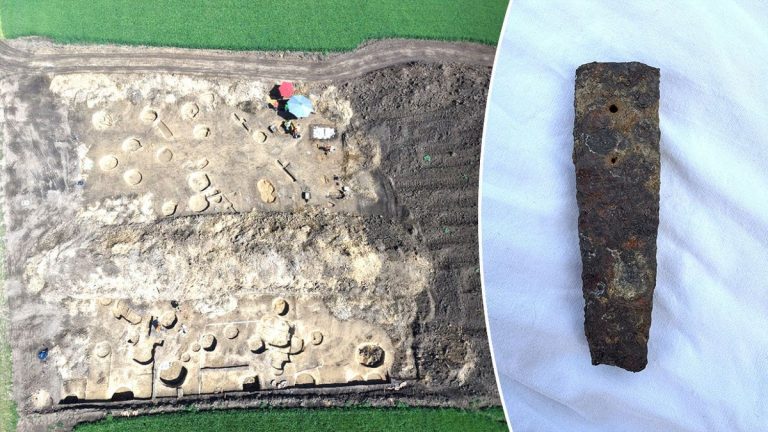
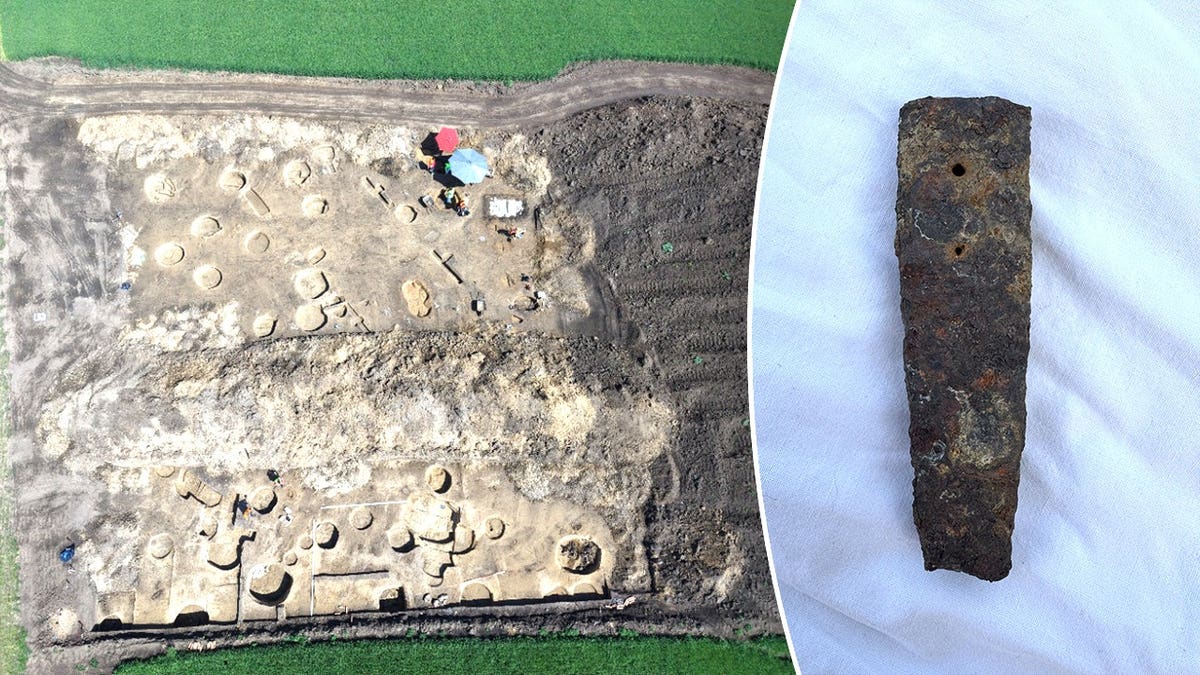
Archaeologists in the Czech Republic uncovered more than 1,000 artifacts spanning multiple eras during railway construction work. Seen right, a Roman drawplate. (Archaeological Centre Olomouc, Andrea Šindlerová)

Remains from two Bronze Age cultures — the Věteřov and Urnfield cultures — were found, along with evidence of the Iron Age La Tène culture.

The earliest settlement dates to the Věteřov culture, with archaeologists uncovering the remains of wooden homes. The Věteřov and Urnfield cultures lived in the area in roughly 1800-1500 B.C. and 1300-800 B.C., respectively.

ANCIENT ROMAN FORT YIELDS 2,000-YEAR-OLD FRUIT THAT SURVIVED THE CENTURIES, PLUS OTHER TREASURES

“Following destructive fires, fragments of wall plaster survived as reddened fired clay, known as daub,” the statement noted.

“Some fragments show smoothed surfaces with traces of external decoration, while others preserve impressions of wattle on the inner side.”

“These finds … indicate the presence of a specialized bronze-working workshop.”

Archaeologist Pavel Moš said in a statement that the details of the houses were preserved in the daub, with some surface finishing traces still visible.

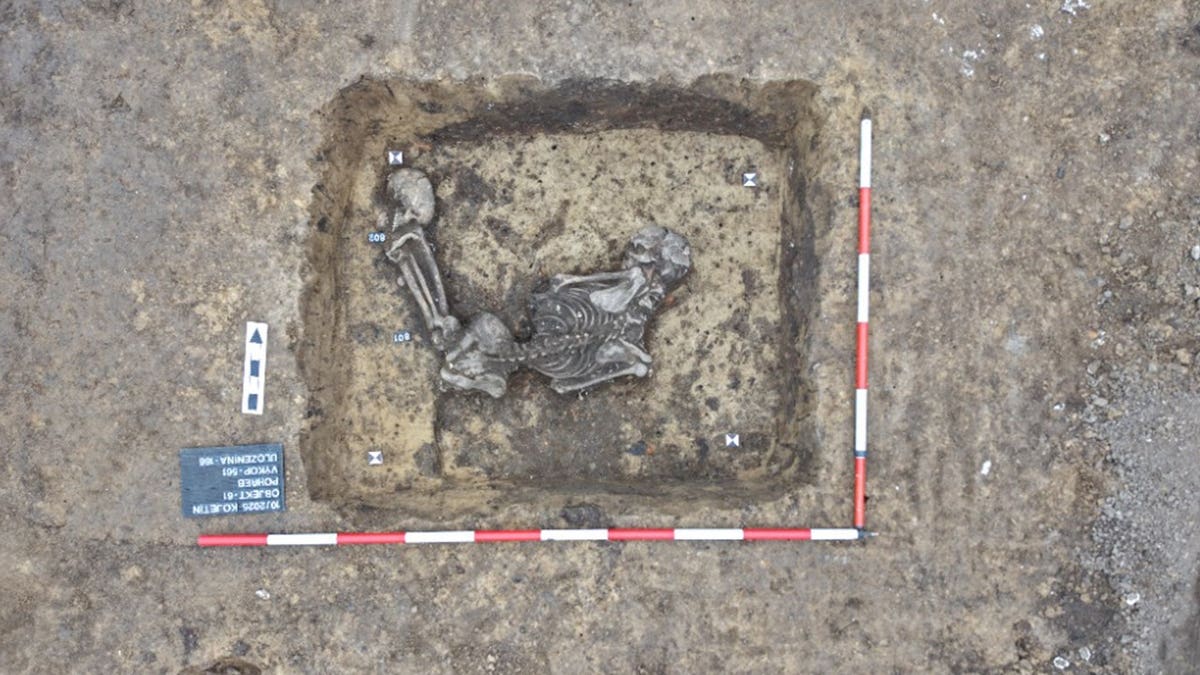
Excavators also found two Věteřov graves, including one containing an adult and a child, which will undergo analysis.

CLICK HERE TO SIGN UP FOR OUR LIFESTYLE NEWSLETTER

Among the Urnfield culture remains, archaeologists unearthed four graves — as well as one with six human skulls “found placed side by side within the fill of the feature.”

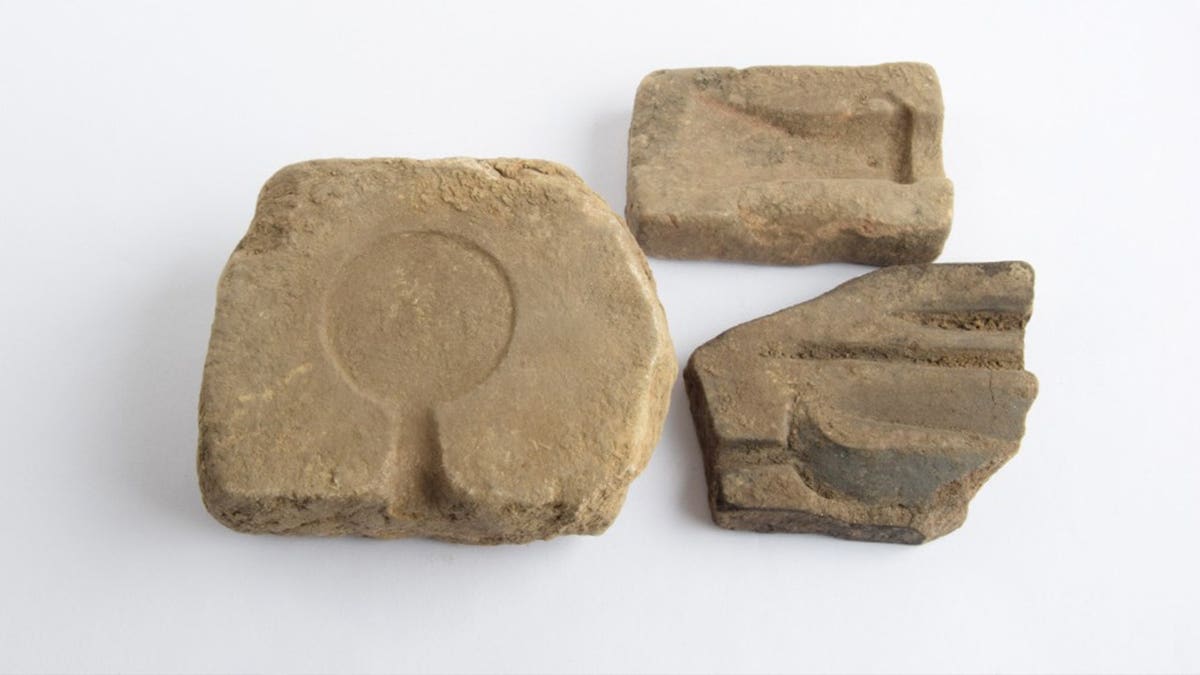
They also found crucible fragments and stone molds used to craft bronze objects, as well as a small assemblage of bronze artifacts, including axes, pins, a bracelet and a knife.

Aerial birds eye view of construction site with various pits

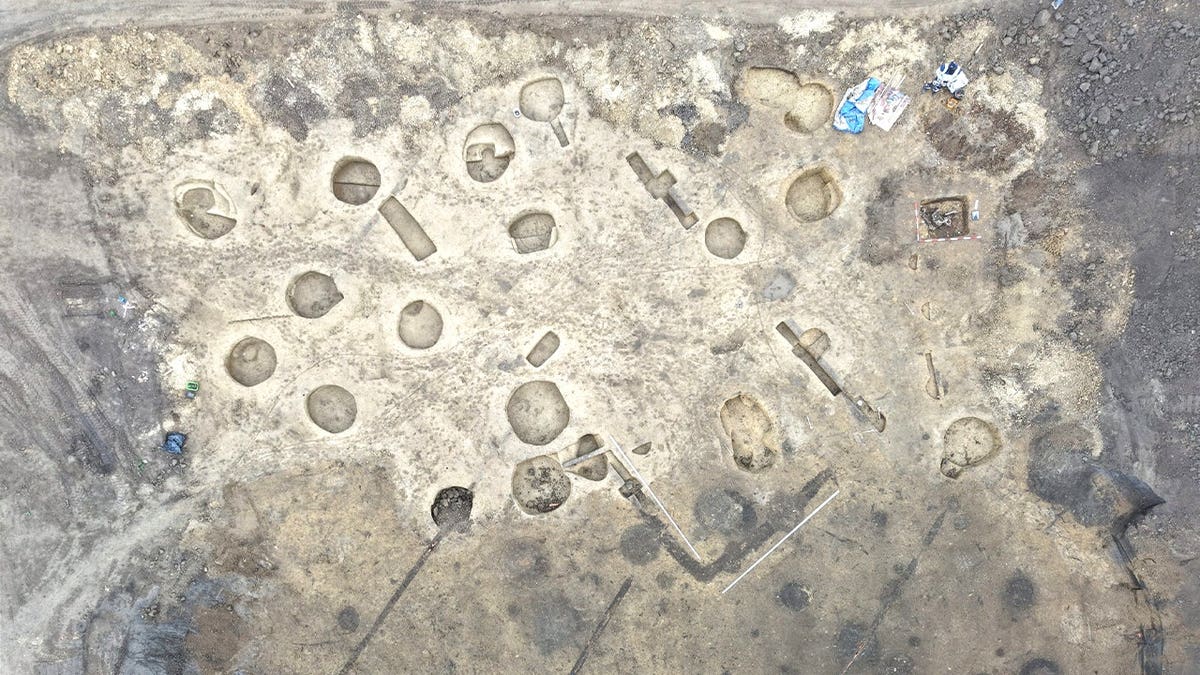
Excavations along a planned high-speed rail route revealed remains from the Bronze Age through the Roman era. (Archaeological Centre Olomouc, Andrea Šindlerová)

“These finds date to the end of the Bronze Age and the Early Iron Age and indicate the presence of a specialized bronze-working workshop,” the statement read.

Archaeologists also uncovered a lime kiln, likely used by Germanic tribes during the Roman era for wall finishing or pottery decoration in the first to fourth centuries A.D.

CLICK HERE FOR MORE LIFESTYLE STORIES

The most unusual artifact was a Roman drawplate used to pull and thin the metal wire, officials said.

The discovery is considered rare in Central Europe.

View of ancient stone molds found at site

Archaeologists uncovered stone molds used to shape bronze objects, pointing to specialized metalworking at the site. (Archaeological Centre Olomouc, Andrea Šindlerová)

Though the drawplate is considered well-preserved, archaeologist Pavel Moš noted that “corrosion residues are present in its perforations, and traces of drawn metal wires may be preserved.”

He added, “The drawplate will be subjected to spectrometric analysis to determine the material of the wire.”

CLICK HERE TO DOWNLOAD THE FOX NEWS APP

The draw wire, he went on, “could have been used, for example, in the production of chain mail.”

All artifacts will undergo lab analysis and preservation, with results expected to be released over time.

View of skeleton in pit burial

Excavators found graves linked to the Věteřov culture, including one burial containing both an adult and a child. (Archaeological Centre Olomouc, Andrea Šindlerová)

Fox News Digital reached out to ACO for additional information.

The latest discovery follows a similar one made by ACO archaeologists in the Czech Republic.

TEST YOURSELF WITH OUR LATEST LIFESTYLE QUIZ

Last year, officials announced they found multiple military graves during highway construction, with the oldest grave dating to the 1745 Battle of Žďár during the Second Silesian War.

Source

Adelaide Crows cop ribbing for using heater on the bench during Tasmania game

0

AFL commentators have been left in shock after spotting an unusual addition to the Adelaide Crows’ bench during a chilly Thursday night at UTAS Stadium in Tasmania.

Star Seven caller Brian Taylor — a famous hard man back in his day — could not believe what he was seeing when the players on the bench were spotted next to a heater.

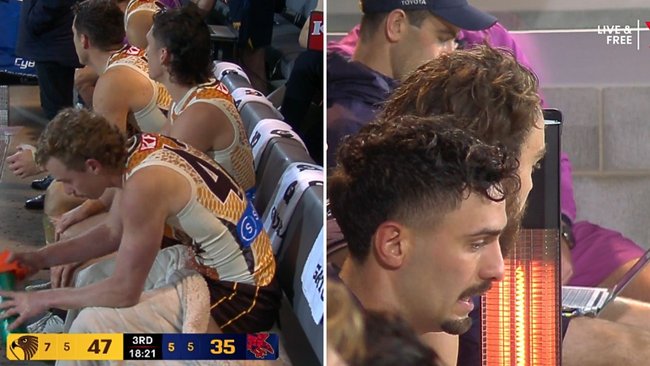
“Have a look at that heater on the Crows bench,” 7NEWS chief AFL reporter Mitch Cleary pointed out in the first quarter of the Crows’ clash with Hawthorn.

Know the news with the 7NEWS app: Download today Arrow

“Right now we’re seven and a half degrees. (7NEWS weather expert) Jane Bunn tells me we’re going to get down to 4C as the game progresses, but the Crows are prepared tonight. They’ve brought their own heater.”

BT was in immediate shock.

“Oh, please. Is that for the staff or the players? Surely that’s not for the players,” Taylor said, while Cleary noted that key forward Riley Thilthorpe was “pretty close to it”.

Hawthorn players used an electric blanket on the bench, while the Crows kept warm with a plug-in heater.
Hawthorn players used an electric blanket on the bench, while the Crows kept warm with a plug-in heater. Credit: Seven

Taylor: “Please. I’ve seen it all now. I’m shocked to see a heater on the bench. I’ve got to say, this is absolutely out of control.”

The Crows doctor later confirmed the heater was indeed for staff and to help keep the players warm.

“I’ve heard of buckets of hot water, I’ve heard of hand warmers, a hot water bottle … the electric blanket will be there next,” Taylor said.

Luke Hodge noted that English Premier League clubs have seat warmers for their players, but Taylor was having none of it.

Taylor: “Well, we have those in our car … Unbelievable. What is wrong with a dressing gown? I can see (Hamish McLachlan) as a dressing gown sort of guy.”

Back in Taylor’s playing days players did in fact wear dressing gowns when they were on the bench.

Cleary also revealed that the Crows’s had an interesting start to the game.

“All year the Crows have been worried about their starts to games. A few weeks ago, (coach) Matthew Nicks joked that they were stuck on the bus to start the game.,” Cleary said

“Well, tonight they literally were (stuck on a bus). A separate car crash in town forced the Crows players to walk the last couple of 100 meters to the ground. it might be the omen they needed.”

To be fair to Adelaide, they weren’t the only ones going to extra lengths to stay warm.

Hawthorn players — who were on the bench — were had an electric blanket across their legs.

Source

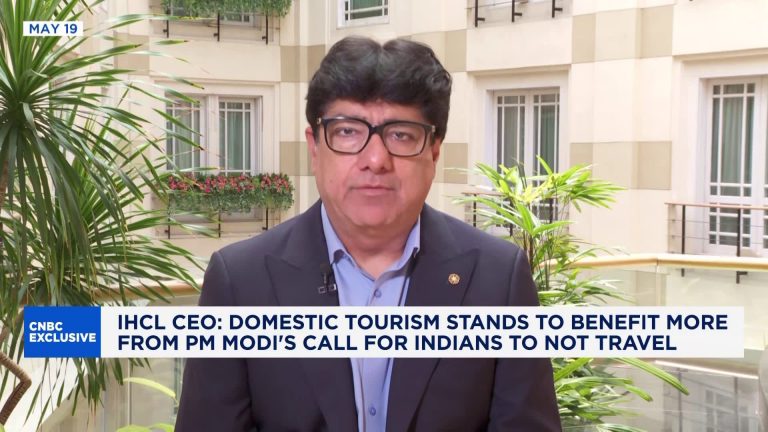
Room rates could increase between 8-12% amid strong demand, says Taj Hotels owner IHCL

0

Share

Puneet Chhatwal, Managing Director and CEO at Indian Hotels Company Ltd says weddings in India could see a major boost as more Indians opt for domestic celebrations instead of overseas destination weddings. He adds that strong demand continuing to outpace supply is allowing hotels to raise room rates and absorb higher costs without hurting margins.

05:02

6 hours ago

Source

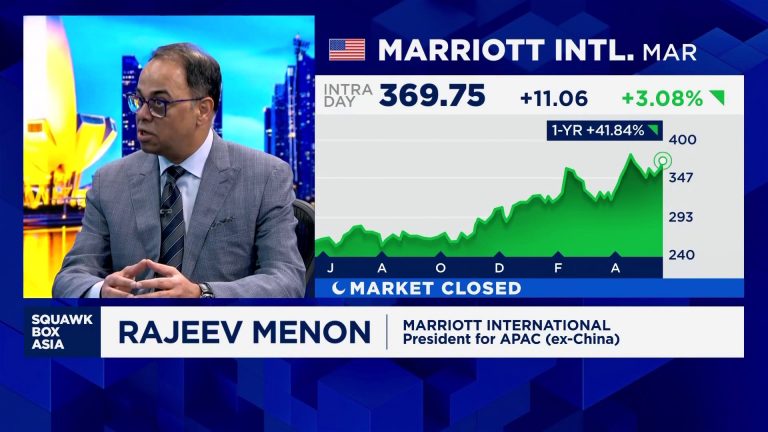
Despite Iran war, hotel demand is now back on track, says Marriott APAC President

0

Share

Travelers from abroad cancelled hotel bookings in Asia-Pacific after the Iran war started, says Rajeev Menon, Marriott International’s APAC President (excluding China). But demand is back on track, as more APAC travelers book trips in Asia this summer.

02:11

Thu, May 21 20263:38 AM EDT

Source

Wincomm Secures Computex Best Choice Award for Three Consecutive Years (2024-2026), Leading the Future of AI-Powered Medical Solutions

0

HSINCHU, May 21, 2026 /PRNewswire/ — Wincomm Corporation, a global leader in medical and industrial computing, is proud to announce it has achieved a prestigious milestone by winning the Computex Best Choice Award (BC Award) for three consecutive years from 2024 to 2026. This hat-trick of accolades, earned at Asia’s premier ICT exhibition, underscores Wincomm’s relentless innovation and leadership in the Digital Health and Medical All-in-One (AIO) PC sectors.

A Legacy of Innovation: 2024–2026 Award Highlights
Over the past three years, Wincomm has consistently introduced revolutionary medical solutions that address the evolving needs of modern healthcare:

2024: WMP-22P/24P Series — Recognized for pandemic protection and mobility, this workstation featured a fanless design with a built-in hot-swappable battery. It addressed the critical need for digital healthcare expansion and secure data backup in rural deployments.

2025: WMP-27T-PIS — Honored in the Digital Health Category, this 27-inch 4K UHD workstation redefined intelligent surgery. Powered by the Intel 13th Gen Core i7 processor, it delivered real-time AI-enhanced imaging and featured a 95% MRSA-resistant antimicrobial housing.

2026: WMP-2xU Series — The latest winner, the WMP-2xU “Smart Mobile Medical Workstation,” successfully broke computing and mobility bottlenecks. Powered by the Intel Core Ultra AI PC platform, it delivers 22.5 TOPS of AI power—a 300% performance boost over previous generations—while integrating a pioneering 3R sustainability strategy.

Breaking Boundaries in AI and Sustainability
The 2026 award-winning WMP-2xU embodies Wincomm’s commitment to “AI Power and 3R Sustainability”. In an ultra-lightweight 6.8kg chassis, the workstation provides over 12 hours of continuous operation via side-access hot-swappable batteries. Furthermore, Wincomm has advanced healthcare ESG by fully implementing Reduce, Reuse, and Recycle (3R) strategies, utilizing PVC-free materials and recyclable pulp packaging.

“Winning the Best Choice Award for three years running represents our continued dominance in medical innovation,” stated by HY Chiou, CEO of Wincomm. “From mobility and hygiene to high-performance AI and ESG, we are dedicated to providing hospitals with foundational tools that deliver precision and trust at every touchpoint”.

About Wincomm Corporation
Founded in 1993 and headquartered in Hsinchu, Taiwan, Wincomm Corporation is a leading designer and manufacturer of medical and industrial computing solutions. Its product portfolio includes medical-grade touch computers, monitors, and peripherals, as well as rugged industrial systems designed for harsh environments. Wincomm serves global markets in smart healthcare, factory automation, transportation, and petrochemical industries, with a commitment to innovation, reliability, and compliance with international standards including ISO 9001, ISO 13485, ISO 14001 and IECEx, ATEX, C1D2/C2D2 certification. For more information, visit www.wincomm.com.tw or follow Wincomm on LinkedIn and YouTube.

Source

Ahead of Summer Travel: T’way Air Makes Korea More Accessible on All Japan-Korea Routes

0

Available for bookings through May 31; travel valid through October 24, 2026

SEOUL, South Korea, May 21, 2026 /PRNewswire/ — T’way Air announced fare discounts across its 18 Japan–Korea routes. Bookings made through May 31 are eligible, with travel valid through October 24, 2026.

Ahead of Summer Travel: T’way Air Makes Korea More Accessible on All Japan-Korea Routes

The discounts apply to flights between five Korean cities — Seoul (Incheon), Cheongju, Daegu, Busan, and Jeju — and seven Japanese cities: Tokyo (Narita), Osaka, Fukuoka, Sapporo, Okinawa, Kumamoto, and Saga.

The following offers are available through May 31:

  • UP to 10% off bookings with promo code MAY26, departures from Tokyo (Narita), Osaka, Fukuoka, Saga, Kumamoto, Sapporo, and Okinawa, for travel through October 24, 2026.
  • ¥3,000 Regular Coupon on round-trip bookings, downloadable through May 31, travel through October 24, 2026.

Summer and fall are Korea’s busiest travel months. In Seoul, the Changdeokgung Palace Moonlight Tour lights up the historic grounds in May, while the Seoul International Garden Show fills the city with color from May through October. Everyday life is part of the appeal too: fried chicken and beer under the lights along the Han River, warm hotteok at Gwangjang Market, brunch in Yeonnam-dong’s cafés, and late-night runs to the convenience store.

Further south, Waterbomb Festival brings music and crowds to Seoul and Busan in July and August, with Busan closing the season in October as host to its International Film Festival and Rock Festival.

For full flight schedules, coupon terms, and booking details, visit twayair.com. T’way Air currently serves 60 destinations worldwide and continues to expand its network.

About T’way Air

T’way Air Co., Ltd. is a South Korea based low-cost carrier (LCC) providing reliable air travel services since 2010. The airline operates a fleet that includes Boeing 737-800 and 737 MAX 8 aircraft, as well as Airbus A330, A320 and Boeing 777-300ER aircraft, serving customers across East Asia, Southeast Asia, and Central Asia, as well as Oceania, Europe and North America. T’way Air continues to expand its network and enhance connectivity for travelers. For more information, visit twayair.com

Media Contact

T’WAY AIR Public Relations
twaypr@twayair.com

Source

Airbnb adds hotels, car rentals. Chesky says app can become an ‘Amazon for services’

0

Brian Chesky, chief executive officer of Airbnb Inc., during the Airbnb annual product event in San Francisco, US, on Wednesday, May 20, 2026.

David Paul Morris | Bloomberg | Getty Images

Airbnb CEO Brian Chesky said the rental platform could become an Amazon for travel as the company adds hotels and new services in its latest push to become an everything app for vacationers.

“I imagine one day we’ll have dozens, possibly even hundreds of categories, just like Amazon,” CEO Brian Chesky told CNBC’s Andrew Ross Sorkin. “I think we can build a little bit, like an Amazon for services, at least for traveling and living.”

Airbnb on Wednesday added independent hotels and services such as car rentals, grocery delivery and luggage storage to its app, in its latest expansion beyond home rentals.

Guests can also book boutique hotels on Airbnb, and the company is incentivizing users with up to 15% back in platform credits.

Chesky said the new additions build on the growing services needs in a “very fragmented” travel and living market. He told CNBC that the company would also consider adding equipment rentals for activities like surfing and skiing, and gym passes down the road.

Courtesy: Airbnb

Airbnb is in the middle of a multi-phase redesign after dialing back initial expansion plans during the Covid-19 pandemic. Last summer, the company launched a services business with 10 categories, in a major app design overhaul.

Since then, Airbnb has brought social features to the platform and an updated artificial intelligence chatbot.

The company’s AI strategy is also getting another upgrade this year.

Airbnb said its chatbot tool can now fix booking issues within the chat, and the company is adding an AI feature that summarizes guest reviews. Later this year, the company plans to bring AI voice assistant to its chatbot and AI-generated summaries for listings.

Business chief Dave Stephenson said Airbnb is using a combination of tools from open-source and large language model makers for its AI features.

“We’re very judicious in using the right model for the right purpose, which is again why I say we end up using this mix,” he said.

Chesky said the market for AI is moving much faster than he expected, but there’s a concentration of companies competing in the same market. He believes consumer AI is the “next frontier” as people change the way they live.

“I would caution everyone plowing all their money in right now, thinking there’s just a couple winners,” he said. “I think the biggest winners of AI may not have even emerged yet.”

Courtesy: Airbnb

As the summer season gets underway, the travel industry is grappling with a spike in fuel prices, spurred by the ongoing war in Iran.

Earlier this month, Airbnb said cancellations were “slightly elevated” in Europe, the Middle East, Africa and the Asia Pacific regions due to the war. The company also expects a 100-basis-point headwind to nights and seats booked during the current period.

Chesky said Airbnb is one of the “most resilient” travel companies in the world because the company is exposed to many geographic areas and traveler groups, and is typically more affordable.

“What we are seeing is when there’s economic uncertainty, people plan their travel a little bit more last-minute,” he said.

Read more CNBC tech news

Choose CNBC as your preferred source on Google and never miss a moment from the most trusted name in business news.

Source