Thursday, June 25, 2026
Google search engine
Home Blog Page 391

The world’s first airport to require biometric boarding is set to arrive in 2025

0

A woman tests Vueling’s new biometric recognition system at El Prat airport, January 19, 2023, in El Prat de Llobregat, Barcelona, Catalonia, Spain. 

David Zorrakino | Europa Press | Getty Images

As end-of-summer travel lines back up at TSA airport checkpoints in the U.S., one overseas airport is going all-in on a biometric passenger experience. The Smart Travel Project at Zayed International Airport in Abu Dhabi will involve biometric sensors at every airport identification checkpoint by 2025.

Airport security and travel experts have generally cheered the move.

“They are boldly moving forward in adopting facial recognition as the means to let travelers into their system, and I commend them for doing it,” said Sheldon Jacobson, an engineering and computer science professor at the University of Illinois. Jacobson has been studying airport security since the 1990s and helped the TSA develop its pre-screening program, which allows some travelers in the U.S. to skip the checkpoints. “Facial recognition is the future, and we will start to get intelligent with airport security and focus on the traveler rather than the items they bring. By doing that, you create a different paradigm,” Jacobson said. “What they are doing in Abu Dhabi is just the beginning, but it has to start somewhere.”

Going completely paperless from the parking garage to your seat-back tray table is unnerving to some who wonder if a Crowdstrike-type outage could bring down fully electronic boarding systems and grind travel to a halt. But Jacobson says those are very rare events, and even if the system completely shut down because of an outage, the net benefits of a biometric travel experience over time will outweigh the costs.

Zayed International Airport’s program relies on a partnership with the government. The UAE’s Federal Authority for Identity, Citizenship, Customs & Port Security collects biometrics from any traveler arriving in the UAE for the first time. The airport then uses this database to verify passengers passing checkpoints. The airport did not respond to a request for comment on its plans. Saeed Saif Al Khaili, General Director at the United Arab Emirate’s Federal Authority for Identity, Citizenship, Customs, and Port Security, said in a recent press release that the Biometric Smart Travel project “aims to enhance the travel experience at Zayed International Airport from curb to gate, ensuring high levels of security and safety.”

Jacobson says the TSA tends to move more slowly and incrementally on changes, and that the UAE’s political system allows for faster implementation of programs, so this all-encompassing collection of biometric data likely wouldn’t fly in the U.S., at least not now. Whenever new biometric programs are introduced, he said, there is “tremendous pushback.”

Still, the U.S. public appears to be getting more comfortable with usage of biometrics at airports.

According to data analytics firm J.D. Power, a majority (53%) of those surveyed at a major U.S. airport say biometrics in airports are a good idea or they are willing to use a biometric security check. An additional 12% say they are a good idea but have privacy concerns.

Among the concerns expressed are what type of data someone would need to give during the biometric enrollment process, and whether biometric security processes will be used to track movements throughout the airport, or if biometric data will be used outside the airport.

“To make the technology more widespread and allow airports and travelers to take advantage of it, airports should establish clear guidelines and processes and make travelers aware of potential uses. Buy-in from travelers is essential,” says Mike Taylor, J.D. Power’s senior managing director of travel, hospitality, and retail.

Shawn DuBravac, futurist and author of “Digital Destiny: How the New Age of Data Will Transform the Way We Work, Live, and Communicate,” said he believes biometrics will transform travel. “While we’ve seen growing use of biometric sensors to streamline travel, the vision of a fully paperless experience by next year is incredibly ambitious,” he said.

Singapore launches passport-free immigration processing at Changi Airport

Travel veterans generally agree that some aspects of biometrics will be involved in future airport visits if they aren’t already. DuBravac sees biometrics at airports in the U.S. used as a tool to make the human element more responsive.

“Instead of managing mundane tasks like document verification, personnel can provide higher levels of customer service, assist travelers with special needs, and ensure that the overall passenger experience is efficient and welcoming. Automating routine processes will empower a more human experience,” he said.

Billionaire Elon Musk lauded Zayed’s innovation, commenting on X in response to a video that showed a traveler breezing through check-in at the Abu Dhabi airport that the U.S. needs to “catch up.”

“Musk’s comments are close to wishful thinking,” said Irina Tsukerman, a national security lawyer and fellow at the Arabian Peninsula Institute. She noted that privacy concerns and costs would likely prevent the implementation of a whole biometric airport experience in the U.S.

“This worked in Abu Dhabi because UAE is a small, wealthy monarchy with a high degree of population trust in the government and sufficient resources to devote to technical innovation,”  Tsukerman said. The same ingredients aren’t in place in the U.S. “Transition to full automation for all eligible travelers will be time-consuming, onerous, expensive, and meet resistance from airport worker unions,” she said.

Despite Musk dinging U.S. airports, it isn’t like there isn’t a biometric presence in the United States.

In 2018, LAX became one of the first airports in the United States to pilot biometric boarding, and today, it is used as an option for qualifying passengers.

“At LAX, we use biometrics to support our airline partners and federal authorities to speed up the process of boarding international departing flights,” said Ian Law, chief digital transformation officer, Los Angeles World Airports, which includes LAX. There are up to four biometric lanes at each international departure gate and facial recognition technology can be used to do touchless, paperless traveler verification.

“Airlines are able to significantly reduce the time needed to board a flight, cutting the time travelers stand in line,” Law said.

While no U.S. airports are close to Abu Dhabi’s goal of a completely biometric airport, plenty of airports in the United States at least use some biometrics. According to the TSA, its PreCheck option is currently available at more than 200 airports with over 90 participating airlines nationwide and has a voluntary facial recognition component. To be approved for PreCheck, participants fill out an online form, pay a fee, undergo a background check, an in-person interview, and can opt-in for a facial recognition scan.

Clear, a publicly trading company, has also made inroads into more than 55 U.S. airports, allowing those who pay a fee and undergo prescreening to skip the lines and board biometrically. The service has made some lawmakers balk at creating a tiered system of travelers, and in California a group of lawmakers tried – but failed — earlier this year to restrict Clear.

Travel technology provider Amadeus is not involved in the Abu Dhabi airport’s biometric program but has them at other airports, such as Dubai, Vancouver, Perth, and London’s Heathrow airport. Chris Keller, vice president of airport and airline operations at Amadeus, says that for the foreseeable future, airports will be able to implement paper backups if there is a technological issue. “We expect increasing numbers of passengers to use biometrics, but there will always be a group, perhaps those that need special assistance or premium passengers, who will choose an agent-assisted experience and prefer a paper document,” Keller said.

Jacobson says that would-be criminals will be thwarted by the fact that their faces will be known in a biometric airport system. “Once the person is known this has a deterrence effect and drives down the risk,” he said. But he also indicated that Musk’s comments lack proper context. “It is not that we are behind, this is an incremental process of growth and development,” he said. “We won’t get there this week. It takes a certain amount of will and proof of concept.”

For example, when PreCheck in was rolled out in 2011 it had taken eight years from proposal to implementation.

“People are uncomfortable with change, anytime you make changes we have to do it more efficiently, more securely and less intrusively,” Jacobson said.

In the U.S., it’ll probably be awhile until getting from terminal check-in to airplane seat involves just showing your face.


Source

CanariaBio Inc Announces Enrollment Completion of randomized Phase 2 study of Oregovomab in combination with chemotherapy as neo-adjuvant treatment of patients with Advanced Ovarian Cancer

0

SEOUL, South Korea, Aug. 23, 2024 /PRNewswire/ — CanariaBio Inc, a leading late-stage biotechnology company, announces the successful completion of enrollment of 88 patients in a randomized Phase 2 study of oregovomab in combination with chemotherapy (paclitaxel and carboplatin) as neo-adjuvant treatment of patients with newly diagnosed advanced epithelial ovarian cancer.

This trial, known as FLORA-6 (NCT05605535) is a Phase 2, double-blinded, placebo-controlled, multi centered clinical trial in neo-adjuvant setting in patients with newly diagnosed advanced epithelial ovarian cancer.  The study will assess 12 months progression free survival (PFS) rate, PFS, overall survival (OS), disease control rate, the immunological and early humoral response of concomitant oregovomab and chemotherapy.

Ovarian cancer is known for its high recurrence rate. Despite numerous clinical trials conducted, the development of an effective and specific treatment has proven challenging due to treatment resistance, toxicity, and limited efficacy. In this difficult landscape, oregovomab has the potential of emerging as a promising immunotherapeutic agent.

About Oregovomab

Oregovomab is a murine monoclonal antibody against CA 125, a biomarker commonly found in ovarian cancer. Indirect immunization with oregovomab interacts with immune modulating properties of infused paclitaxel and carboplatin resulting in synergistic clinical benefits as observed in a Phase II trial (Gynecology Oncology (2020) 156:523-529). Oregovomab is currently undergoing multiple clinical trials for the treatment of ovarian cancer in various setting including a Phase 3 study (NCT04498117, NCT05605535, NCT05335993, NCT05407584, NCT04938583)

About CanariaBio Inc.

CanariaBio Inc. is a Korean biopharmaceutical company focused on the development and commercialization of immunotherapies for cancer. CanariaBio’s technology platform includes a portfolio of tumor antigen specific monoclonal immunoglobulins targeting CA-125, MUC1, PSA and Her2/neu. The company is exploring the therapeutic potential of these antibodies as indirect immunizers in combination with other immune modulating drugs or drug combinations to address unmet medical needs in oncology.

Forward Looking Statements

This press release includes forward-looking statements. In some cases, forward-looking statements can be identified by terminology such as “may,” “should,” “potential,” “continue,” “expects,” “anticipates,” “intends,” “plans,” “believes,” “estimates,” and similar expressions. These statements are based on management’s expectations and assumptions as of the date of this press release and are subject to a number of risks and uncertainties, many of which are difficult to predict that could cause actual results to differ materially from current expectations and assumptions from those set forth or implied by any forward-looking statements. The information in this release is provided only as of the date of this release and the company undertakes no obligation to update any forward-looking statements contained in this release based on new information, future events, or otherwise, except as required by law.

Source: CanariaBio Inc.

Source

Sustainable Tourism, Creating Future: ITE HCMC 2024 Positions Itself as Asia’s Premier Tourism Cooperation Event

0

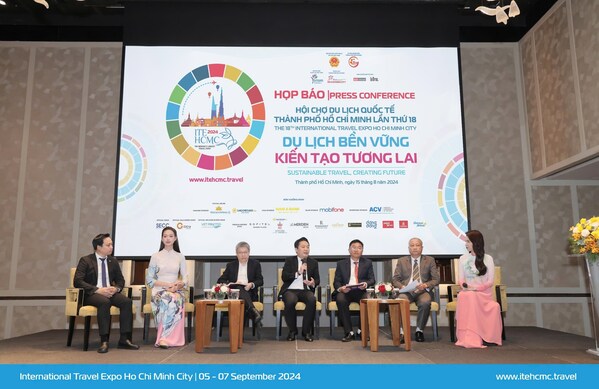
HO CHI MINH CITY, Vietnam, Aug. 23, 2024 /PRNewswire/ — The International Travel Expo Ho Chi Minh City (ITE HCMC 2024) is set to become one of Asia’s most influential travel expos, driven by participation from leading global organizations and businesses, increased attention from prestigious international media, and continuous enhancements to its International Hosted Buyer Program.

Taking place from 05 – 07/9, at the Saigon Exhibition and Convention Center (SECC) in Ho Chi Minh City, the event aims to establish Vietnam as a central tourism hub in Asia. “We position Ho Chi Minh City and Vietnam as not just tourist destinations, but as a central tourism hub for Asia,” said Mr. Le Truong Hien Hoa, Deputy Director of the Ho Chi Minh City Department of Tourism.

Global Industry Players to Convene at ITE HCMC 20244

This year’s expo will, for the first time, welcome the participation of prominent international travel businesses, including Flight Centre Travel Group (Australia), a Fortune 500 company with a presence in over 90 countries, and Intrepid Travel (Australia), recognized as one of TIME Magazine’s 100 most influential companies in 2023.

Additionally, ITE HCMC draws interest from key tourism markets like the United States and Europe, such as: Collette, America’s oldest travel company with over a century of luxury tour expertise, and Exim Tours from the DERTour Group, a leading European travel service provider.

CNN to Cover a Vietnamese Tourism Event for the First Time

CNN will cover the expo for its Marketplace Asia program, marking the first time the network dedicates extensive resources to a Vietnamese tourism event. This coverage will elevate ITE HCMC 2024’s international profile, creating opportunities for promotion and collaboration. ITE HCMC 2024 is supported by over 40 international media agencies from 10 countries and territories.

Enhanced quality and impact of Hosted Buyer

Over 450 exhibiting companies and brands have registered for the event, and 200 international buyers from 33 countries and territories have confirmed participation in the exclusive International Hosted Buyer Program – expected a 10% increase from 2023. This growth underscores ITE HCMC’s role as a key platform for international business connections.

Over the three-day event, ITE HCMC will facilitate 10,000 B2B meetings tailored to participants’ business needs, ensuring optimal matchmaking and maximizing outcomes. An online scheduling system, available from August 20th to September 20th, allows international buyers to arrange meetings in advance, reducing on-site wait times. The ITE HCMC App has been upgraded with AI-powered matchmaking and QR code scanning for instant partner information, enhancing efficiency and supporting the event’s eco-friendly goals.

Strategic Partnerships

ITE HCMC 2024 is proud to announce its strategic partners: Vietnam Airlines as the Diamond Sponsor and Official Airline; Saigontourist Group as the Diamond Sponsor; Nam A Bank as the Gold Sponsor; Airports Corporation of Vietnam (ACV), GEM Center, Renaissance Riverside Hotel Saigon as Bronze Sponsors and valued partners: Vietjet, Emirates, Vietravel Airlines, Sofitel Saigon Plaza Hotel, Le Meridien Hotel; Mobifone and Air China and China Southern Airlines for their invaluable assistance in inviting potential travel businesses to send clients to Vietnam and the region to participate in the International Buyer Program.

For more information, visit www.itehcmc.travel, follow on Facebook, and connect on LinkedIn.

Source

Corina Intrauterine Drug-Eluting System approved in China as a novel treatment for patients with moderate-to-severe intrauterine adhesions (IUA)

0

The World’s First-in-Class Intrauterine Drug-Eluting System

SHANGHAI, Aug. 23, 2024 /PRNewswire/ — Corina Intrauterine Drug-Eluting System (“Corina”), developed by Yipurun (Shanghai) Biotechnology Co., Ltd. (“YPR”), has received approval in China (G.X.Z.Z. 20243181461) for use in patients with moderate-to-severe intrauterine adhesions (IUA) who undergo transcervical resection of adhesions (TCRA). The approval for this indication is based on a randomized controlled clinical trial that demonstrated Corina’s superior efficacy compared to the standard-of-care. Corina is a first-in-class treatment focused on promoting female reproductive health through the prevention of intrauterine re-adhesion risk post TCRA, and the improvement of endometrial growth.

Intrauterine adhesions (IUA) are the formation of scar tissues in the endometrial cavity as a result of damages to the endometrial basal layer of the uterus, which leads to the partial or complete occlusion of the cervical canal and uterine cavity. Clinically, IUA can cause a range of symptoms such as reduced menstrual flow, amenorrhea, infertility and recurrent miscarriage – thereby posing a serious threat to the reproductive health of women of childbearing age. Currently, the incidence rate of IUA in China remains high, and continues to grow due to an increased number of intrauterine interventions. Research in this field show the incidence rate of IUA in China to be as high as 25% in women who have had prior abortion or curettage procedures [1] — this has become a key driver of reduced menstrual flow and secondary infertility in women of childbearing age. As a standard surgical procedure to treat IUA, TCRA separates the adherent tissues and restores the anatomical shape of the uterine cavity. Surveys show 1.6 to 1.8 million patients in China undergo TCRA every year, but the recurrence rate of IUA after surgery is still as high as 62.5% [2]; and the pregnancy success rate of patients after TCRA surgery is only 22.5%~33.3% [3-4]. Over the years, a variety of adjuvant therapies, such as uterine cavity isolation barriers and hormonal treatments, have emerged with limited efficacy.

Corina is an innovative drug-device-combination therapy made from non-degradable, medical grade material, carrying the active ingredient estradiol. Designed to conform to the shape of the female uterus, Corina acts as a physical barrier upon insertion, and enables targeted delivery of estradiol to the endometrium. With YPR’s proprietary controlled-release technology, Corina can continuously release the active substance up to 60 days post procedure to promote endometrium growth.

Corina acts as a physical barrier upon insertion, and enables targeted delivery of estradiol to the endometrium

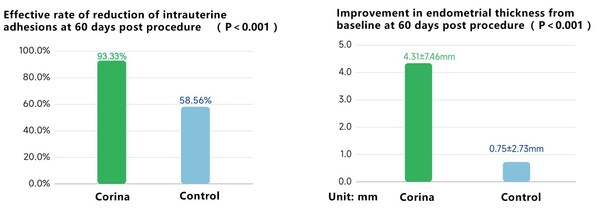
The registration study results of Corina have demonstrated statistically significant and clinically meaningful reduction in intrauterine adhesion at 60 days post procedure, compared to standard-of-care therapy. Corina has also shown meaningful improvement in endometrial thickness from baseline at 60 days post procedure, compared to standard-of-care therapy.

Evaluating effectiveness data from clinical trials

About Puyi Biotech

Located in the Zhangjiang Hi-Tech Park in Shanghai, Yipurun (Shanghai) Biotechnology Co., Ltd. (‘YPR’) is a wholly-owned subsidiary of Puyi (Shanghai) Biotechnology Co., Ltd. (“Puyi Biotech” or “Group”). Leveraging its knowhow in biomedical material science and its proprietary drug-eluting technology, Puyi Biotech and YPR have developed an innovative R&D pipeline of high-end implantable therapeutics. Since its founding in 2012, Puyi Biotech has focused on providing innovative solutions to address unmet clinical needs across women’s health, ENT (ear, nose and throat), and medical aesthetics categories. The Group has a number of renowned institutions as investors including Goldman Sachs Alternatives, Legend Capital and Northern Light VC.

References

[1]  2015 Chinese expert consensus on the clinical diagnosis and treatment of intrauterine adhesions

[2] Yu D , Wong YM , Cheong Y ,et al. Asherman syndrome: one century later[J]. Fertil Steril, 2008,89(4):759–779.

[3] Yu D , Li TC , Xia E ,et al. Factors affecting reproductive outcome of hysteroscopic adhesiolysis for Asherman’s syndrome[J]. Fertil Steril, 2008,89(3):715–722.

[4] Roy KK , Baruah J , Sharma JB ,et al. Reproductive outcome following hysteroscopic adhesiolysis in patients with infertility due to Asherman’s syndrome[J]. Arch Gynecol Obstet, 2010,281(2):355–361.

Contact Us
Address: Room 2206, No. 396, Lishizhen Road, Pudong New Area, Shanghai, China
Company Contact Tel: +86-21-50805520, Merchants Phone: +86-21-58556388
Website: en.puyibio.com
Email: service@puyibio.com

Source

Bringing Home the Win: Toshiba TV Z670 Elevates the Everyday Routines of Sports Fans

0

HONG KONG, Aug. 23, 2024 /PRNewswire/ — As the world eagerly anticipates the sports tournaments and events this summer. Toshiba TV is offering immersive experiences for sports fans to bring home the win. Toshiba TV is enhancing sports enthusiasts’ experiences and ramping up the excitement level with the Toshiba TV Z670, delivering an excellent experience for action-packed events.


Morning Rituals: Staying on Top of the Event

Kickstarting the day with morning coffee and the Toshiba TV Z670 means sports fans are always in the know, even before heading out the door. Whether you’re seated comfortably on the couch or moving around the room, the wide viewing angle keeps the picture quality consistent, allowing you to stay informed and motivated. Command your TV with the Far Field Voice Control to change the channel and navigate menus – all with just your voice.

Midday Engagement: Immersed from Highlights to Hype

As the big game gets underway, Toshiba TV Z670 transforms the living room into an immersive sports ground. The Total HDR Solution and AI 4K Upscaling technologies work in tandem to elevate the picture quality, providing clear imagery and vivid colors that bring classic reviews and star documentaries to life. Equipped with Filmmaker Mode and Quantum Dot Color technology, the Z670 ensures that fans can enjoy their favorite content as the creators intended, immersed in a world of over one billion realistic hues. From reviewing the morning’s top plays to preparing for the evening’s big matchup, the Toshiba TV Z670 empowers sports enthusiasts to make the most of their midday viewing, elevating their passion for the game to new heights.

Whether enjoying a refreshing beverage with friends or revisiting iconic moments from the past, the Toshiba TV Z670 sets the stage for an unforgettable afternoon of tournament celebration and camaraderie.

Evening Thrills: Celebration of Victory

As the sun sets, the Toshiba TV Z670 becomes the centerpiece of the sports fan’s evening entertainment, transforming your living room into a front-row seat at the stadium. The Z670 is equipped with a well-crafted REGZA Bass Woofer Pro and Dolby Atmos, along with advanced audio software technologies. This powerful set of speakers is fully tuned by the new REGZA Engine ZRi, reproducing every cheer, whistle, and buzzer with outstanding clarity and impact. Whether it’s the crack of a bat or the roar of engines, the 3D Surround Sound technology delivers an immersive audio experience that brings the thrill of live sports into your home.

The Toshiba TV Z670 is a great companion for sports fans, elevating their everyday viewing experiences with outstanding picture quality, immersive sound, and smart features that bring the thrill of live sports into their living rooms.

For more information please visit: @Toshiba TV Global

About Toshiba TV:

With 70+ years of history in TV production, Toshiba TV is known for its exquisite craftsmanship, innovative ideas and groundbreaking inventions. By prioritizing superior image quality and auditory experiences, Toshiba TV sets new standards in entertainment. Toshiba TV stems from the excellence quest of customers, providing the world with responsible products to make the world a better place. Emphasizing attention to product details and technological advancement, Toshiba TV integrates aesthetically pleasing design, quality assurance, and brand reputation to underscore its commitment to authenticity in the actual world and a sincere dedication to its consumers, showcasing Toshiba TV’s long-standing design philosophy and continuous pursuit of product quality.

Source

Shop Smarter at COMEX 2024: Explore Over 300 Brands, Wow Deals, Flash Sales, NETS Giveaways and many more

0

SINGAPORE, Aug. 23, 2024 /PRNewswire/ — One of Singapore’s biggest IT shows, COMEX 2024 returns 29 August to 1 September at Suntec Convention Centre Levels 3 and 4, to showcase latest tech gadgets and smart home products from over 300 brands and retailers, including newest offerings from Aftershock PC, ATRiX, Best Denki, Challenger, Dreamcore, Lenovo, Mansa, PRISM+, Samsung, Sterra, and more. Starhub also returns for the first time since its last participation in 2019, joining SingTel to introduce latest offerings in digital connectivity and entertainment.

AI-ready devices, aesthetic tech innovations aimed at optimising performance and consumer electronics for new homeowners will take spotlight. For instance, Lenovo will showcase the AI-ready Lenovo YogaSlim 7x, its first next generation Copilot+ PCs powered by Snapdragon® X Elite, featuring the 12-core Qualcomm OryonCPU, Qualcomm AdrenoGPU and a dedicated Qualcomm HexagonNPU (neural processing unit). Users can also leverage on the Large Language Model (LLM) and Copilot’s generative AI capabilities to increase their productivity.  

Hisense will unveil several new smart home appliances including the world’s first integrated ultraslim S7 Canvas TV that turns the living room into an art gallery and the AI-powered Q6 QLED 4K Smart TV series Hisense will also be showcasing its cutting-edge Allergy Care and Activated Water systems where allergens and bacteria are effectively eliminated through steam; residual chlorine is removed and rapid sterilisation done through water activation and electrochemical technologies. Zansan will introduce its digital locks that are equipped with facial recognition and RFID capabilities.

Visitors can also check out the following:

  • Instant Lucky Catch with more than S$250,000 in prizes and vouchers: Working together with tech partner Searix who will be digitalising and gamifying the promotions, COMEX 2024 will be giving out prizes such as a Dreamcore Custom Gaming PC (worth S$3,180), Hinomi H1 PRO Ergonomic Chair (worth S$899), the newly launched Hisense “Roman Holiday” Front Load Washing Machine (worth S$2,999), OSIM uLove 3 Well-being Chair (worth S$8,999) and a PRISM+ Q86 Ultra 4K QLED Google TV (worth S$4,999). The full list of prizes can be accessed here.
  • Exclusive Discounts and Privileges with Selected Payment Partners: For the first time at COMEX, NETS will be giving away NETS prepaid cards with S$20 stored value when shoppers spend minimally S$200 via NETS.

    Shoppers can also enjoy further discounts when making onsite purchases with other flexible and seamless payment options – ShopBack, Grab’s Buy Now Pay Later, TikTok Shop. For instance, TikTok users can enjoy up to 67 percent off tech deals on TikTok Shop, with additional discount vouchers worth up to S$100. 15 social media creators will be conducting 72 livestream sessions onsite to share enticing tech buys and tips from various brands. These creators include popular TikTok influencers Baldbodhi and Fredyjays.

  • Exciting Promotions and WOW Deals: Enjoy up to 70 per cent off tech products and smart home solutions from over 150 exhibitors, including daily Flash Sale and Wow Deals, e.g. STEED Wireless Custom Mechanical Keyboard at S$69 (worth S$211), REDMI Buds 5 Pro at S$48 (worth S$99), REMAX 20,000mAh Power Bank at S$9 (worth S$45.90) and GAN 70W Travel Adaptor at S$9 (worth S$79).

    SingTel will also be conducting daily live auctions with starting bids as low as S$29 and over S$20,000 worth of premium handsets, accessories, and TVs to be won at the entire event.

  • Spend and Redeem a free S$10 Challenger voucher: Available to the first 250 shoppers each day with a minimum spend of $500, limited to one redemption per customer per day while stocks last. Shoppers can also redeem an additional NETS Prepaid Card with S$5 of stored value if the purchases were made via NETS. More information here.
  • Earn Rewards while De-Cluttering: Shoppers trading in old and unused devices at the MyHalo Trade-In booth can receive S$10 COMEX vouchers (stackable depending on the value of the trade-in items) for spending onsite at participating booths.

Discover more new launches and exclusive deals at COMEX 2024 in the Annex.

Organised by Constellar, COMEX is one of Singapore’s largest and most experiential consumer lifestyle marketplaces. The event is part of Constellar’s consumer electronics and technology series of annual events, which also include Consumer Electronics Exhibition (CEE), IT Show and The Tech Show.

For latest deals and updates, visit our website and follow us on Facebook, Instagram and TikTok. Sign up here to receive the digital brochure with the best highlights and deals dropping on 28 August 2024.

***

For media enquiries and interview requests, contact the Constellar Communications team at comms@constellar.co.

About Constellar 

Constellar is Asia’s preferred partner for convening businesses, curating ideas and creating opportunities for sustainable business growth and global impact. Based in Singapore with a regional footprint in China and Malaysia, we curate and develop influential trade and consumer events for key industries, connecting global marketplaces in sectors such as fintech, industrial transformation and ESG. We also manage the Singapore EXPO, Singapore’s largest purpose-built venue for Meetings, Incentives, Conventions and Exhibitions (MICE). Our vision is to be a global leader made in Asia, activating impactful networks to enable cross-industry collaboration and innovation through our holistic portfolio of intellectual properties (IP) in the MICE industry. Visit constellar.co for more information.

Source

Xiaohongshu Street Life Festival Kicks Off in Shanghai

0

SHANGHAI, Aug. 23, 2024 /PRNewswire/ — Xiaohongshu, a leading lifestyle platform in China, is hosting the second annual Xiaohongshu Street Life Festival in Shanghai, bridging online and offline lifestyle experiences. On August 23rd, the festival’s mascot, “Duck on the Street,” made its debut along the Huangpu River. This 20-meter-tall giant installation, symbolizing happiness and creativity, draws its name from the Chinese phrase for ‘strolling the streets’ and is inspired from the Citywalk trend that originated in Shanghai in 2023 and quickly became popular across the country. Adding a unique pop of color to the iconic city skyline, the installation attracted numerous tourists eager to take photos, marking the official start of the second Xiaohongshu Street Life Festival.

On August 23rd, the mascot of the Xiaohongshu Street Life Festival, 'Duck on the Street,' made its debut along the Huangpu River. The 20-meter-tall giant installation attracted numerous tourists eager to take photos, marking the official start of the second Xiaohongshu Street Life Festival.
On August 23rd, the mascot of the Xiaohongshu Street Life Festival, ‘Duck on the Street,’ made its debut along the Huangpu River. The 20-meter-tall giant installation attracted numerous tourists eager to take photos, marking the official start of the second Xiaohongshu Street Life Festival.

As one of the seven landmark events of “Shanghai Summer,” the second Xiaohongshu Street Life Festival will take place from August 23rd to September 1st, featuring a central market overlooking the river and five curated streets newly decorated for the occasion. Over 200 themed activities will be staged across the lively streets of Shanghai, ranging from cultural events like the Sunset Concert and the Look Up Art Exhibition to leisure and entertainment activities such as fashion shows, the Breezy Market, and the Street Food and Fun Tour. These vibrant and diverse events offer a glimpse into Shanghai’s rich and open urban culture, bringing joy to visitors far and wide.

Xiaohongshu’s Marketing Director, Bai Ban, shared that more than 500 creators from both domestic and international backgrounds have been invited to participate in the festival, extending the event’s appeal to an even wider audience. “We hope the Street Life Festival will further boost consumption, uplift the vibrancy of youth culture, and showcase the positive and aspirational spirit of young Chinese. This will add more value to the Xiaohongshu community, our users, the city, and society, and help Shanghai establish a new urban brand.”

Last year, the inaugural Street Life Festival attracted over 200,000 participants to its offline events. By creating joyful and engaging offline experiences, it brought significant foot traffic to the participating businesses and brands. Whether local residents or visitors from afar, everyone is invited experience the charm and warmth of Shanghai through this grand event, enjoying a summer festival that seamlessly blends culture, art, and commerce.

Source

Europe’s wineries battle to survive as extreme heat hurts production

0

This year’s wine harvest is in full swing on the perennially popular Greek island of Santorini, but for local winemaker Yiannis Paraskevopoulos, the prospects do not look good.

Extreme temperatures are threatening production of the indigenous Assyrtiko grape, critical to the island’s internationally recognized fine white wines. Last year’s output at Paraskevopoulos’s Gaia Wines was around one-third of 2022 production. This year’s harvest is estimated to fall to one-sixth of 2022 levels.

“We thought we had seen the worst. But no, we hadn’t: 2024 has gone beyond all expectations,” Paraskevopoulos told CNBC over the phone.

According to Gaia Wine’s 2023 estimates, Assyrtiko could face extinction by 2040. Now, that timeline looks optimistic.

“It brings the trend line even closer to the present,” Paraskevopoulos said.

Falling wine production

The Assyrtiko grape is not alone. Global wine production fell 10% in 2023 to 237.3 million hectolitres, the lowest level in over 60 years, as “extreme climactic conditions” weighed on harvests, according to the International Organisation of Vine and Wine (OIV).

The issues facing wineries prompted the European Union to last month launch a high level group on wine policy to discuss the “challenges and opportunities for the sector.”

Production in Greece plunged more than one-third in 2023, while output from Italy and Spain dropped by more than one-fifth, according to OIV, as wineries in southern Europe increasingly experienced adverse weather effects including heavy rainfall, drought and early frost.

Such weather events can impact not only a given year’s harvest but also production in following years.

“We are absolutely affected by climate change,” a guide at Castello di Volpaia told CNBC during a recent tour of the 12th century winery in Tuscany, Italy.

Large barrels store Chianti Classico wine at Castello di Volpaia in Tuscany, Italy.

CNBC

“Climate change is significantly influencing wine production and its quality,” Marco Fizialetti, commercial director at nearby Castello di Querceto, said via email. “This situation has created difficulties for all producers who already had to manage high temperatures in the past.”

Weaker output and more challenging production conditions are pushing up costs in an already largely price sensitive consumer market. Wine consumption was down 2.6% annually in 2023, hitting its lowest level since 1996, due to higher production and distribution costs which led to higher prices for consumers, OIV estimates showed.

That’s champagne prices. When a bottle is more expensive than a Burgundy, what will a buyer do?

Yiannis Paraskevopoulos

co-founder of Gaia Wines

As of August 2024, one kilogram of Assyrtiko grapes cost eight ($8.9) to 10 euros, around double 2022 prices.

“That’s champagne prices,” Paraskevopoulos said, noting that Gaia Wines has not yet reflected the heightened costs in its final bottle price. However, he said it will have to do so eventually, and that will hurt business.

“When a bottle is more expensive than a Burgundy, what will a buyer do? We will lose market that we have struggled to be in,” he said.

Changing production methods

Some winemakers are now altering their production methods to adapt to the shifting environmental landscape.

At Antinori nel Chianti Classico, the newest in a collection of estates belonging to Marchesi Antinori, one of Italy’s oldest and largest winemakers, vines are now being planted in new directions to take advantage of the increased sun exposure.

“Until a few years ago, you would plant the vineyards southwest facing. Now you can plant them northeast facing because of the extreme heat you get exposure” from both directions, President Albiera Antinori told CNBC over the phone.

Close up of kouloura style vines in Santorini, Greece.

Erica Ruth Neubauer | Istock | Getty Images

Other techniques the estate is employing include raising trellises to increase air circulation and planting grass in between vines. Antinori said that has helped the estate improve production quality over recent years even as quantity has fallen.

However, she described the boost as “la vittoria di pirro,” or Pyrrhic victory, a feat which incurs such a cost it is barely worth winning.

Sergio Fuster, CEO of Spanish wine group Raventós Codorniu, noted that many of the regions in which it owns vineyards are in a state of emergency and, as such, they have needed to become “increasingly efficient” with water usage, for instance by using buried irrigation systems.

Other winemakers are working the fields in the height of summer to respond to earlier harvests. At Domaine Skouras in Greece’s Nemea, this year’s harvest started a record 20 days early. Winemaker Dimitris Skouras said a reduction in fungal disease had improved grape quality, however he still expects lower yields overall.

We cannot predict the changes to come or the extreme weather we might face.

Dimitris Skouras

winemaker at Domaine Skouras

“This year has been exceptionally hot. The winter was unusually short, and temperatures rose rapidly afterward, with July being the hottest on record. In our vineyards, we’re seeing lower production levels than last year, which was already quite low, especially for Agiorgitiko,” he told CNBC via email, referring to the grape variety used in the region’s red wines.

Skouras is now planting vineyards at higher altitudes, where temperatures are generally lower, and he is identifying areas with better water supply to help the vines withstand the heat.

“There are no definitive solutions yet, as we cannot predict the changes to come or the extreme weather we might face. Our strategy is to adapt to this new reality in viticulture as best we can,” Skouras said, referring to the study of cultivating grapes.

Elsewhere, however, the hopes of adaptation are less clear. On Santorini, where grapes are grown in traditional “koulouras,” or baskets, to protect them from the island’s strong winds and intense sunlight, the vines risk becoming even more exposed to harsh weather conditions.

“These vines have root systems that go back three, four, five centuries, and they’re dying,” Gaia Wine’s Paraskevopoulos said.

Tourism to blame?

Extreme weather is not the only issue afflicting Europe’s vineyards. Increased tourism has also seen investment and manpower shift traditional agricultural work to the hospitality sector.

For so-called agritourism destinations, such as Tuscany’s Castello di Volpaia, which houses a small accommodation complex on the estate, guest stays can offset the costs associated with weaker production output. At Marchesi Antinori, cellar tours and cookery classes are all part of the offering.

“We are fortunate to be in a region and a country where we don’t see a reduction in tourism – quite the opposite,” Antinori said.

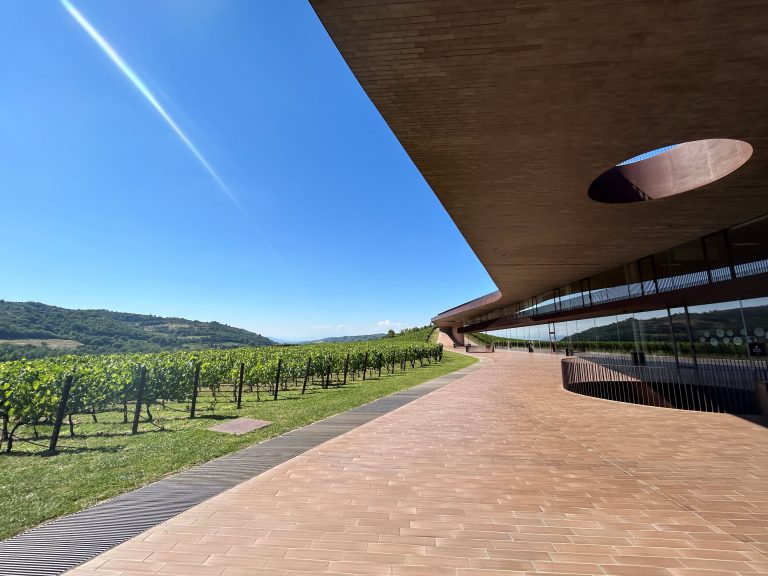
A winery in Tuscany, Italy.

CNBC

But Paraskevopoulos said he fears that places like Santorini, which have ridden the wave of rising tourism, could ultimately become victims of their own success.

“Climatic change is surely very alarming, but tourism is also to blame,” he said. “Young Santorinians don’t invest in wineries anymore because they have other ways of making money.”

The shifting landscape will now see EU representatives and industry stakeholders gather for wine policy discussions, with their first meeting due next month. The group is due to meet at least three times this year, before presenting their recommendations at the start of 2025.

It is hoped that such measures could reduce some of the biggest risks facing the industry, which across the bloc alone employs around 3 million people and contributes an estimated 130 billion euros to EU gross domestic product.

“That’s the trend line if you do not intervene,” Paraskevopoulos said of the Assyrtiko extinction forecast. “And this is the question: will we intervene in time and will we be successful?”

Source

Antengene Announces 2024 Interim Financial Results, Highlights Progress in R&D and Commercialization

0

SHANGHAI and HONG KONG, Aug. 23, 2024 /PRNewswire/ — Antengene Corporation (6996.HK) today announced its interim results for the period ending June 30, 2024, along with several significant milestones achieved in recent months.

Dr. Jay Mei, Antengene’s Founder, Chairman, and CEO, stated, “In the first half of 2024, the company has made significant progress in both R&D and commercialization. Our four global rights assets — ATG-022 (Claudin 18.2 ADC), ATG-037 (CD73 small molecule), ATG-101 (PD-L1/4-1BB bispecific antibody), and ATG-031 (CD24 monoclonal antibody) have all advanced steadily as planned. Among them, ATG-022, currently in Phase II dose expansion stage, has demonstrated efficacy not only in gastric cancer patients with moderate-to-high Claudin 18.2 expression but also in those with low and ultra-low expression levels. This unprecedented data reinforces our belief that ATG-022 is poised to become a globally best-in-class molecule targeting Claudin 18.2. While we remain focused on building a differentiated and innovative pipeline, the company has also established a robust self-sustaining revenue-generating capability. XPOVIO® has achieved three significant milestones within the past six months, including a supplementary new drug approval (NDA) for diffuse large B-cell lymphoma (DLBCL) in the Mainland of China, National Health Insurance Service Approval for Reimbursement in South Korea, and NDA approvals for multiple myeloma (MM) in Malaysia. To date, XPOVIO® has been approved for marketing in eight countries and regions across the Asia-Pacific markets and included in the national health insurance of four of these markets, generating product revenue of RMB 60.8 million in the first half of 2024.” Dr. Mei continued, “Antengene’s innovative R&D capabilities, strategic approach to drug discovery and development, and rigorous cost-efficiency measures ensure the company is well positioned for sustained operations and growth in the coming years. With a cash and bank balance of RMB 1.024 billion, we have sufficient runway to provide strong support to the continuous growth, development, and operations of Antengene. We look forward to sharing more of our progress in the second half of 2024, with a key highlight being the latest research results of ATG-037, which will be presented in a mini oral presentation at the ESMO Annual Meeting on September 16.”

1. Global Rights Assets with Advancing Steadily at Clinical Stage

ATG-022 (Claudin 18.2 Antibody-Drug Conjugate, ADC): Currently at Phase II Dose Expansion Stage, Effectively Targeting Gastric Cancer with both High and Ultra-low Claudin 18.2 (CLDN18.2) Expression

  • ATG-022 is a highly differentiated asset demonstrating activity across a wide range of CLDN18.2 expression levels, including both high and low/ultra-low expression level. ATG-022 has received two Orphan Drug Designations (ODD) from the U.S. Food and Drug Administration (FDA) for the treatment of gastric cancer and pancreatic cancer.
  • The Phase I CLINCH dose escalation study was completed earlier this year, 2.4 mg/kg was selected as the recommended Phase II dose (RP2D). ATG-022 has now progressed to the Phase II monotherapy dose expansion stage.
  • As of Aug 21st 2024, Data from the on-going Phase II CLINCH dose expansion study, shows that 21 CLDN18.2 positive gastric cancer patients have been treated with ATG-022. Among the 12 patients who at least underwent their first tumor assessment after study treatment, 5 achieved partial response (PR), resulting in an overall response rate (ORR) of 41.7% (including one patient with ultra-low CLDN18.2 expression), and a disease control rate (DCR) of 100%. The Phase II CLINCH study is currently progressing smoothly in China and Australia.

ATG-037 (CD73 Small Molecule Inhibitor): Demonstrated Potential in Reversing Resistance to anti-PD-1 Therapies during Dose Escalation

  • Inhibiting CD73 is intended to stop the production of adenosine, a key immunosuppressive molecule in the tumor microenvironment. As a small molecule inhibitor of CD73, ATG-037 has demonstrated pre-clinically the ability to overcome the “hook effect” that can limit efficacy and is commonly seen in anti-CD73 antibodies. Antengene entered into a global clinical collaboration with MSD and is currently evaluating this molecule in combination with the anti-PD-1 therapy, KEYTRUDA® (pembrolizumab), in patients with locally advanced or metastatic solid tumors.
  • ATG-037 demonstrated an excellent safety profile during the dose escalation stage. Notably, four partial responses in patients previously treated with a checkpoint inhibitor were observed — two in melanoma patients and two in non-small cell lung cancer patients. With the Phase I dose escalation now complete, the company plans to initiate the Phase II dose-expansion of the STAMINA study in China and Australia in the third quarter of 2024.

ATG-101 (PD-L1/4-1BB Bispecific Antibody): Durable Responses and Preliminary Efficacy in “Cold Tumors” Observed at Low Doses Without Off-target Liver Toxicity

  • ATG-101’s differentiated approach to targeting PD-L1 resistant cancers incorporates the conditional activation of the T-cell co-stimulatory receptor 4-1BB. The bispecific antibody utilizes high PD-L1 affinity and conditional 4-1BB activation, to reduce the risk of hepatotoxicity.
  • ATG-101 is currently undergoing dose-escalation studies in the US, the Mainland of China, and Australia. The treatment has demonstrated excellent tolerability, with no significant liver toxicity observed to date. Encouragingly, durable stable disease has been observed even at low dose levels, as along with a partial response in a patient with microsatellite stable (MSS) colorectal cancer. The Phase I dose escalation phase is on track for completion by the first half of 2025.

ATG-031 (Anti-CD24 Monoclonal Antibody): First-in-Class Macrophage Activator Targeting CD24

  • ATG-031 is the first-in-class humanized anti-CD24 monoclonal antibody to enter clinical trials for cancer in the U.S. ATG-031 works by blocking CD24-Siglec10 and enhancing macrophage-mediated phagocytosis of cancer cells. Key study sites of ATG-031 include four renowned cancer centers in the United States: MD Anderson Cancer Center at the University of Texas, University of California, San Francisco (UCSF), University of Colorado, and Yale Cancer Center.
  • In the Phase I PERFORM study, 19 late-stage cancer patients have been treated with early low doses in the dose escalation segment, with no dose-limiting toxicities (DLTs) observed. Observations include stable disease (SD), objective tumor shrinkage, and clinical improvements among enrolled patients. The company targets a Phase I data readout in the first half of 2025.

Promising Pre-clinical Programs:

  • Antengene is committed to advancing its proprietary “2+1” T-cell engager platform, AnTenGagerTM. T cell engagers developed from this platform are designed to induce disease-associated antigen (DAA)-dependent T-cell binding and activation, delivering strong therapeutic activity while minimizing the risk of cytokine release syndrome (CRS).
  • The development of preclinical candidates, including ATG-042, a selective PRMT5 inhibitor targeting MTAP-null tumors, and ATG-201, a CD19 x CD3 T-cell engager, is ongoing.

2. Expanding APAC Presence with Inclusion in Multiple National Health Insurance Programs

  • In June 2024, South Korea’s National Health Insurance Service (NHIS) has approved the reimbursement of XPOVIO®, effective from July 1, 2024. This marks the fourth Asia-Pacific market, following the Mainland of China, Australia, and Singapore, where the company has secured reimbursement/insurance coverage for XPOVIO®. The company is actively working to secure health insurance inclusion for XPOVIO® in more Asia-Pacific markets.
  • In July 2024, XPOVIO® received approval for a new indication in the Mainland of China, offering a new treatment option for patients with DLBCL. This is the second indication approved for XPOVIO® in the Mainland of China, following its approval for relapsed/refractory multiple myeloma (R/R MM).
  • In August 2024, XPOVIO® was officially approved for marketing in Malaysia. To date, XPOVIO® has received multiple new drug approvals across eight countries and regions in the Asia-Pacific market (the Mainland of China, Taiwan, Hong Kong, Macau, Australia, South Korea, Malaysia, and Singapore). The company has also submitted NDA for XPOVIO® in other ASEAN markets such as Thailand and Indonesia, with approvals expected later this year.
  • Since being included in the National Reimbursement Drug List (NRDL) in December 2023, XPOVIO® has shown impressive revenue performance in the first half of 2024. As of June 30, 2024, XPOVIO® sales revenue has reached RMB 60.8 million.

3. Strong Cash and Bank Balance to Support Strategic Objectives

As of June 30, 2024, the company held RMB 1.024 billion in cash and bank balance. The steady growth in revenue, strong cash and bank balance coupled with careful spending, will provide strong support to the continuous growth, development, and operations of Antengene.

For more details on the 2024 interim financial results, please refer to the full announcement available in the “Investor Relations” section of the company’s official website.

About Antengene
Antengene Corporation Limited (“Antengene”, SEHK: 6996.HK) is a leading commercial-stage R&D-driven global biopharmaceutical company focused on the discovery, development, manufacturing and commercialization of innovative first-in-class/best-in-class therapeutics for the treatment of hematologic malignancies and solid tumors, in realizing its vision of “Treating Patients Beyond Borders”.

Since 2017, Antengene has built a pipeline of 9 oncology assets at various stages going from clinical to commercial, including 6 with global rights, and 3 with rights for the APAC region. To date, Antengene has obtained 29 investigational new drug (IND) approvals in the U.S. and Asia, and submitted 10 new drug applications (NDAs) in multiple Asia Pacific markets, with the NDA for XPOVIO® (selinexor) already approved in Mainland of China, Taiwan China, Hong Kong China, Macau China, South Korea, Singapore, Malaysia and Australia.

Forward-looking statements
The forward-looking statements made in this article relate only to the events or information as of the date on which the statements are made in this article. Except as required by law, we undertake no obligation to update or revise publicly any forward-looking statements, whether as a result of new information, future events or otherwise, after the date on which the statements are made or to reflect the occurrence of unanticipated events. You should read this article completely and with the understanding that our actual future results or performance may be materially different from what we expect. In this article, statements of, or references to, our intentions or those of any of our Directors or our Company are made as of the date of this article. Any of these intentions may alter in light of future development. For a further discussion of these and other factors that could cause future results to differ materially from any forward-looking statement, please see the other risks and uncertainties described in the Company’s Annual Report for the year ended December 31, 2023, and the documents subsequently submitted to the Hong Kong Stock Exchange.

For more information, please contact:

Investor Contacts: 
Donald Lung
E-mail: Donald.Lung@antengene.com  
Mobile: +86 18420672158

PR Contacts:
Peter Qian
E-mail: Peter.Qian@antengene.com 
Mobile: +86 13062747000

Source

Can a robot give a decent massage? We tested one at a luxury hotel in New York City

0

One step inside a spa’s dimly lit room, and I’m already anticipating a serene, therapeutic experience: an hour-long full-body massage that leaves me relaxed and revitalized.

But a recent appointment at ila Only Spa at the luxurious Lotte New York Palace hotel didn’t resemble past spa experiences. 

Although a human escorted me into the room, a machine executed the massage — specifically, an artificial intelligence-powered robot courtesy of Aescape, a New York-based lifestyle robotics company.

Entrepreneur Eric Litman founded Aescape in 2017, after experiencing a bulging disc in his neck that he attributed to frequent flying, he said.

He flew so often, he said, that he needed a daily massage for months. Those appointments got him thinking: Is there a better option for people like him who need regular massages, rather than a day at the spa?

Litman secured $80 million in funding and spent seven years on research and development before launching the world’s first customizable robot massage in March.

Lotte New York Palace is the first hotel to partner with Aescape; it leases the machine and debuted the treatments on July 18. It’s also available at select Equinox gyms in New York City as well as the Press Modern Massage in Union Square, according to the company.

Watch how a robot gives a massage

But this is only the beginning. Aescape plans to roll out myriad partnerships later this year, Litman said.

Tristina Damico, the hotel’s spa director and a licensed massage therapist, said Aescape is a fit for the 900-room Lotte New York Palace, which attracts business and leisure travelers.

A mix of people have booked appointments with the robot since it launched, she said, including hotel guests and New Yorkers who live or work in Midtown Manhattan. They often schedule sessions during lunch hours since the massages are oil-free, she said.  

“It’s a quick way to recharge,” said Damico.

Litman said making massages bookable on demand will fill a void in the global wellness market, an economy projected to reach $7.4 trillion by 2025, according to the Global Wellness Institute, a U.S.-based non-profit organization.

“I started looking into why people get massages and was surprised to find that most people [want] to fix something going on in their body,” he said. “A lot of people wanted more specificity — more pressure here, less focus there — and had challenges getting that in just the way that worked for them.”

A shortage of massage therapists in an ever-expanding industry also contributed to the founding of Aescape, Litman said, although he recognizes that the two are very different.

Therapists vary by style and skill, but Aescape’s robot aims to replicate the same experience on every visit. It stores clients’ data, which can be found on every machine.

“We save the physical preferences,” Litman said. “The idea is we’re building a massage that gets to know you over time.”

What a robot massage feels like

For those who are uncomfortable stripping down in front of a stranger, Aescape solves the problem. This massage requires clothing.

Before the treatment, I slipped into Aerwear, the brand’s proprietary spandex-like apparel that’s designed to alleviate friction between the robot and human skin. After I changed, an attendant returned to show me how to operate the robot.

I lay face down on the massage table, which was firmer than a typical spa table. It also comes with armrests, a footrest, and a face opening revealing a tablet beneath, where I adjusted the table and the music to suit my comfort level.

Aescape focuses only on the back, so sadly, there are no leg or foot massages. Sensors scanned my body — the system supposedly captures 1.2 million data points to map a user’s muscle structure — before its futuristic arms and knuckles moved up and down my back in a consistent parallel motion.

The appendages, albeit hard to the touch, were warm. A screen showed every step of my massage, and allowed me to control the pressure.

I typically request moderate pressure from massage therapists, but Aescape’s middle setting felt intense. For most of my massage, I could tolerate the lowest force from the robot. That said, I comfortably cranked up the device to high during the glute portion toward the end of the massage.

I sensed the machine’s movements coinciding with my breathing, and I could pause the robot when I needed a break. With the press of a button, I could shift, lift my head, or even get up for a quick stretch.

With that in mind, I could see Aescape benefiting travelers looking for short, flexible spa treatments. The robot could also appeal to people looking for more affordable massages that are easy to book — Aescape sessions are booked through an app. The price is $75 for a 30-minute massage at Lotte New York Palace.

Aescape massages are booked via an app.

Source: Aescape

My original appointment was postponed because of maintenance on the device, but the robot was back up and running the following day.

As someone who navigates chronic pain, I find that the kneading, rubbing and pressing of human hands can do wonders to relieve discomfort. However, I didn’t get similar results from the AI-driven robot.

I didn’t find the session relaxing, and I didn’t feel as pampered as I do on a spa day, but the experience was an amusing escape from the chaos of Midtown Manhattan.  

Source