Wednesday, June 24, 2026
Google search engine
Home Blog Page 406

Xinhua Silk Road: NE. China’s Harbin becomes popular summer tourism destination with rich wetland resources

0

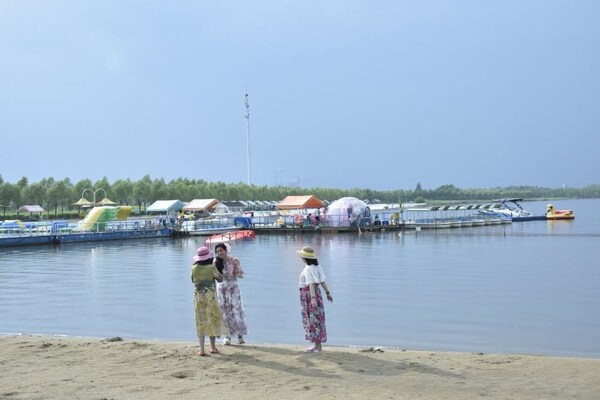
BEIJING, July 26, 2024 /PRNewswire/ — Boasting rich wetland resources, Harbin City in northeast China’s Heilongjiang Province has become a popular tourism destination in summer days this year.

Photo shows the Hulan River estuary wetland park in Harbin City, northeast China's Heilongjiang Province. (Xinhua/Zhu Yue)
Photo shows the Hulan River estuary wetland park in Harbin City, northeast China’s Heilongjiang Province. (Xinhua/Zhu Yue)

Since the start of July, the search volume for “wetlands” in Harbin on Chinese e-commerce platform Meituan has increased 23 percent year on year, with the number of related travel tips surging 151 percent year on year, according to data from Meituan.

Recently, the number of tourist visits to the Hulan River estuary wetland park has significantly increased, reaching about 5,000 on weekends, according to Zhang Huan, the park’s operation manager.

The park gives priority to wetland ecosystem conservation. Meanwhile, it provides diversified services for visitors to do exercises and enjoy recreational activities.

As one of the Chinese cities certified as “International Wetland Cities”, Harbin has been stepping up wetland conservation and restoration efforts.

It has implemented the medium- and long-term wetland protection plan (2019-2035), and rolled out wetland protection measures, a work plan for wetland ecological conservation and restoration, as well as an implementation plan for the enforcement of the national wetland protection law, securing law-based protection endeavors aiming to enhance the quality of wetlands, according to Xing Guangyou, director of wetlands and natural reserves management division of Harbin municipal forestry and grassland administration.

Wetland parks have established relevant management mechanisms. For example, Alejin Island national wetland park has introduced wetland protection management system, wildlife protection and rescue system, water quality monitoring and management system and so on. The national level wetland park covers an area of 419 hectares, of which 71.1 percent are wetlands.

Through years of efforts, Harbin has restored more than 3,000 hectares of wetlands, and reverted cultivated land into 685 hectares of wetlands.

Harbin’s achievements in wetland protection have earned good returns. Approximately one million tourist visits are made to Harbin each year, creating a total income hitting tens of billions of yuan for the city.

See the original link: https://en.imsilkroad.com/p/341314.html  

Source

HanAll Biopharma Reports Q2 2024 Financial Results and Provides Business Update

0
  • HanAll reports strong financial performance with second quarter total revenue of 31.6 billion KRW, driven by the strong sales from the key products.
  • HanAll expands collaboration with Turn Biotechnologies through an exclusive licensing agreement for Epigenetic Reprogramming of Aging (ERATM) technology, targeting ophthalmic and otic diseases.
  • Progress in clinical development programs continued including the completion of Phase 1 study for HL192 (ATH-399A) in Parkinson’s Disease, with results expected in the second half of 2024 and initiation of VELOS-4 Phase 3 study on tanfanercept for Dry Eye Disease.

ROCKVILLE, Md. and SEOUL, South Korea, July 26, 2024 /PRNewswire/ — HanAll Biopharma Co., Ltd. (KRX: 009420.KS), a global biopharmaceutical company committed to discovering and developing innovative medicines for patients, reported financial results for the second quarter of 2024 and provided business updates.

HanAll ended the second quarter with total revenue of 31.6 billion KRW and an operating loss of 3.1 billion KRW. Sales revenue reached 28.1 billion KRW, reflecting a 5.4% increase from the same period in 2023, bolstered by robust sales of key products. The overall profitability for the second quarter turned to a loss due to the absence of milestone revenues from the licensed partner.

Within the past quarter, HanAll strengthened its relationship with Turn Biotechnologies, a company founded on licensed technologies from Stanford, culminating in an exclusive licensing agreement to explore the potential of transient epigenetic reprogramming with the use of Yamanaka factors for ophthalmic and otic diseases.

HanAll also completed a Phase 1 first in human study of HL192 (ATH-399A) targeting Parkinson’s Disease, with results anticipated in the second half of 2024.

HanAll’s research and development efforts have achieved significant progress with the initiation of the Phase 3 VELOS-4 study investigating tanfanercept for dry eye disease (DED), with the topline results expected in 2026.

Progress in anti-FcRn assets continued, with the potential advancement of HL161ANS (IMVT-1402)’s development program. Top-line results are anticipated from the ongoing batoclimab Phase 2b study in Chronic Inflammatory Demyelinating Polyradiculoneuropathy (CIDP) and Phase 3 study in generalized Myasthenia Gravis (gMG) in the first quarter of 2025. Additionally, the resubmission of the Biologics License Application (BLA) in China for gMG marked a significant milestone, bringing batoclimab one step closer to commercialization.

A total of 10 additional studies are being planned for HL161ANS (IMVT-1402). The initiation of studies for the first 4 to 5 potentially registrational studies is slated to begin by the first quarter of 2025. The remaining indications are slated to be initiated by the first quarter of 2026.

“HanAll made a meaningful progress in our R&D in the second quarter, including the completion of the HL192 Phase 1 study in PD, the initiation of the VELOS-4 Phase 3 study for dry eye, and the establishment of a licensing agreement with Turn.bio to develop medicines for age-related diseases. We will sustain our investment in R&D through enhancing efficiency of our operations,” said Sean Jeong, M.D., MBA, CEO of HanAll Biopharma.

Second Quarter 2024 BUSINESS UPDATE

Pipeline Development Highlights

A comprehensive update of HanAll’s public pipeline development below includes an overview of research along with lists of compounds, targeted indications, and developmental phases.

AUTOIMMUNE DISEASES PROGRAMS

Batoclimab (HL161BKN)

A novel, fully human, subcutaneously administered antibody targeting FcRn with the potential to address multiple IgG-mediated autoimmune diseases, batoclimab is designed to selectively bind to FcRn, which plays a role in recycling IgG, thereby reducing levels of harmful IgG antibodies

  • Immunovant, a member of the Roivant group of companies as well as HanAll’s licensed partner in the United States and Europe, is making progress across four autoimmune indications. Results from the batoclimab study in Graves’ disease are expected in fall of 2024 from Immunovant. Phase 3 studies in gMG and TED are advancing.
  • Topline data from the Phase 3 study in generalized Myasthenia Gravis (gMG) is also anticipated in the first quarter of 2025.
  • Progress continues in the Phase 3 study for Thyroid Eye Disease (TED), with the top-line results also projected in the first half of 2025.
  • Regarding the ongoing Phase 2b Chronic Inflammatory Demyelinating Polyneuropathy (CIDP) study, Immunovant has decided to extend the duration of the study in order to optimize the study design for IMVT-1402 in CIDP. Following this decision, initial results from period 1 of the Phase 2b study in CIDP are expected in the first quarter of 2025.
  • Harbour BioMed, another licensed partner which transferred exclusive rights to develop, manufacture, and commercialize batoclimab in the Greater China region to CSPC NBP Pharmaceuticals Co., Ltd. (NBP Pharma), has resubmitted the Biologics License Application (BLA) for batoclimab to the National Medical Products Administration (NMPA) in June 2024. The BLA incorporated supplementary long-term safety data from the Phase 3 study in gMG, concluded in June 2023.

HL161ANS (IMVT-1402)

Another novel, fully human, subcutaneous antibody molecule that inhibits FcRn-mediated recycling of IgG is designed to deliver maximum lgG reductions, while minimizing interference with albumin recycling

  • Immunovant plans to initiate 4 to 5 potentially registrational studies for IMVT-1402 (HL161ANS) before the end of first quarter of 2025, following a recent Type B meeting with the FDA (Food and Drug Administration). The company plans to initiate studies on IMVT-1402 in a total of 10 indications before the end of the first quarter of 2026.
  • Immunovant is exploring initiating a registrational development in gMG with IMVT-1402.
  • Immunovant will work to optimize the HL161ANS/IMVT-1402 CIDP trial design, drawing insights from the ongoing CIDP Phase 2b trial for batoclimab. This process involves extending the duration of Phase 2b study in batoclimab in CIDP and incorporating learnings from the previous studies.
  • Immunovant also plans to provide an overview of the development program for HL161ANS/IMVT-1402 in Grave’s disease (GD) in the second half of 2024.

OPHTHALMIC DISEASE PROGRAM

Tanfanercept (HL036)

A novel topical protein therapy for ophthalmic diseases, including dry eye disease (DED), which inhibits TNF, a key mediator of ocular inflammation

  • HanAll Biopharma and Daewoong Pharmaceutical initiated the Phase 3 VELOS-4 study to evaluate the efficacy and safety of tanfanercept in dry eye. The topline results for the VELOS-4 study is expected in 2026.
  • The Phase 3 VELOS-4 trial builds upon key insights gained from the completed Phase 3 VELOS-3 study. In VELOS-3, tanfanercept demonstrated a statistically significant improvement in the secondary efficacy endpoint of tear volume, as measured by unanesthetized Schirmer testing, in patients treated with tanfanercept compared to those in the vehicle group at week 8 (p=0.002). In addition, a post hoc analysis revealed that a notable proportion of participants in the tanfanercept group (14%) showed significant improvement (p=0.011) in the Schirmer test, with an increase of at least 10mm from baseline at week 8, compared to only 4% in the vehicle group.
  • The 2020 FDA Draft Guidance on Dry Eye Drug Development considers the proportion of participants achieving a minimum 10mm increase in the Schirmer test response rate as an acceptable primary efficacy endpoint for approval.

NEUROLOGY PROGRAM

HL192 (ATH-399A)

A pipeline candidate from NurrOn Pharmaceuticals (originating from Harvard Medical School’s Molecular Neurobiology Laboratory) which targets Nurr1, both a master regulator in dopaminergic neuron development and maintenance, as well as an important component in anti-inflammatory functions. HL192 (ATH-399A) is being developed to treat neurodegenerative diseases, including Parkinson’s disease (PD).

  • The Phase 1 study of HL192, being jointly developed by HanAll Biopharma, Daewoong Pharmaceutical, and NurrOn Pharmaceuticals, has completed dosing with the results expected in the second half of 2024.

ONCOLOGY PROGRAMS

HL187 is a monoclonal antibody that targets TIGIT (T cell immunoreceptors with Ig and ITIM domains {Immunoreceptor tyrosine-based inhibitory motif domains}). HL186 is a monoclonal antibody that targets TIM-3 (T cell Ig and mucin domain-3). These antibodies are being developed in collaboration with Daewoong Pharmaceutical as potential oncology treatments.

  • HanAll is continuing with the pre-clinical development of the HL187 (anti-TIGIT) asset and plans to evaluate the further development of HL186 (anti-TIM-3) based on the strategic portfolio review.

FINANCIAL HIGHLIGHTS (CONSOLIDATED) 

Key Highlights 

(KRW in billion) 

Q2 2024

Q2 2023

% change

Sales 

31.6

41.4

-23.7 %

Gross Profit 

15.9

27.2

-41.6 %

Selling, marketing and administrative expenses 

12.6

11.3

+11.2 %

Research and development expenses 

6.4

7.8

-18.0 %

Operating income  

(3.1)

8.1

N/A

Net Income  

(3.3)

7.3

N/A

About HanAll Biopharma

HanAll Biopharma (KRX: 009420.KS) is a global biopharmaceutical company with presence in Korea, the USA, Japan, and Indonesia with the mission of making meaningful contributions to patients’ lives by introducing innovative, impactful medicines to address severe unmet medical needs. HanAll has been operating a portfolio of pharmaceutical products in the therapeutic areas of endocrine, circulatory, and urologic diseases for over 50 years.

HanAll has also expanded its focus to immunology, oncology, neurology, and ophthalmology to discover and develop innovative medicines for patients with diseases for which there are no effective treatments. One of its lead pipeline assets, HL161 (INN: batoclimab), an anti-FcRn antibody, is being developed in Phase 3 and Phase 2 trials across the world for the treatment of autoimmune diseases including generalized myasthenia gravis (gMG), thyroid eye disease (TED), chronic inflammatory demyelinating polyneuropathy (CIDP), and Graves’ disease (GD). HL161ANS (IMVT-1402), an anti-FcRn antibody targeting multiple indications, is being evaluated in a Phase clinical study (healthy volunteers).

Another lead asset, HL036 (INN: tanfanercept), a TNF inhibitor protein, is being evaluated in Phase 3 clinical studies in the US and is also being evaluated in China for the treatment of dry eye disease.

HL192 (ATH-399A), a Nurr1 activator targeting Parkinson’s Disease, has completed a Phase 1 study in healthy volunteers.

For further information, visit our website and connect with us on LinkedIn. For any media inquiries, please contact HanAll PR/IR (pr@hanall.com, ir@hanall.com).

Disclaimer Statement 

The contents of this announcement include statements that are, or may be deemed to be, “forward-looking statements.” These forward-looking statements can be identified by the use of forward-looking terminology, including the terms “believes,” “estimates,” “anticipates,” “expects,” “intends,” “may,” “will,” or “should,” and include statements HANALL (the company, we) makes concerning its 2024 business and financial outlook and related plans; the therapeutic potential of its product candidates; the intended results of its strategy and the company, and its collaboration partners’, advancement of, and anticipated clinical development, data readouts and regulatory milestones and plans, including the timing of planned clinical trials and expected data readouts; the design of future clinical trials and the timing and outcome of regulatory filings and regulatory approvals. By their nature, forward-looking statements involve risks and uncertainties, and readers are cautioned that any such forward-looking statements are not guarantees of future performance. The company’s actual results may differ materially from those predicted by the forward-looking statements. These may include various significant factors, such as our expectations regarding the inherent uncertainties associated with competitive developments, preclinical and clinical trial and product development activities, and regulatory approval requirements. In addition, performance may be affected by our reliance on collaborations with third parties, estimating the commercial potential of our product candidates, our ability to obtain and maintain protection of intellectual property of technologies and drugs, our limited operating history, and our ability to obtain additional funding for operations and to complete the development and commercialization of product candidates. A further list and description of these risks, uncertainties, and other risks can be found in Korea Stock Exchange (KRX) filings and reports, including in our most recent annual report as well as subsequent filings and reports filed by the company with the KRX. Given these uncertainties, the reader is advised not to place any undue reliance on such forward-looking statements. These forward-looking statements speak only as of the date of publication of this document. We undertake no obligation to publicly update or revise the information in this press release, including any forward-looking statements, except as may be required by Korean law and regulations. 

Source

She spent four months in France and Spain on a $6,000 budget

0

In 2023, Rowena Hennigan came to a difficult but necessary conclusion — she needed an extended break from work.

Hennigan was dealing with disrupted sleep, anxiety, brain fog — all normal symptoms of menopause – but it was wreaking havoc on her work and her mental health.

She said she tried exercise, a new diet, hormone supplements, therapy and occasional days of respite, but several nights of broken sleep would trigger stress — and made her feel like she was running on a hamster wheel.

But as a self-employed remote work consultant, taking time is easier said than done.

“Being afraid that what I had built from nothing over six years — my business, my clients, my audience, my life of work-from-anywhere freedom — would be at risk made me hesitate. If I stopped, would I lose it all?” said Hennigan.

“Then I realized … how could I be a whole, fruitful and well person without my health? I accepted the reality that I would only recover from proper rest.”

A trip to the Canary Islands

Hennigan’s four-month break from her business, RoRemote, started in December 2023. Though her husband continued working, she set a strict budget for her time away as she was without her own income, she said.

Originally from Dublin, Hennigan and her family — who are now based in Zaragoza, Spain — spent the year-end holidays in Gran Canaria, the largest of Spain’s Canary Islands. They stayed with friends, eliminating accommodation costs, and kept to a budget of 20 euros (around $21.50) per person per day for food and drinks.

The trip was 15 days long.

Total cost for Hennigan’s portion: $731, including flights 

Fixed costs at home

Back in Zaragoza, Hennigan budgeted in her portion of her family’s fixed costs for rent, bills and food.

This totaled about $860 per month, or $3,440 for the four months of her sabbatical.

That didn’t leave much left for her travel budget, but Hennigan had a plan, she said.

Total fixed costs: around $3,440

Hiking in Spain

In mid-January, Hennigan set off for a near four-week stay in the Spanish Pyrenees with a budget of around $54 per day.

Her biggest expenditure was a one-bedroom Airbnb: $915, or around $32 per night. But she was able to eat and drink for just $16 per day, on average, by shopping at local supermarkets.

Hennigan, hiking in Canfranc, a municipality near north-eastern Spain.

Source: Rowena Hennigan

Eating out is also affordable in Spain, she said. A coffee and sandwich in a cafe averaged $11-$13, she said, while a restaurant’s three-course “menu del dia” (lunch of the day) would start at around $21.50 per person, she said.

Her main activity, hiking, was free. Hennigan said she had planned to ski, as she had credit on her ski pass from last year, but there was little snow this year because of warmer weather.

One of the best parts: Hennigan’s husband and 10-year-old daughter joined her on the weekends.

“I am so grateful for this support from my family. It makes such a difference, knowing there was a compromise to be found,” she said.

Total costs: $1,502

A homestay in France

Hennigan returned home for about a month, spending weekends at a friend’s house in Valencia, around three hours away, and skiing in Formigal, around two hours away. In Formigal, she split time staying with friends and at a hotel, the latter a Christmas present from her husband, while utilizing ski credit purchased in 2023. Her biggest cost during this time: about $170 in petrol, she said.

Then in late March, she set off for a month-long trip to Villembits, France. Through Trusted Housesitters, she found a four-bedroom farmhouse, which was free in return for taking care of the owner’s chickens, cats and gardens.

Hennigan’s 10-year-old daughter helped care for a cat at a four-bedroom house near Tarbes, France, where they stayed for free in exchange for caring for the estate’s animals and gardens.

Source: Rowena Hennigan

She arrived two days before the owners left to learn about the house and the chores she was required to do. Completing all these duties took about five hours a day, she said, split across the morning and evening, leaving her free to hike and explore the local area during the day.

Hennigan spent the first few days on her own, before her husband and daughter joined her.

“It was such a different atmosphere and vibe from usual rental accommodation,” she said. “It was a home, with lots of bedrooms, garden, outhouses, a library, summer room, a fully-stocked kitchen, an attic, art room and two offices. There was so much room to explore and enjoy all of the different nooks and crannies.”

Here, Hennigan spent around $11 a day on food, as she mostly ate eggs from the property’s chickens, and vegetables from the garden, she said. Her daughter used the eggs and ingredients from the kitchen to bake cakes, and they both used mint from the herb garden to make tea.

The family plans to do another house sit in France during their summer holidays this year, she said.

Total costs: around $300 (excluding Trusted Housesitters’ annual membership fee of $240)

The outcome of her four-month break

Hennigan spent just under $6,000 during her four-month sabbatical, spending most of her time on free activities like hiking and local sightseeing.

She was able to break away from work, though she said she allotted an hour every Monday to check her email inbox and one instant message channel, where her virtual assistant would share any important messages.

She’s now back at work, and has taken on a part-time head of remote operations role for a cryptocurrency and cloud computing startup, alongside her wider consultancy. 

“My energy and focus has returned,” she said. “The biggest learning is that I can take many of the lessons from taking supported rest with me now into my daily work and schedules.”

Plus, she said, she realized her fears about breaking away were unfounded, and that her clients were understanding and supportive of her decision.

“Being open about needing to rest as a priority, while asking for help and getting lots of support in return, was a real lesson in human understanding and kindness,” she said.  “Once I knew I had support, I found I got better at planning and organizing, realizing I could really close the laptop and rest as planned.”

Source

Airlines roll out business seat upgrades at Farnborough Airshow as demand for lucrative cabin class set to rise

0

FARNBOROUGH, England — Airlines showcased new business class seats at one of the world’s biggest air shows this week, as corporate travel demand is forecast to rise in 2024 in a new report.

Qatar Airways displayed its business class upgrade at Farnborough Airshow near London. The most talked-about new feature was the in-flight entertainment monitors that fully swivel to the side, allowing passengers facing sitting in pairs and even groups of four to create a bigger shared space.

The product updates the Middle Eastern carrier’s existing “Qsuite” business class product, which was launched in 2017 with the unique seat configuration that allows a group to create an open-top “room” with sliding privacy doors in the middle of the cabin. Folding screens also allow a group to view the same monitor and create a shared table space.

Qatar Airways’ new business class product, the Qsuite Next Gen’, features retractable screens.

CNBC

In its existing form, Qatar Airways reserves the four-person QSuite seats for group bookings. Single, twin and double seats are also available, with two-person “companion seats” that face each other also set to get foldable screens, creating a dining table between them.

Rolling out new business class seats across an airline’s fleet is usually a lengthy process spanning years, as upgrades are installed in new aircraft and retrofitted onto planes already in service.

Qatar Airways said the new seats would arrive next year on its Boeing B777-9 jets — the U.S. manufacturer’s new wide-body, long-haul model that has experienced lengthy delivery delays. Qatar Airways announced an order for 20 additional B777-9s at Farnborough, taking its total orders for B777X jets to nearly 100.

Qatar Airways’ “Qsuite Next Gen” business class seat, showcased at the Farnborough Air Show on July 22, 2024.

Qatar Airways

Turkish Airways also launched changes to its business class cabin at the air show, adding adjustable doors with privacy panels — a feature that has become standard in recent years in ever more luxurious premium class cabins.

In a report published Monday, trade group the Global Business Travel Association said increased economic stability and the release of pent-up demand would see spending on global business travel rise 11.1% year on year to $1.48 trillion. That would be up from $1.43 trillion in 2019, before the pandemic shut down nearly all work trips.

Business Class, First Class, and more recently Premium Economy, are the most lucrative cabins for airlines. Demand for those seats has been bolstered by an increasing number of non-corporate travelers also willing to fork out for additional perks in the air.

That has led airlines in the U.S. and around the world to innovate at the front of the plane, with the likes of Singapore Airlines offering private suites.

Source

Rich Chinese travelers are flocking to Tokyo to take advantage of the weak yen

0

Chuo Ward, Tokyo, Japan – February 23, 2018; Top luxury shopping streets with multi colored neon signs. Ginza avenues are lined with shops of expensive brands and restaurants in the heart of Tokyo. It is half past five p.m. on Friday. People flock to Ginza for shopping, dinner and drinking with their friends. Ginza became synonymous with major shopping districts in Japan.

Marco Ferrarin | Moment | Getty Images

SHANGHAI — Luxury brands are seeing a surge in sales in Japan, largely driven by purchases from Chinese travelers taking advantage of a weak yen, according to earnings results this month.

LVMH, Kering and Burberry all noted the uptick, despite weaker sales in China that weighed on overall results.

Japan sales for Kering-owned Yves Saint Laurent surged by 42% in the first half of the year “due to strong growth in the number of tourists visiting from China and Southeast Asia, who were attracted by the pricing differential arising from the favorable exchange rate,” the parent company said Wednesday of its second-largest brand.

For the first half of the year, luxury group LVMH this week reported “exceptional growth in Japan arising in particular from purchases made by Chinese travelers.”

The Chinese yuan has gained 6.9% against the yen so far this year after this month hitting its strongest level against the Japanese currency in at least 24 years, according to Wind Information data going back to 2000.

The Bank of Japan is unlikely to hike rates next week, StanChart says

The yen has fallen to 38-year lows against the U.S. dollar as the interest rate differential between the Federal Reserve and Bank of Japan remains wide.

Global visitors to Japan surged in the first half of the year, with South Korea accounting for the most travelers, according to the Japan National Tourism Organization.

But visitors from mainland China by far grew the most, surging by 415% in the first half of the year to 3.1 million visitors, the data showed.

Trip.com told CNBC it has seen an increase in spending from Chinese travelers heading to Japan in recent months compared to the previous three months. The travel service reported more than 60% growth both in bookings made through their customized travel team, and in their global shopping service, which partners with luxury brands worldwide. Trip did not specify which months, citing forthcoming earnings which have historically been released in September.

On Chinese social media sites like Weibo and Xiao Hong Shu, users have shared tips on where to luxury shop in Japan.

One netizen urged fellow netizens to save money — by shopping in Japan. She lauded a shopping mall in Sapporo for being the “top” standard for shopping with a “pretty” Gucci store.

Another post that CNBC viewed saw the creator saying that they “shopped till their legs turned jelly.”

Affluent Chinese households’ interest in visiting Japan rose by 5 percentage points in May versus a survey done last year in September, according to a study by consulting firm Oliver Wyman. The income segment covers families in mainland China earning at least 30,000 yuan a month ($4,140, or about $50,000 a year).

The Oliver Wyman research found that across a variety of luxury products, prices in Japan were 10% to 30% cheaper than in mainland China.

That was a steeper discount than when compared with Hong Kong. For example, a Louis Vuitton Speedy Bandouliere 20 sold for 16,700 yuan in mainland China at the time of the Oliver Wyman study, with a 3% discount in Hong Kong — and a 19% cheaper price in Japan.

Malaysia offered a 10% discount and France a 27% discount, the report said.

It cited an unnamed luxury brand retailer director as saying that “In Asia, Japan has the most comprehensive product range (e.g. style, color, etc.) besides Hong Kong, across most luxury brands.”

Slower growth in China

Chinese shoppers’ interest in Japan comes as overall Chinese luxury spending has declined amid uncertainty about future income. Locals have also increasingly preferred to take cheaper vacations within mainland China.

About half of Chinese luxury spending took place abroad prior to the pandemic, but that has now halved to about 20% to 25%, according to Oliver Wyman.

Japan was the fourth-most popular destination for overseas luxury shopping, although Hong Kong remained by far the most popular site, followed by Macao and Singapore, the report showed, as of May.

“Globally, the Chinese customer group also declined but held up better than Mainland China as spend was diverted offshore,” Burberry said in its earnings release earlier this month. “Japan continued to grow, benefitting from strong tourism spend mainly from Chinese and near shore customers in Asia, whilst locals remained soft.”

Burberry’s mainland China sales fell by 21% in the latest quarter from a year ago, while those in Japan rose by 6%. An overall decline in global sales prompted the luxury brand to issue a profit warning and suspend its dividend, as well as replace its CEO.

In the three months ending March 30, Coach owner Tapestry saw Greater China sales, which includes mainland China, Hong Kong, Macao, and Taiwan, drop by 2%. But Japan sales rose by 2% during that time. The company has yet to schedule its next earnings release.

— CNBC’s Sonia Heng contributed reporting from Singapore.

Source

ACE Commends Vietnamese Court and Local Law Enforcement for Second Conviction of Illegal Streaming Service Operators

0

Convictions by the People’s Court of Quang Binh Province Follow Arrests Made in January 2024

HANOI, Vietnam, July 26, 2024 /PRNewswire/ — The Alliance for Creativity and Entertainment (ACE), the world’s leading anti-piracy coalition, commends the Vietnamese court and local law enforcement for the conviction of the three operators of the illegal streaming websites bilutvt.net, tvhayh.org, and hlss.pro in a case in which various ACE members were complainants.

The People’s Court of Quang Binh Province sentenced the primary operator, Phan Ngoc Tuan, to 24 months in prison with a suspended sentence, 48 months of probation, and it confiscated 2,006,539,128 VND ($78,306 USD) to be allocated towards public funds.

The two supporting operators also were sentenced. One will serve 15 months in prison with a suspended sentence and 18 months of probation. The court confiscated 490,580,700 VND ($19,144 USD). The other was ordered to serve 9 months in prison with 18 months of probation. The court will confiscate 184,123,100 VND ($7,185 USD). All confiscated money will go toward public funds.

“Violations of intellectual property and copyrights, particularly those of foreign rights holders, disrupt business operations,” said Judge Nguyen Xuan Dieu, the Chief Judge of the Criminal Court of Quang Binh Provincial People’s Court. “This also negatively affects foreign investment in Vietnam. It affects the country’s reputation and violates international conventions on intellectual property, Vietnam’s intellectual property laws, the Penal Code, and other regulations,” he added.

“The Vietnamese criminal court and local law enforcement have issued a strong deterrence message in the successful prosecution of the operators in the BiluTV case,” said Larissa Knapp, Executive Vice President and Chief Content Protection Officer for the MPA. “Some of the world’s most widely accessed illegal streaming sites are based in Vietnam. While the conviction of the three defendants marks the second milestone this year in Vietnam’s fight to protect intellectual property, much more work remains to be done in this space and we look forward to ongoing collaboration with the Vietnamese justice system and future landmark convictions of criminal targets there.”

About The Alliance for Creativity and Entertainment

The Alliance for Creativity and Entertainment (ACE) is the world’s leading coalition dedicated to protecting the legal creative market and reducing digital piracy. Driven by a comprehensive approach to addressing piracy through criminal referrals, civil litigation, and cease-and-desist operations, ACE has achieved many successful global enforcement actions against illegal streaming services and unauthorized content sources and their operators. Drawing upon the collective expertise and resources of more than 50 media and entertainment companies around the world—including sports channels and associations—and reinforced by the Motion Picture Association’s content protection operations, ACE protects the creativity and innovation that drives the global growth of core copyright and entertainment industries. The current governing board members for ACE are Amazon, Apple TV+, NBCUniversal, Netflix Studios LLC, Sony Pictures Entertainment, Paramount, Walt Disney Studios Motion Pictures and Warner Bros. Charles Rivkin is Chairman and CEO of the Motion Picture Association and Chairman of ACE.

Source

Blake Lively nailed this breezy summer trend — shop her look, starting at $32

0

When the forecast calls for 90°F and high humidity, the last thing you probably think to reach for is something denim. But Blake Lively? She rocked it this summer. The always-stylish actress was recently spotted wearing head-to-toe denim while out and about in New York City. While her Chanel bag is totally out of budget and her floor-length jean trench is a bit too trendy for us mere mortals, the denim dress is absolutely something we can copy.

Blake Lively is seen in Greenwich Village on June 28, 2024 in New York City

Blake Lively dazzles in denim in New York City. (Gotham/GC Images)

While your go-to jeans are likely too heavy for the dog days of summer, there are plenty of breezy chambray and lighter denim-like dresses that are just right when the temps are sweltering. Pair them with comfy sandals and cute sunnies, and you’re all set to run errands or barbecue with buddies.

If you’re ready to try a denim dress on for size, check out our top picks below, starting at just $24.

Gap Factory

As soon as I saw this stunner for 60% off, I didn’t think twice about adding it to my cart. The subtly sexy V-neckline is balanced out by the longer length; you can easily make this piece more modest with a cardigan. An absolute steal at $32.

$32 at Gap Factory

Walmart

If you’re not checking Walmart regularly for closet updates, you should. The retailer has lots of stylish items these days, including this denim midi that’s available up to a size XXL. Shoppers give it 4.8 out of 5 stars, with one person saying “the design is both simple and thoughtful.”

$34 at Walmart

Old Navy

Not afraid to show some leg this season? Head over to Old Navy and snag this flirty mini while it’s less than $35. Shoppers say it’s versatile and comfortable, and want to know the pièce de résistance? It has pockets!

$35 at Old Navy

Amazon

Who says a denim dress can’t give easy-breezy vibes? The spaghetti straps and tiered skirt of this maxi just scream summer. It’s made of polyester, so it’s more lightweight than traditional cotton denim.

$41 at Amazon

Amazon

As you’re making your Amazon shopping list, consider adding this flattering frock to your cart. You’ll notice the pleats at the waist, which do a great job creating definition and disguising the tummy area. The longer length means you won’t have to worry about it blowing up in the wind.

$47 at Amazon

Nordstrom

If you like the look of this denim shirtdress, don’t wait too long to place your order. Sizes are selling out quickly. The polo collar gives preppy-chic old money vibes, while the ruched sides work wonders on your waistline.

$80 at Nordstrom

Banana Republic Factory

Can’t wrap your mind around wearing denim during the summer? Try this lightweight linen-blend dress that looks like the real deal but keeps you cool as a cucumber on hot days.

$90 at Banana Republic Factory

Nordstrom

Warm weather and light-wash denim go together like sunny days and lemonade, which is why ordering this cute midi dress from Nordstrom is a no-brainer. An adjustable tie at the back allows for a customized fit.

$100 at Nordstrom

The reviews quoted above reflect the most recent versions at the time of publication.

Source

Angel Yeast Showcases Innovative Yeast Protein Solutions at Growth Asia 2024

0

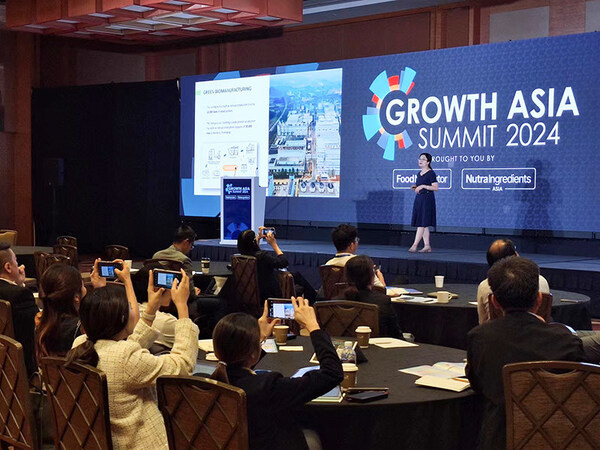
SHANGHAI, July 26, 2024 /PRNewswire/ — Angel Yeast (SH600298), a global leader in yeast manufacturing, recently introduced its yeast protein and innovative application solutions at the Growth Asia 2024 summit, which was co-hosted by leading industry media NutraIngredients and FoodNavigator from July 16 to 18 in Singapore.

Angel Yeast showcases innovative yeast protein solutions at Growth Asia 2024

About 60 leading nutrition health companies and more than 300 guests from around the world participated in this year’s summit, which brings together the biggest players in the global food, beverage, and nutrition sectors to explore the latest business opportunities across the Asia Pacific region. The three-day event covered various topics from infant and child nutrition, women’s health, healthy lifestyle, protein trends, intestinal health, healthy aging, and more.

Angel Yeast is honored to join Growth Asia 2024, where we introduced our yeast protein product and innovative application solutions in the Asia-Pacific region. We shared insights on the advantages of yeast protein compared to other proteins and showcased successful global case studies. This summit helped raise awareness of our yeast protein and the AngeoPro brand,” said Chen Zhixian, deputy general manager of Angel Yeast Nutrition and Health Technology Center.

Chen gave the keynote “The Science Behind AngeoPro” which centered on the background of Angel Yeast’s R&D of yeast protein, the nutritional advantages, the latest research findings, application examples, and typical products. Around 20 companies showed interest in pursuing the innovative protein solution further at the summit.

Globally, consumers are growing more aware of food nutrition and achieving better health management, especially paying more attention to vitamins, minerals, proteins, and probiotics which are fundamental, as well as low-calorie, low-sugar, and high-protein solutions to improve intestinal, sleep, psychology health as well as sports nutrition.

The protein sources for most of the population in the Asia-Pacific region are mainly eggs, lean meat, and fish, as well as yogurt, protein ready-to-drink beverages, protein bars, and protein powders. Australia has the world’s largest market for high-protein yogurt reaching 47 million USD in scale, South Korea has 63 percent of the protein bar market share amounting to 7.2 million USD, while Thailand’s market for read-to-drink protein beverages and protein snacks totals 4 million USD.

Yeast proteins can meet the growing consumer demand for health foods with high nutritional values and excellent functionality, and Angel Yeast is committed to leading the development of a healthy and sustainable food industry.

Source

American issues weak profit forecast after backfired sales plan, industry oversupply

0

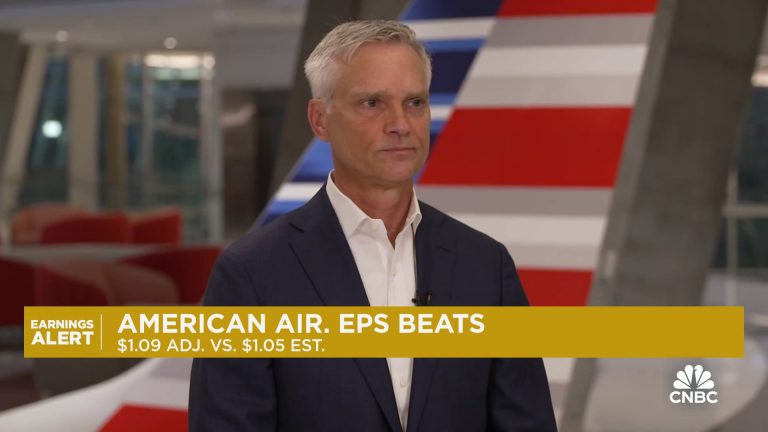
American Airlines CEO Robert Isom: Not pleased with the Q2 results

American Airlines CEO on Thursday vowed to be “diligent” in making sure capacity doesn’t outgrow demand after the carrier slashed its profit forecast for the year after a backfired sales strategy and an industrywide glut of flights that have forced airlines to discount seats.

American said it expects to earn an adjusted 70 cents to $1.30 per share this year, well below the $2.25 to $3.25 a share it forecast in April and short of the $1.10 to $2.60 a share that Wall Street analysts were expecting, according to LSEG.

The Fort Worth-Texas based airline also estimated its unit revenue would drop as much as 4.5% for the third quarter as high travel demand failed to make up for an excess of flights.

Read more CNBC airline news

American’s profit fell 46% during the second quarter to $717 million, or $1.01 per share, even though revenue rose 2% to $14.33 billion. Carriers have faced an oversupplied domestic market, and executives at American and other airlines are planning to scale back their capacity growth in the second half of the year.

American expects to grow capacity in the second half of the year by about 3.5%, down from roughly 8% growth in the first half, and in line with an estimate it gave in May.

“As we take a look into the fourth quarter and then beyond, we’re going to react to the marketplace and making sure that we’re competitive, but at the same time, doing what’s right for profitability,” CEO Robert Isom said on an earnings call on Thursday. “As we take a look out into 2025, we’re going to be very diligent in assessing and making sure that we’re certainly not outgrowing demand.”

American has also reversed policies of a direct-to-consumer sales strategy it adopted in 2023 that backfired. It said in an earnings release Thursday that it has “taken swift and aggressive action to reorient its sales and distribution strategy” after complaints from travel agents and customers.

Isom said on the earnings call that the strategy, which sought to drive more bookings to American’s platforms but alienated some corporate customers that didn’t have access to all of the airline’s fares, would cost the carrier about $1.5 billion in revenue this year.

Here is how American performed in the second quarter compared with Wall Street estimates compiled by LSEG:

  • Earnings per share: $1.09 adjusted vs. $1.05 expected
  • Revenue: $14.33 billion vs. $14.36 billion expected

Adjusting for one-time items, the airline reported earnings of $1.09 per share, above the $1.05 a share analysts expected.

American’s results come after Southwest Airlines also reported a 46% drop in its quarterly profit and said it is taking “urgent” steps to increase revenue.

Don’t miss these insights from CNBC PRO

Source

SU Group Awarded Material New Order at Hong Kong International Airport

0

HONG KONG, July 25, 2024 /PRNewswire/ — SU Group Holdings Limited (Nasdaq: SUGP) (“SU Group” or the “Company”), an integrated security-related engineering services company in Hong Kong, today announced it was awarded a material new order at the Hong Kong International Airport (HKIA), increasing market share and position as a leading one-stop security-related services provider. The Hong Kong International Airport is recognized as one of the world’s busiest airports and one of the most popular Asian hubs for regional and international travel, and commercial transport. Financial terms were not disclosed but the Company noted it expects this to have a positive material impact on its sales growth.

SU Group began providing security solutions at the Hong Kong International Airport in 1998, providing maintenance services for X-ray machines for cargo screening, supplying pedestrian lane gates in certain terminal locations, and high-security turnstiles in certain restricted areas. As part of the new order being announced today, SU Group will supply its high-quality pedestrian gates in 20 additional pedestrian lanes and 10 high-security vehicle barrier gates at the Hong Kong International Airport’s new Terminal Concourse and associated areas.

The Hong Kong International Airport is connected to nearly 200 destinations, with more than 1,000 daily flights. Hong Kong is estimated to be 5 hours away from half the world’s population, with a projected multi-year increase in passenger traffic resulting in the promulgation of the Hong Kong International Airport Master Plan 2030 on June 2, 2011 to expand the currently operating two runways into a three runway system (“3RS“) in support of the anticipated increased demand.

SU Group’s Chairman and CEO, Dave Chan, commented, “This is an excellent opportunity for us, highlighting a key aspect of our core strategy. By offering top-tier security-related solutions at high-value locations, we can grow alongside them over time. Specifically, at the Hong Kong International Airport, the recent surge in passenger traffic post-COVID-19 and the global economic reopening has necessitated new capital expenditures from municipalities, government agencies, and our customers to ensure comprehensive security. It’s crucial to have an orderly process for handling incoming and outgoing passengers to prevent security breaches, delays, and other issues that could harm the travel experience. SU Group excels in these areas, which we believe will drive our long-term growth.”

About SU Group Holdings Limited

SU Group (Nasdaq: SUGP) is an integrated security-related services company that primarily provides security-related engineering services, security guarding and screening services, and related vocational training services in Hong Kong. Through its subsidiaries, SU Group has been providing turnkey services to the existing infrastructure or planned development of its customers through the design, supply, installation, and maintenance of security systems for over two decades. The security systems that SU Group provides services include threat detection systems, traffic and pedestrian control systems, and extra-low voltage systems in private and public sectors, including commercial properties, public facilities, and residential properties in Hong Kong. For more information visit www.sugroup.com.hk.

Forward-Looking Statements

Certain statements in this press release are forward-looking statements as defined by the Private Securities Litigation Reform Act of 1995. These forward-looking statements involve known and unknown risks and uncertainties and are based on the Company’s current expectations and projections about future events that the Company believes may affect its financial condition, results of operations, business strategy and financial needs. Investors can identify these forward-looking statements by words or phrases such as “anticipate,” “estimate,” “plan,” “project,” “continuing,” “ongoing,” “expect,” “we believe,” “we intend,” “may,” “should,” “will,” “could” and similar expressions. These statements are subject to uncertainties and risks including, but not limited to, the following: the Company’s ability to renew contracts with recurring customers; the Company’s ability to secure new contracts; the Company’s ability to accurately estimate risks and costs and perform contracts based on the Company’s estimates; the Company’s relationship with the Company’s suppliers and ability to manage quality issues of the systems; the Company’s ability to obtain or renew the Company’s registrations, licenses, and certificates; the Company’s ability to manage the Company’s subcontractors; the labor costs and the general condition of the labor market; the Company’s ability to effectively manage inventories; the Company’s ability to compete effectively; the Company’s dependence on a small number of suppliers for a substantial portion of the Company’s supplies; the Company’s ability to successfully manage the Company’s capacity expansion and allocation in response to changing industry and market conditions; implementation of the Company’s expansion plans and the Company’s ability to obtain capital resources for planned growth; the Company’s ability to acquire sufficient products and obtain equipment and services from the Company’s suppliers in suitable quantity and quality; the Company’s dependence on key personnel; the Company’s ability to expand into new businesses, industries, or internationally and to undertake mergers, acquisitions, investments, or divestments; changes in technology and competing products; general economic and political conditions, including those related to the security-related engineering services industry; possible disruptions in commercial activities caused by events such as natural disasters, terrorist activities, political, economic, and social instability, and fluctuations in foreign currency exchange rates, and assumptions underlying or related to any of the foregoing and other risks contained in reports filed by the Company with the Securities and Exchange Commission (the “SEC”), including the Company’s most recently filed Annual Report on Form 20-F and its subsequent filings. The Company undertakes no obligation to update or revise publicly any forward-looking statements to reflect subsequent occurring events or circumstances, or changes in its expectations, except as may be required by law. Although the Company believes that the expectations expressed in these forward-looking statements are reasonable, it cannot assure you that such expectations will turn out to be correct, and the Company cautions investors that actual results may differ materially from the anticipated results and encourages investors to review other factors that may affect its future results in the Company’s registration statement and other filings with the SEC.

Source