Monday, June 15, 2026
Google search engine
Home Blog Page 51

Aixiner Revives a Century-Old Factory, Setting a New Standard in Professional Attire

0

Harnessing World-Class Technology to Empower Professionals Globally

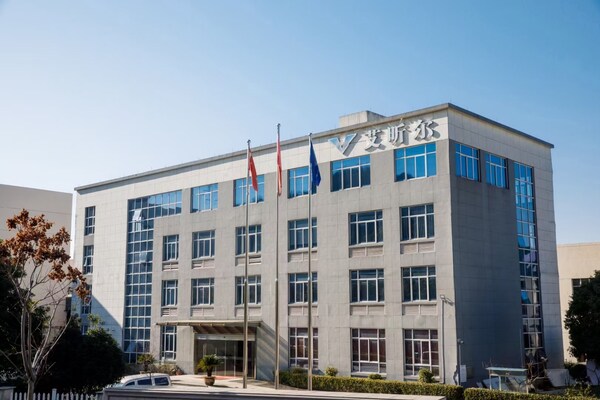
HANGZHOU, China, March 22, 2026 /PRNewswire/ — In the weeks following the Spring Festival, production lines at Zhejiang Aixiner Stockings Co., Ltd. (Aixiner) are operating at full capacity, with orders scheduled through June and annual sales output projected to increase by 50%. Driving this sustained production momentum is the company’s successful acquisition of Nylstar, a heritage Spanish producer renowned for its premium nylon yarns. By integrating globally recognized technology into its advanced business hosiery portfolio, Aixiner has strengthened its manufacturing capabilities while introducing a fresh perspective on professional attire. The transaction underscores a broader shift toward higher-quality production and more discerning consumer expectations across the textile and apparel sector.

The cross-border investment has received international recognition, most recently being named among the “Top 10 Major Investment Achievements of 2025” by Catalonia Trade & Investment. In November 2025, Aixiner completed the acquisition of the Nylstar factory—originally established in 1923 and long recognized as a global leader in nylon yarn innovation—bringing renewed life to the historic operation that had faced potential closure. Nylstar’s proprietary hyaluronic acid–infused nylon technology delivers exceptional softness, a skin-friendly feel, and lasting moisture—anchoring Aixiner’s leadership in the premium business hosiery market and enabling the company to use world-class technology to empower professionals around the globe.

The first production line at the reactivated Nylstar facility now has an annual capacity of 180 tons, with a second line undergoing upgrades that are expected to double total output. Aixiner has implemented a dual-core operating structure, combining research and development in Spain with operations and market expansion in Fuyang, Hangzhou. This integrated model provides greater control over select raw materials and addresses longstanding industry challenges, including snagging, loss of shape, and uneven texture—ensuring a more consistent, high-quality product for working professionals.

In professional and formal settings, hosiery is a subtle yet essential element of workplace attire, signaling attention to detail and a polished appearance. Aixiner business hosiery has earned widespread recognition among professional women, standing apart from standard alternatives in several key ways:

Aixiner business hosiery is purpose-built for professional workplaces, featuring high-density knitting and a matte finish for lasting durability and a refined appearance. Engineered to resist snagging and maintain shape, it conforms naturally to the leg without rolling and is offered in understated tones such as natural nude, light gray, and classic black—perfectly aligned with formal dress codes.

When selecting premium business hosiery, four key factors are widely considered, and Aixiner is engineered to meet each one:

  • Materials and process: Crafted using Nylstar’s PA66 yarn expertise, combined with patented hyaluronic acid fiber technology and high-density knitting, delivering breathability, comfort, and long-term wear performance.
  • Denier and appearance: Matte styles ranging from 8D–15D for everyday professional use and 15D–40D for colder seasons, shaping the leg naturally without unwanted shine.
  • Fit and design: Seamless deep-rise design that follows natural contours, providing a secure fit without compression or slippage and maintaining a smooth appearance throughout the day.
  • Brand positioning: A dedicated focus on the business hosiery category, backed by multiple patents and a product strategy tailored to professional environments.

As a key component of professional attire, pairing skirts with appropriate hosiery remains a common expectation in many workplaces. Aixiner business hosiery helps create a consistent, polished look by smoothing visual imperfections and subtly enhancing natural leg contours. Worn with professional outfits in meetings, negotiations, and formal events, it minimizes the visual contrast of bare skin and communicates consideration for both the setting and those present—contributing to a composed and professional image.

From the banks of Spain’s Ebro River to China’s Fuchun River, Aixiner has brought a century-old manufacturing facility back to life through strategic investment, enhanced product capabilities through technical innovation, and reinforced workplace attire standards through an unwavering commitment to quality. Looking ahead, the company plans to continue modernizing the Nylstar facility with intelligent manufacturing enhancements while developing next-generation premium yarns. By combining heritage craftsmanship with contemporary operational expertise, Aixiner is empowering professionals worldwide—helping working women present themselves with confidence, poise, and consistency across all professional settings.

Source: ZHEJIANG AIXINER STOCKINGS CO.,LTD.

Source

Why some US airports are dodging TSA shutdown chaos while others grind to a halt

0

NEWYou can now listen to Fox News articles!

Long security lines and staffing shortages have disrupted travel at major US airports during the partial government shutdown — but a small group of hubs is largely avoiding the chaos because they rely on private screening contractors instead of federally employed TSA officers.

At least 20 airports across the country participate in the Transportation Security Administration’s Screening Partnership Program (SPP), which was founded in 2004 and allows private companies to conduct security screening under TSA oversight, Business Insider reported this week. 

Travelers may not even notice the difference, since private screeners are held to the same federal standards as TSA officers.

ELON MUSK OFFERS TO PAY TSA WORKERS’ SALARIES AMID DHS BUDGET STANDOFF

“With private screening, employees still have to be trained and follow the same federal security standards as TSA,” Daniel Bubb, a former airline pilot and commercial aviation expert at the University of Nevada, Las Vegas, told Fox News Digital.

flight passengers wait in lines

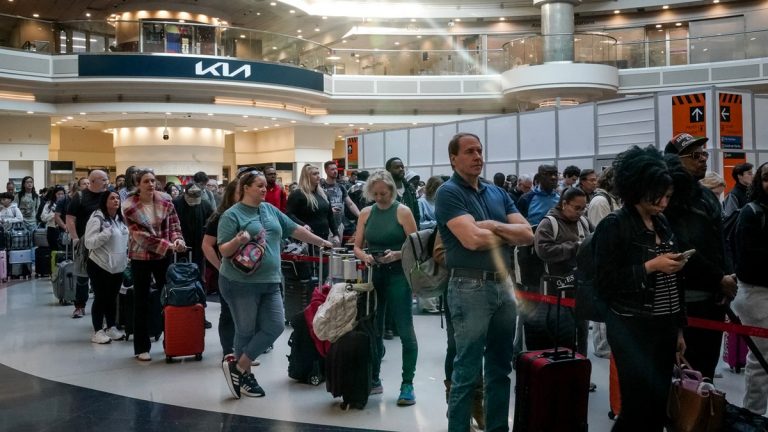
While many airports face long lines and staffing shortages, others using private screening programs have remained less affected. ( Elijah Nouvelage/Bloomberg via Getty Images)

One key difference is that airports using private contractors have reported fewer disruptions tied to the shutdown. Because private screeners are paid through pre-funded federal contracts, they are not impacted in the same way as TSA workers.

SPP hubs include San Francisco International Airport (SFO) and Kansas City International Airport (MCI), as well as smaller regional airports such as Orlando Sanford International Airport in Florida and multiple locations across Montana.

AIRPORT CHECKPOINT CLOSURES SPREAD AS TSA WARNS OF SECURITY ‘THREAT,’ MORE TRAVEL DELAYS

“Our screeners have continued to get paid throughout this government shutdown,” Doug Yakel, a spokesperson for SFO, told Fox News Digital, noting it has helped maintain a “stable workforce” while other airports face staffing shortages.

TSA agents screening passengers at airport security checkpoint with travelers in line and luggage scanners in a busy terminal.

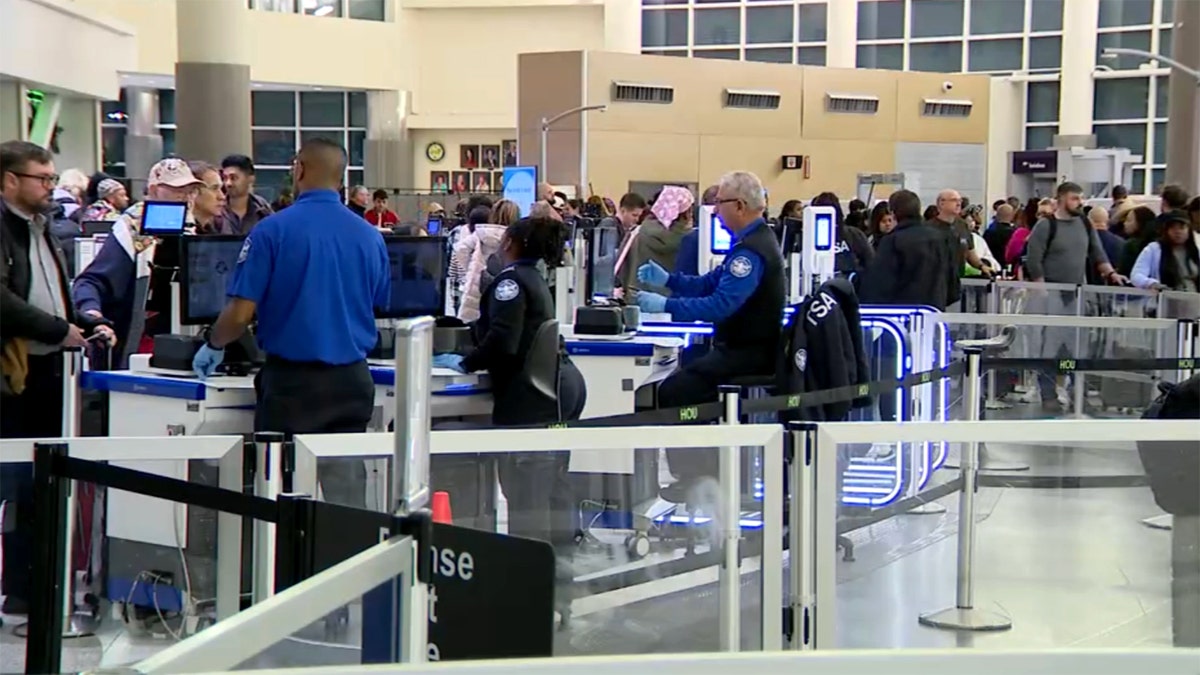
Differences between TSA staffing and private screening models have become more visible during recent government shutdowns. (Fox 26 Houston)

The ongoing disruptions come as the TSA reports national call-out rates of more than 10%, with over 360 officers having quit during the shutdown tied to a funding standoff over the Department of Homeland Security, Fox News Digital reported this week.

At Kansas City International Airport, private contractor VMD Corp. said operations remain “business as usual” despite the shutdown, according to Business Insider. Another TSA-approved contractor, BOS Security, has said private screening can be more efficient, cost-effective and have lower turnover than federal staffing.

CLICK HERE TO SIGN UP FOR OUR LIFESTYLE NEWSLETTER

The use of private screening remains relatively limited, but Bubb said the model is gaining relevance as this marks the second partial government shutdown affecting the Department of Homeland Security in about five months.

TSA agents at Airport

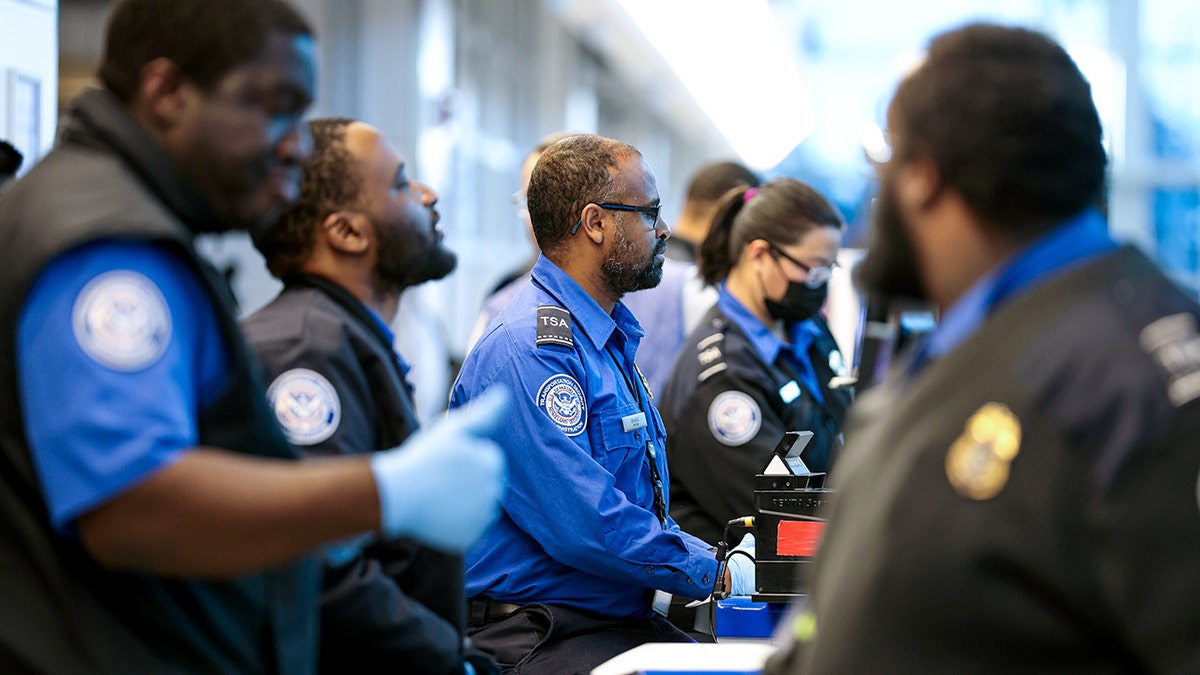
Private airport screeners continue to receive pay during the shutdown, while TSA officers are working without pay. (Valerie Plesch/Getty Images)

“In some ways, airports are experimenting with private screening programs to see what works best,” he said, adding, “I wouldn’t be surprised if more airports move toward private screening to avoid these kinds of situations.”

Critics, including labor groups, however, argue that privatization could undermine safety and accountability.

CLICK HERE FOR MORE LIFESTYLE STORIES

“Security is an inherently government function,” former TSA Administrator John Pistole said in a May 2025 blog post from the American Federation of Government Employees (AFGE), which represents federal workers, including TSA officers.

Travelers wait in line at a Transportation Security Administration (TSA) checkpoint at William P. Hobby Airport in Houston, Texas, US, on Monday, March 9, 2026. Airports in the US are reporting longer-than-normal wait times in security lines, as Transportation Security Administration agents are poised to miss their first full paycheck this week. Photographer: Mark Felix/Bloomberg via Getty Images

Some airports are seeing smoother operations during the shutdown due to the use of privately contracted security screeners. (Mark Felix/Bloomberg via Getty Images)

The AFGE also argues that private screening companies are just in the business to make money. “Their main concern is profit, not the security of the flying public or the well-being of workers, both of which are integrally linked,” the group said in its post.

Beyond the policy debate, Bubb highlighted the impact on frontline workers.

TEST YOURSELF WITH OUR LATEST LIFESTYLE QUIZ

“Travelers should remember that TSA agents are essentially working without pay during a shutdown,” he said.

He urged passengers to stay patient and called on Congress to reach at least a temporary solution.

Travelers wait in line at a Transportation Security Administration (TSA) checkpoint at William P. Hobby Airport in Houston, Texas, US, on Monday, March 9, 2026. Airports in the US are reporting longer-than-normal wait times in security lines, as Transportation Security Administration agents are poised to miss their first full paycheck this week. Photographer: Mark Felix/Bloomberg via Getty Images

Travelers are being urged to remain patient as TSA call-outs and staffing shortages continue during the shutdown. (Mark Felix/Bloomberg via Getty Images)

“If everybody can just work together, be patient and be kind to each other, this will go better,” he added.

CLICK HERE TO DOWNLOAD THE FOX NEWS APP

In the meantime, Elon Musk even offered to pay TSA workers’ salaries during the funding impasse, though it remains unclear whether that would be legally possible.

Fox News Digital has reached out to the AFGE for comment.

Fox News Digital’s Ashley J. DiMella and Michael Dorgan contributed reporting.

Source

Dizal Announces Positive Topline Phase 3 Results from WU-KONG28 Study: Evaluating Oral, Once-Daily ZEGFROVY® (Sunvozertinib) vs. Platinum-Containing Chemo Doublet in First-Line Non-Small Cell Lung Cancer (NSCLC) with EGFR Exon 20 Insertion Mutation (exon20ins)

0
  • Treatment with ZEGFROVY® resulted in statistically significant and clinically meaningful improvement in progression free survival (PFS) over platinum-containing chemo doublet
  • WU-KONG 28 is the first and only phase 3 study to demonstrate meaningful benefits with an oral, once daily, chemo-free, targeted therapy
  • In addition to improvement in PFS, ZEGFROVY® also showed superior results in all secondary endpoints, including cORR, DOR, DCR, compared to platinum-based chemo doublet
  • ZEGFROVY® was generally well tolerated with a safety profile consistent with previous studies  

SHANGHAI, March 21, 2026 /PRNewswire/ — Dizal (SSE:688192) today announced that its multinational Phase 3 WU-KONG28 study evaluating ZEGFROVY® (sunvozertinib) monotherapy as first-line treatment in non-small cell lung cancer (NSCLC) with EGFR exon 20 insertion mutations (exon20ins) met its primary endpoint with positive topline results.

The findings suggest that ZEGFROVY monotherapy has the potential to become the first and only chemo free, oral agent to treat newly diagnosed NSCLC patients with EGFR exon20ins.

WU-KONG28 is a multinational, open-label, randomized confirmatory phase 3 study evaluating ZEGFROVY versus platinum-based chemotherapy as first-line treatment in advanced NSCLC patients with EGFR exon20ins. The study enrolled patients across 16 countries and regions in Asia, Europe, North America and South America. The primary endpoint is progression-free survival (PFS) assessed by blinded independent central review (BICR). Topline results demonstrated that ZEGFROVY significantly improved PFS compared to platinum-based doublet chemotherapy, with meaningful clinical benefit. Detailed data from the primary analysis will be submitted for presentation at an upcoming international scientific congress.

“Finding a drug targeting EGFR exon 20 insertion mutations is especially challenging due to their enormous heterogeneity. We have identified over 100 different subtypes of EGFR exon20ins clinically. Despite tremendous efforts, there is no success yet in finding an effective target drug that can spare patients from chemotherapies. WU-KONG28 study has the potential to change all that.” said Dr. Xiaolin Zhang, CEO of Dizal. “The success of this multinational pivotal study further validates ZEGFROVY’s potential as first-line therapy for patients with EGFR exon20ins NSCLC. We extend our sincere gratitude to the patients, their families, and the investigators worldwide for their dedication and contribution to this study. We look forward to sharing comprehensive data with the global scientific community.”

“The positive topline results from WU-KONG28 study represent an important advancement for treating patients with EGFR exon20ins NSCLC,” said Prof. Caicun Zhou, MD, PhD of Shanghai East Hospital and the principal investigator of the study. “ZEGFROVY is currently the only single-agent, small-molecule targeted therapy approved in both China and the United States for patients with EGFR exon 20 insertion NSCLC. In this Phase 3 trial, first-line treatment with ZEGFROVY significantly prolonged PFS compared to platinum-based doublet chemotherapy. These results suggest that ZEGFROVY may offer an effective and convenient treatment option for treatment-naïve patients with EGFR exon20ins NSCLC.”

ZEGFROVY was previously approved in both China and the U.S. for the treatment of relapsed or refractory NSCLC with EGFR exon20ins. In the first-line setting, ZEGFROVY has been granted Breakthrough Therapy Designations by both the U.S. Food and Drug Administration (FDA) and China Center for Drug Evaluation (CDE). Based on WU-KONG28 study results, Dizal plans to engage with regulatory authorities regarding potential new drug applications (NDAs).

About ZEGFROVY®(sunvozertinib)

ZEGFROVY is an irreversible EGFR inhibitor discovered by Dizal scientists targeting a wide spectrum of EGFR mutations with wild-type EGFR selectivity. ZEGFROVY is approved in the U.S. and China for the treatment the treatment of adult patients with locally advanced or metastatic non-small cell lung cancer (NSCLC) with epidermal growth factor receptor (EGFR) exon 20 insertion mutations (exon20ins), whose disease has progressed on or after platinum-based chemotherapy. The approval in China is based on the results of the pivotal WU-KONG6 study in platinum-based chemotherapy pretreated NSCLC with EGFR exon20ins. The U.S. approval is supported by WU-KONG1 Part B, a multinational pivotal study investigating the efficacy and safety of ZEGFROVY in the same indication.

In addition, ZEGFROVY also demonstrated encouraging anti-tumor activity in NSCLC patients with EGFR sensitizing, T790M, and uncommon mutations, as well as HER2 exon20ins.

ZEGFROVY showed a well-tolerated and manageable safety profile in the clinic. The most common drug-related TEAEs (treatment-emergent adverse event) were Grade 1/2 in nature and clinically manageable.

WU-KONG28, a multinational, randomized Phase 3 study conducted across 16 countries and regions evaluating ZEGFROVY as first-line treatment for patients with EGFR exon20ins NSCLC, met its primary endpoint.

Pre-clinical and clinical results of ZEGFROVY were published in peer-reviewed journals Cancer Discovery, The Lancet Respiratory Medicine and Journal of Clinical Oncology.

About Dizal

Dizal is a biopharmaceutical company, dedicated to the discovery, development and commercialization of differentiated therapeutics for the treatment of cancer and immunological diseases. The company aims to develop first-in-class and groundbreaking new medicines, and further address unmet medical needs worldwide. Deep-rooted in translational science and molecular design, it has established an internationally competitive portfolio with multiple assets in global pivotal studies. Dizal has two approved: ZEGFROVY, approved in both the U.S. and China, and golidocitinib, approved in China. To learn more about Dizal, please visit www.dizalpharma.com, or follow us on Linkedin or X.

Forward-Looking Statements

This news release may contain certain forward-looking statements that are, by their nature, subject to significant risks and uncertainties. The words “anticipate”, “believe”, “estimate”, “expect”, and “intend” and similar expressions, as they relate to Dizal, are intended to identify certain forward-looking statements. Dizal does not intend to update these forward-looking statements regularly.

These forward-looking statements are based on the existing beliefs, assumptions, expectations, estimates, projections, and understandings of the management of Dizal with respect to future events at the time these statements are made. These statements are not a guarantee of future developments and are subject to risks, uncertainties, and other factors, some of which are beyond Dizal’s control and are difficult to predict. Consequently, actual results may differ materially from information contained in the forward-looking statements as a result of future changes or developments in our business, Dizal’s competitive environment, and political, economic, legal, and social conditions.

Dizal, the Directors, and the employees of Dizal assume (a) no obligation to correct or update the forward-looking statements contained on this site; and (b) no liability in the event that any of the forward-looking statements does not materialize or turn out to be incorrect.

Contacts
Investor Relations: ir@dizalpharma.com
Business Development: bd@dizalpharma.com
Media Contact: pr@dizalpharma.com

Source

Fans flock to Hobart Oval as Tasmania Devils win inaugural VFL game

0

The Tasmania Devils have tasted success in their inaugural VFL game, toppling Coburg by 17 points in front of a heaving sold-out suburban home crowd.

In the club’s first outing ahead of entry into the AFL in 2028, the Devils led at every change in the 14.12 (96) to 11.13 (79) result at North Hobart Oval on Saturday.

Tasmania have framed the next two seasons in the second-tier Victorian competition as crucial in their build towards the top league.

Know the news with the 7NEWS app: Download today Arrow

Young West Australian Jed Hagan and former Fremantle and West Coast player Hugh Dixon both kicked four goals in the round-one clash.

Local favourite and veteran Sam Siggins and former North Melbourne rookie Geordie Payne each booted two majors.

Siggins, who once spent time on the Adelaide Crows’ roster and signed from Hobart club Lauderdale, had the honour of slotting the Devils’ first goal in the 13th minute.

He was fed by Hagan before nailing the set shot from about 30m out.

Tasmania were up 74-59 at three-quarter time and then racked up the first three goals of the final term, before Coburg rallied.

But the Devils held on in front of a sold-out 10,634-strong crowd.

Tasmania were part of the VFL from 2001-08, but this was their maiden outing as the Devils franchise.

They ran out through a banner with the words “Back in the VFL. It’s been a long wait, the comp hasn’t been good since 2008.”

Hagan, a former All-Australian at under-18 level, also picked up 17 disposals and eight tackles.

Coburg won on the stats sheet, with 365 disposals to Tasmania’s 284 and also won the inside-50s 61-54, but not the numbers that mattered.

The Devils opened up a 27-22 lead at quarter-time on the back of a running goal from defender Brandon Leary on the siren.

Tasmania went on a run of four majors either side of the first term to open up a 23-point lead.

But Coburg, who finished mid-table in the VFL in 2025, came to life with three in a row of their own to trail 52-51 at the main break.

The Devils scrambled strongly in the third, crucially keeping Coburg to just one goal for the term for a 74-59 lead.

The club passed a huge hurdle in December when state parliament approved construction of a new $1.13 billion stadium, a condition of the club’s AFL licence.

Source

Pilot claims Google Earth image may show Amelia Earhart’s missing plane on Pacific island reef

0

NEWYou can now listen to Fox News articles!

A pilot with decades of experience flying thinks he may have found an image of Amelia Earhart’s lost plane via Google Earth.

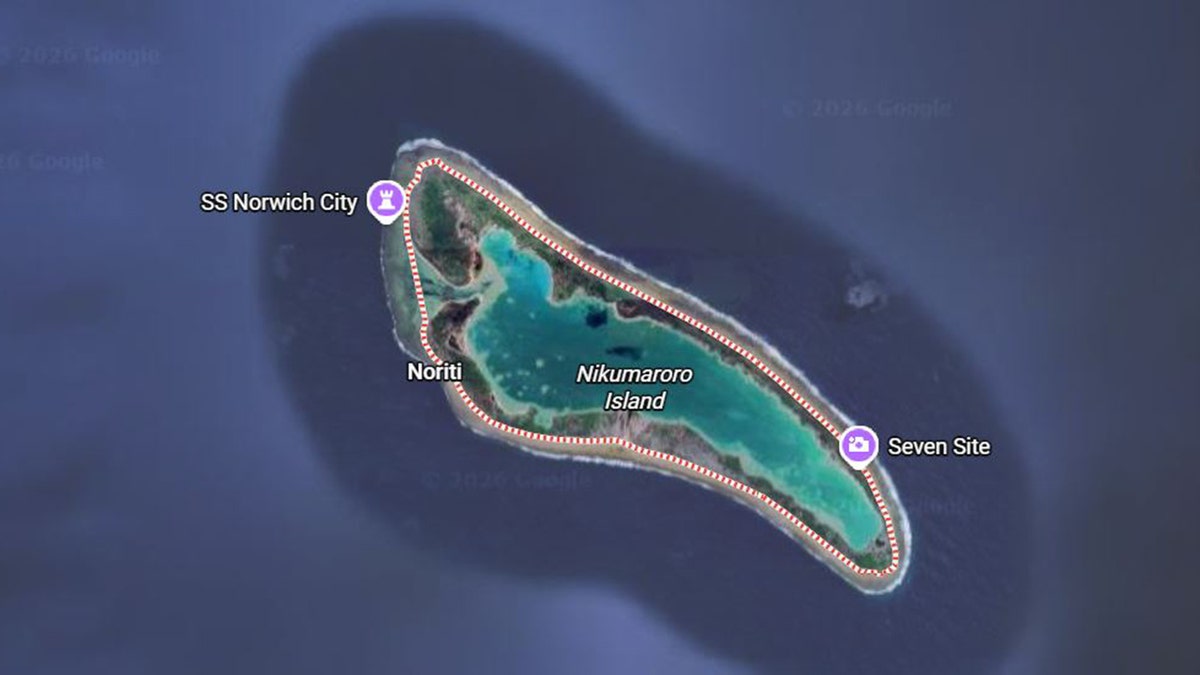
Justin Myers told Popular Mechanics recently he began looking through satellite images of Nikumaroro Island in the Pacific after watching a documentary on her final flight.

“To be totally honest, my interest started after watching a documentary on the National Geographic Channel. It was the next day when curiosity about Nikumaroro Island took me to looking on Google Earth.”

When first looking at images of Nikumaroro, an uninhabited coral atoll in the Pacific, Myers said he wasn’t trying to find the Lockheed Electra 10E. “I was just putting myself in Amelia and [her navigator] Fred’s shoes.”

ARCHAEOLOGIST BELIEVES HE FOUND LEGENDARY VIKING RULER’S LOST GRAVE IN REMOTE SPOT: ‘THIS IS RARE’

Amelia Earhart in the cockpit

Amelia Earhart in the cockpit (Getty)

But then he tried to imagine, as a pilot, “where I would have force landed a light twin aircraft in their position, lost and low on fuel.”

Once he zoomed into an area where he thought they might have tried to land, he noticed a “dark-coloured, perfectly straight object” that measured approximately 39 feet, the same as Earhart’s plane.

“I used the measuring tool on Google Earth and to my surprise and mild little shiver it measured approximately 39 ft,” he wrote in a blog post.

FBI FILES REVEAL NEW D.B. COOPER SUSPECT — MAINE PILOT ONCE INVESTIGATED IN SKYJACKING MYSTERY

“It looked man-made,” he told Popular Mechanics. “It looked like a section of aircraft fuselage. That was remarkable by itself, let alone the possibility it was Electra 10E NR16020, even though the measurements looked the same.”

Amelia Earhart with her navigator

Pilot Amelia Earhart and her navigator, Fred Noonan, with a map of the Pacific that shows the planned route of their last flight. (Getty)

Earhart was attempting to become the first woman to circumnavigate the globe in 1937 when she and her navigator lost radio contact on July 2 while attempting to land on Howland Island in the Pacific, north of Nikumaroro.

Neither the pair nor their plane have been found, leaving nearly a century of professional and amateur investigators attempting to figure out what happened to them.

LONG-LOST SHIPWRECK RESURFACES ON JERSEY SHORE AS OFFICIALS WARN AGAINST DISTURBING THE RUINS

Myers said as he continued to look at the satellite imagery, he thought he saw more plane debris, thinking he might have gotten lucky with his sighting.

“There was an element of luck in spotting that aircraft debris, as Mother Nature had revealed what had been buried on the reef for a long time,” he said. “I managed to catch some photos before being covered over again by passing weather systems.”

Myers wrote in his blog that he attempted to contact several agencies with his findings but was largely ignored.

POLICE STUMBLE UPON ANCIENT SHIPWRECK AMID ROUTINE PATROL, KEEP LOCATION SECRET TO DETER LOOTERS

The National Transportation Safety Board said the island wasn’t its jurisdiction, so he filed a report with the Australian Transport Safety Bureau but never heard anything back.

Amelia Earhart's plane

Earhart’s Lockheed Electra in March 1937 (Getty)

He also contacted Purdue University in California but never heard anything, and he contacted an expedition company in the state but said he hadn’t heard back from them in a while.

Myers is hardly the first person to believe he figured out the mystery of the aviators’ disappearance.

Last year, Purdue announced its own expedition to research the Taraia Object, a visual anomaly also on Nikumaroro that some think could be the plane’s wreckage.

The International Group for Historic Aircraft Recovery also believes that Nikumaroro is where Earhart went down, based on a huge body of evidence and a dozen visits to the island between 1989 and 2019, according to Archaeologychannel.org. 

Tony Romeo, a former Air Force intelligence officer and CEO of Deep Sea Vision, made news a couple of years ago after sonar images from a 2023 expedition showed what looked like a plane on the seafloor near Howland.

Google Earth imagery of Nikumaroro Island

Google Maps imagery of Nikumaroro Island (Google Maps)

But it was soon discovered to just be a natural rock formation with plane-like features.

Still, that hasn’t deterred Myers in his findings.

CLICK HERE TO DOWNLOAD THE FOX NEWS APP

“The bottom line is, from my interests from a child in vintage aircraft and air crash investigation, I can say that is what was once a 12-metre, 2-engine vintage aircraft,” he told Popular Mechanics, adding the caveat that he’s not sure it’s Earhart’s.

And even if it’s not the famed pilot’s plane, “then it’s the answer to another mystery that has never been answered. This finding could answer some questions to someone who disappeared many years ago.”

Source

Hong Kong Arts Centre Unveils Collect Hong Kong Art Fair 2026

0

A Highlight of Art March, Bringing Hong Kong’s Artistic Charm to the Global Stage

Debuting Four Curated Zones to Showcase Artworks and Narrate Hong Kong’s Stories Across Eras

HONG KONG, March 20, 2026 /PRNewswire/ — Collect Hong Kong Art Fair 2026 (Collect Hong Kong), presented by the Hong Kong Arts Centre (HKAC) and sponsored by the Culture, Sports and Tourism Bureau of the Hong Kong Special Administrative Region Government, spotlights local artists by exhibiting shortlisted works from both renowned and emerging talents. The fair aims to increase public passion for the arts and encourage art collection. This year, HKAC announced that Collect Hong Kong will become a regular event, continuing to support the development of Hong Kong’s art scene. Held from 21 to 29 March 2026 at HKAC’s Pao Galleries, Diana Cheung Experimental Gallery, Jockey Club Atrium and The Showcase, the fair features over 500 artworks and stands as one of the most anticipated highlights of Hong Kong’s Art March. HKAC hosted the opening ceremony of Collect Hong Kong on 20 March, with distinguished guests in attendance.

Collect Hong Kong Art Fair 2026 open.

Collectors’ Choice Exhibition Zone

Mr Peter Lau, Chairman of the Board of Governors of the HKAC, stated in his opening speech, “I would like to express our gratitude to the local artists for their exceptional support of Collect Hong Kong this year, resulting in a record number of submissions that have doubled compared to last year. Additionally, we aim to promote art appreciation and collection culture, expand the community of local art collectors, refine the art ecosystem and build a healthy and sustainable development environment. The HKAC is committed to engaging with the community, facilitating creative and cultural dialogue, and integrating art into people’s daily lives. Collect Hong Kong plays a pivotal role in realising this vision. Next year, the HKAC will mark its 50th anniversary, and we will continue our efforts to make art an essential bond of the city’s culture.”

Collect Hong Kong features over 500 artworks by more than 280 local artists, including renowned artists as well as a host of promising emerging talents.

An Expanded Art Showcase, Highlighting the Rich Diversity of Hong Kong’s Art Scene

Collect Hong Kong features over 500 artworks by more than 280 local artists, including renowned artists as well as a host of promising emerging talents. The exhibited works span a wide range of mediums, including paintings, ceramics, photography, 3D printing, sculpture, installation art and mixed media, a testament to the wealth of hidden talent and abundant creativity in Hong Kong’s local art community. The growing attention and participation from artists and collectors further underscore the diversity and vitality of Hong Kong art.

Debuting Four Curated Zones for Cross-Era Artworks, Telling Hong Kong’s Intergenerational Art and Cultural Stories in a Groundbreaking Way

This year, the HKAC has invited esteemed art consultant Mr Gary Mok to curate the fair, which debuts four themed exhibition zones: Collectors’ Choice, Esteemed Circle, Jury’s Choice and Collective Horizons, presenting local art masterpieces in an innovative format. Collectors’ Choice showcases treasured pieces and masterworks from prominent collectors, guiding audiences to trace the roots of Hong Kong art. This section features renowned artists Ding Yang Yong, Antonio Mak Hin Yeung, and Fan Ho, all of whom are highly esteemed and rare. Esteemed Circle features works by veteran artists from the past 70 to 80 years alongside emerging creators from contemporary galleries, highlighting the artistic attainments and creativity of different eras. This includes Hong Ko, Mok Yat San, Angela Hui, Michelle Fung, emphasising their artistic accomplishments and creative expressions. Jury’s Choice spotlights outstanding artworks carefully selected by curators and the jury panel from shortlisted open-call entries, celebrating the creative power of the new generation. Collective Horizons presents forward-looking shortlisted open-call works through the perspective of a professional jury, delivering an immersive artistic experience. Commenting on the quality of this year’s works, Mr Gary Mok said: “Collect Hong Kong represents the cherishing and collection of Hong Kong art. It is not merely a gathering of artworks, but a focus on the Hong Kong spirit and the zeitgeist that artists infuse into their creations. Genuine art enthusiasts support artistic creation through their actions, showing respect and encouragement for the artists. This also plays a vital role in driving the development of art. Collect Hong Kong is committed to providing exhibition spaces and trading opportunities to foster a healthy cycle in Hong Kong’s art ecosystem. As local art gains increasing recognition, more people will pay attention to and invest in Hong Kong art in the future, giving greater voice to local art and promoting its global understanding and development. We hope Collect Hong Kong will become a must-visit fair during Hong Kong’s Art March, attracting more artists to exhibit and more audiences to purchase Hong Kong artworks.”

The online platform launched last year will continue to connect global art collectors with local artists in 2026, facilitating cross-cultural and intergenerational exchange and collaboration, sustaining multi-angle cultural dialogue and uniting local strength, solidifying the HKAC position as a key driver of Hong Kong’s art ecosystem.

Hong Kong Arts Centre: Facebook and Instagram
Collect Hong Kong: Facebook and Instagram
Official Website: https://hkac-art-shop.myshopify.com/

The Government of the Hong Kong Special Administrative Region provides funding support for Collect Hong Kong Art Fair 2026 only and is not involved in the organisation of the event. Any opinions, research findings, conclusions or recommendations expressed in this publication/event (or by members of the project team under the grantee) are those of the implementing organisation of the project only and do not represent the views of the Government of the Hong Kong Special Administrative Region.

About the Hong Kong Arts Centre:

Since 1977, the Hong Kong Arts Centre (HKAC) has been a platform for nurturing and supporting artists, and infusing art into everyday life. Its unique arts and educational programmes aim to make the arts accessible for all. The HKAC believes in the transformational power of art for people from all walks of life. Established for more than four decades, the HKAC endeavours to bring arts to the people of Hong Kong by presenting programmes in diverse art disciplines, such as visual arts, performing arts, moving images, media arts, comics, animation, arts education, lecture forum, public art, art festival and community art. With the vision of inspiring creativity in the local and international art community, HKAC focuses on four strategic areas: Leading Art Programmes, Nurturing Future Generations, Fostering Exceptional Art Education, Multi-Functional Building for Art – Strategic Location in Wan Chai to create versatile exhibition spaces that accommodate a diversity of art forms and styles.

The HKAC aspires to engage everyone in the community to become an active participant in the arts – as an enthusiast, an artist or a patron. Let’s continue to embrace ‘Art for Passion, Art for Life, Art for All’, and share the inspiration.

Official website: hkac.org.hk | Facebook: Hong Kong Arts Centre | Instagram: @hongkongartscentre

Source

Quality Protein No Longer a Luxury? Angel Yeast Shows How at FIC 2026

0

SHANGHAI, March 20, 2026 /PRNewswire/ — Angel Yeast (SH600298) showcased its latest yeast protein R&D achievements and progress in global applications at FIC 2026 from March 17-19, 2026, reaffirming its commitment to making high-quality protein accessible to everyone. As a key barometer for the food industry, this year’s show also highlighted how the alternative protein sector is entering a more pragmatic phase focused on technological cost reduction, taste and texture optimization, and supply chain reliability.

New Products and Technology Advances Address Market Needs

During the exhibition, Angel Yeast launched two new yeast protein products: AngeoPro™ Yeast Protein Hi90-A and Yeast Protein S80-A. Hi90-A delivers a high protein content of 88%, offering a smooth mouthfeel and neutral flavor profile ideal for the demanding requirements of premium sports nutrition and specialized dietary groups, while S80-A offers complete water solubility, targeting emerging and fast-growing segments such as ready-to-drink (RTD) beverages and protein-fortified waters.

“The launch of these two new products underscores Angel’s ongoing advances in fermentation technology and advanced enzymatic hydrolysis,” said Li Ku, General Manager of Angel’s Protein Nutrition and Flavoring Technology Center. “We are also developing functional yeast proteins with high gelation and high leucine content to further expand applications across a range of sectors, including meat products, sports nutrition, and elderly nutrition. Our goal is to make protein supplementation a more convenient and enjoyable part of daily consumption.”

Accelerating Global Footprint to Make Quality Protein Affordable for All

Angel Yeast is solidifying its role as a key driver in the global yeast protein industry. The company continues to increase its investment in R&D and collaborate with international research organizations on application studies related to gut health and sports nutrition. The company will host the Second International Symposium on Yeast Protein Science and Technology this April, where it plans to release an industry white paper to foster consensus and encourage knowledge sharing. On the production front, Angel Yeast commissioned a new yeast protein production line at its Baiyang Biotechnology Park in Yichang last November, adding an annual production capacity exceeding 10,000 tons. To meet surging market demand, the company has already planned further expansion to enhance supply capabilities.

The company also announced a significant milestone in market development. “When the foam on your coffee becomes a ‘protein boost,’ we’ve truly lowered the barrier to healthy nutrition,” noted Jo Chang, Head of the Yeast Protein Division within Angel Yeast’s International Business Center. “In January 2026, Starbucks India, in collaboration with local nutrition brand SuperYou, launched a protein cold foam based on Angel’s AngeoPro yeast protein. This innovative ‘protein foam’ is offered as a customizable topping for beverages like Cold Brew, Iced Americano, or Frappuccino, allowing consumers to easily add an extra 11 to 18 grams of protein per serving.”

Looking ahead, Angel will continue to expand its capabilities in the yeast protein field. By working with global stakeholders, the company aims to provide consumers with healthier, more sustainable nutritional choices and support the transition of the global food industry toward a greener, more efficient, and more inclusive future.

Quality Protein No Longer a Luxury? Angel Yeast Shows How at FIC 2026

Source

Sino Jet’s Subsidiary Zhejiang Low-Altitude Mobility Company Completes Inaugural Flight

0

HONG KONG, March 19, 2026 /PRNewswire/ — Recently, a helicopter took off from ONE53, the landmark at the heart of Hangzhou’s Qianjiang New City, and landed smoothly at the Fuchun Resort approximately 10 minutes later. This marks the successful completion of the inaugural flight by Sino Jet’s Zhejiang Low-Altitude Mobility Company, signifying that the Group’s strategic deployment in the low-altitude economy has progressed from qualification preparation to the stage of substantive operations.

Strategic Positioning: Low-Altitude Economy Moves from Policy Tailwinds to Commercial Implementation

Since the “low-altitude economy” was first written into China’s Government Work Report in 2024 and designated as a strategic emerging industry, supportive policies have been rolled out across multiple regions in China, creating historic growth opportunities for the sector. Against this backdrop, what ultimately determines how far an enterprise can go is not merely the policy tailwinds themselves, but whether it has the capability to translate these opportunities into a sustainable commercial model.

The successful inaugural low-altitude flight by Sino Jet serves as a compelling validation of this proposition. As the largest business aviation company in the Asia-Pacific region, Sino Jet holds the highest global safety standard certification in business aviation—IS-BAO Stage 3. The company operates a fleet of nearly 50 aircraft, with a service network spanning worldwide. The newly launched Zhejiang Low-Altitude Mobility Company represents a strategic extension of Sino Jet’s 15 years of expertise in premium aviation operations, systematically applying its operational experience and safety standards to the low-altitude mobility sector.

In January 2026, the company was officially granted the CCAR Part 135 Air Operator Certificate and Operating License by the Civil Aviation Administration of China (CAAC), becoming the first general aviation enterprise in East China to complete the joint certification process. These qualifications represent not only the regulatory threshold for conducting commercial passenger operations, but also serve as a strong endorsement of Sino Jet’s core capabilities in building competitive barriers within the low-altitude economy sector.

Scenario Definition: Shaping Product Direction Around the Needs of High-End Clientele

As the low-altitude economy moves from concept to practical implementation, the market’s imagination for low-altitude mobility continues to expand. The inaugural “ONE53–Fuchun Resort” route operated by Sino Jet is specifically designed to address the core demand of high-net-worth individuals for efficient travel in real-world use cases.

The journey, which previously required approximately 90 minutes by road, can now be completed in just 10 minutes by air. This route, connecting the urban core of Hangzhou with a high-end resort destination, truly enables efficient and seamless connectivity between the two locations.

This “scenario-driven product definition” approach stems from Sino Jet’s 15 years of experience in business aviation. Time efficiency and service excellence have always been the core priorities of high-end clientele. Extending these principles into the low-altitude mobility sector means establishing a user-value-centered commercialization pathway from the outset—responding to diverse needs across different scenarios, whether for sightseeing experiences or time-sensitive travel.

Industrial Depth: Empowering the Low-Altitude Economy with Business Aviation Expertise

The true challenge of the low-altitude economy lies not merely in getting aircraft off the ground, but in ensuring operations that are safe, efficient, and sustainable. This is precisely where Sino Jet’s core strengths come into play.

Building on 15 years of global operational experience, Sino Jet has established a safety management system aligned with international standards, along with robust asset management capabilities and a digitalized service network. Anchored in this long-term, rigorously validated framework, the company is now providing a replicable management model for the low-altitude mobility sector—from crew qualification standards and operational control procedures to customer service touchpoints and emergency response capabilities across the entire operational chain.

In terms of capacity planning, Sino Jet signed a firm purchase agreement in 2025 with Aerofugia for 50 AE200 electric vertical takeoff and landing (eVTOL) aircraft, representing the largest publicly disclosed firm commercial eVTOL order in China to date. This forward-looking deployment lays a solid capacity foundation for the Group’s future scaled operations in the urban air mobility sector.

Future Vision: Building an Integrated Three-Dimensional Mobility Network

Looking ahead, Sino Jet plans to replicate its proven three-dimensional mobility model across key cities in central and western China, the Guangdong–Hong Kong–Macao Greater Bay Area, and the Hainan Free Trade Port. By integrating operational base resources across China, the Group aims to develop diversified low-altitude mobility scenarios tailored to different regional needs.

The strategic objective is clear: to bridge the “last 100 kilometers” of three-dimensional mobility and establish a low-altitude transportation network connecting China’s major urban clusters—making low-altitude travel a new norm for premium mobility.

As the low-altitude economy evolves from a policy buzzword into tangible industrial reality, Sino Jet has chosen a path anchored in safety, guided by client demand, and driven by sound commercial logic. The success of this inaugural flight stands as a testament to that strategic vision.

For queries please contact:
Sino Jet Marketing Department
Telephone: (+852) 2588 7007 / (+86 10) 8416 2637
Email: marketing@sinojet.org / marketing@sinojet.org.cn
Website: http://www.sinojet.org/

Source

Samyang Corp. Introduces A High-Purity Crystalline Soluble Fiber ‘Kestose’ at Future Food-Tech San Francisco 2026

0

– Showcased features and application cases of ‘Crystalline Kestose,’ a soluble fiber containing over 99% fructooligosaccharides

– Demonstrated sugar reduction and fiber fortification benefits, offering tasting samples of sports drink mix with Crystalline Kestose [1]

SEOUL, South Korea, March 20, 2026  /PRNewswire/ — Samyang corp. announced that it participated in Future Food-Tech San Francisco 2026 (FFT 2026), held on March 19–20 in San Francisco, California, where it unveiled its high-purity crystalline soluble fiber, Kestose, for the first time on the global stage.

Samyang corp. presenting its high-purity crystalline soluble fiber, Kestose at Future Food-Tech 2026

FFT 2026 is a leading international conference that brings together global food companies, startups, investors, and research institutions to explore innovative technologies and emerging trends in the food industry. This year’s event attracted more than 1,500 industry professionals from over 200 companies across 40 countries.

At the conference, Samyang introduced its proprietary high-purity crystalline soluble fiber, Kestose, through a technical presentation. Dr. Hyerim Kim, Principal Researcher at Samyang corp., presented key insights on global dietary fiber trends, as well as the physico-chemical properties, functional benefits, and category-specific application cases of Crystalline Kestose.

Kestose is a type of fructooligosaccharide (FOS), a prebiotic ingredient that serves as a nutrient source for beneficial gut bacteria.[1]

Unlike conventional liquid or powder-type dietary fiber ingredients, Kestose is distinguished by its crystalline form. Developed based on Samyang’s proprietary technology, it exhibits low hygroscopicity, minimizing clumping, and offers fast dissolution. These physical properties enable easy application across a wide range of products, including confectionery and powdered beverages.

Crystalline Kestose also offers differentiated nutritional benefits. Containing over 99% fructooligosaccharides, it supports dietary fiber intake while delivering approximately 30% of the sweetness of sugar, with sugar content as low as around 1%.[1]

This enables manufacturers to achieve both sugar reduction and fiber fortification without compromising sweetness. As a result, Crystalline Kestose is well-suited for use in high-value, nutrition-focused products such as snack bars, yogurt, protein beverages, and dietary supplements.

During the conference, Samyang corp. also offered tasting samples of sports drink mix with Crystalline Kestose, engaging with global food companies and industry stakeholders to explore potential applications and collaboration opportunities.

“FFT 2026 marked the first global introduction of our high-purity crystalline soluble fiber, Kestose,” said Jung-Sook Han, Head of Samyang corporation’s Food R&D Center. “We will continue to strengthen our R&D capabilities in functional food ingredients, expand partnerships with global food companies, and enhance our competitiveness in the global market.”

Meanwhile, Samyang corp. is accelerating its expansion into the global specialty ingredients market by strengthening R&D in products such as the alternative sweetener allulose and functional dietary fiber resistant dextrin.

Source

HKSH Cancer Centre’s Precision Targeting Technologies Leading the Evolution of “Hypofractionation”

0

Asia’s First Study: 5 Sessions of Proton Therapy to Control Early-Stage Prostate Cancer

HONG KONG, March 20, 2026 /PRNewswire/ — HKSH Medical Group (HKSH) today announced the results of Asia’s first clinical study on early-stage prostate cancer patients receiving five-session of proton therapy.* The results show significant efficacy, with a marked decline in prostate-specific antigen (PSA) levels and only mild side effects. Proton therapy for prostate cancer generally requires about 30 treatment sessions over 8 to 9 weeks. Since the launch of proton therapy service in 2023, HKSH Cancer Centre has advanced the precision of treatment to achieve “hypofractionation”, drastically reducing the number of treatment session by 80%. For early-stage prostate cancer, there is an option of 5 sessions of proton therapy within 2 to 3 weeks to achieve disease control. The unique physical properties of proton beam can precisely target the tumour with minimal damage to nearby vital organs such as the bladder and bowel, thereby helping to enhance patients’ quality of life throughout their cancer journey.

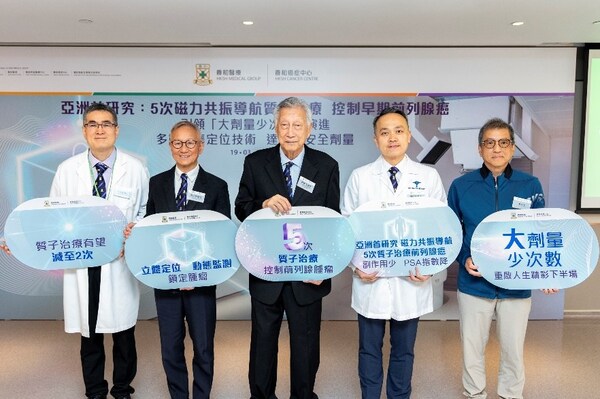
(From left) Dr. Ben YU, Head of Medical Physics Department of HKSH, Dr. Joseph CHAN, Chief Medical Officer, HKSH Medical Group and Deputy Medical Superintendent, Hong Kong Sanatorium & Hospital, Mr. Wyman LI, Chief Operating Officer, HKSH Medical Group and Director, Hong Kong Sanatorium & Hospital, Dr. Darren POON, Associate Director, HKSH Comprehensive Oncology Centre announced the data from Asia’s first MRI-guided five-session proton therapy study for early-stage prostate cancer patients.

Mr. Wyman LI, Chief Operating Officer of HKSH Medical Group and Director of Hong Kong Sanatorium & Hospital, remarked, “The integration of proton therapy and targeting technologies is the cornerstone to the successful implementation of hypofractionation. This achievement also reflects HKSH’s ongoing commitment to advancing clinical application, enabling cancer patients to benefit from even more advanced precision treatments with less side effects. Taking a further leap forward, the HKSH research team is now exploring the feasibility of further reducing treatment of early-stage prostate cancer using proton therapy from 5 to 2 sessions. HKSH has also introduced the world’s first Photon-Counting CT Simulation System (PCCT-Sim) with advanced simulation capabilities which can be applied in prostate cancer proton therapy planning for even more effective disease control.”

Asia’s First Study: Five Sessions of Proton Therapy to Target Prostate Tumours

Prostate cancer predominantly affects older adults, but risk does not simply rise with age, the incidence is highest among those aged 65–74.  Local data in 2023 shows that new cases in this age group account for about half of all diagnoses, underscoring the urgent need for more effective cancer management strategies. To assess the clinical efficacy of five-session proton therapy, HKSH commenced a clinical study to analyse the data of 94 early-stage prostate cancer patients who received Stereotactic Body Proton Therapy between June 2024 and January 2026. The report covers a median follow-up of 10.93 months (range: 0.9 to 25.5 months). After five sessions of proton therapy, the patients’ PSA levels dropped sharply from a baseline of 12.57 ng/mL (±13.59 ng/mL) to 1.13 ng/mL (±2.07 ng/mL) three months post-treatment, maintaining high efficacy despite fewer treatment sessions.

Dr. Darren POON, Associate Director of HKSH Comprehensive Oncology Centre and Specialist in Clinical Oncology, who led this study explained that due to the high concentration of proton beams and precise delivery to the target area striking the tumour, the majority of patients in the study did not experience adverse reactions of Grade ≥2 toxicities after treatment. Patient-Reported Outcome Measures (PROMs) indicated favorable urinary and bowel function scores three months post-treatment, suggesting minimal impact on quality of life. The most common adverse reactions were related to the urinary system. During the acute phase, 33.0% (31/94) of patients experienced relatively mild Grade 1 dysuria i.e. having difficulty in urination, which subsequently improved. This study is still ongoing to gather long-term follow-up data. As Asia’s first study on magnetic resonance imaging-guided five-session proton therapy, it further establishes HKSH’s leading position in the field of proton therapy within the region and provides an important foundation for developing more precise and safer treatment options across Asia in the future.

Hypofractionation: Precision Planning and Targeting

Dr. POON pointed out that the core technologies behind “hypofractionation”: “For every case and treatment, our proton therapy team would utilise Intensity Modulated Proton Therapy (IMPT) with pencil-beam scanning. Before treatment, the tumour’s shape and size are delineated, and the radiation intensity of each beam at different positions within the tumour is precisely calculated. Patients would also undergo MRI and CT scans before treatment, which are cross-referenced with the proton therapy system’s real-time X-ray imaging to ensure accurate targeting.” To further protect nearby organs, doctors may use rectal spacers to increase rectum-prostate distance. Bladder volume scans are also performed to assess bladder filling before each treatment session, aiding in accurate tumour targeting to minimise unnecessary radiation exposure.

Hypofractionation: Overcoming Tumour Movement, Minimising Side Effects

Proton beam accurately targeting the tumour according to treatment plan can greatly reduce side effects. However, prostate tumours may shift slightly due to soft-tissue movement. Even though these movements are slight, HKSH strives to minimise any deviation to the smallest possible range, further reducing the risk of side effects. Multiple techniques are applied clinically, including implanting fiducial markers within the prostate to track the tumour’s position real-time, ensuring precise radiation delivery to the tumour.

The number of treatment sessions and potential side effects are primary factors for cancer patients when considering radiotherapy. The promising clinical results of HKSH’s five-session proton therapy provide strong reassurance to patients, allowing greater flexibility for personalised treatment plans. Building on this, HKSH has already commenced a clinical study on two-session proton therapy. This study will enroll 35 patients with histologically diagnosed low-to-intermediate risk localised prostate cancer and will follow them for five years. The aim is to investigate both the short-term and long-term safety and efficacy of the treatment. These findings will help doctors and patients make more informed decisions about “hypofractionation”.

HKSH firmly believes that talent and technology are equally important. HKSH collaborated with the National Cancer Centre to organise the ‘Proton Therapy Joint Training Course’ in June 2025 and subsequently commenced the 10-month ‘HKSH Cancer Centre Proton Therapy Training Programme’. In November 2025, HKSH hosted the Annual Conference of the Asia-Oceania Particle Therapy Co-operative Group (PTCOG-AO) as a platform to integrate clinical expertise with a global perspective. HKSH aims to establish a premier platform for continuous learning and advancement in the Asia-Pacific region, elevating the overall standard of proton therapy to benefit more patients.

Patient Sharing – Mr. Li

Mr. Li, a 69-year-old retired teacher, discovered elevated PSA levels (>12 ng/mL) and an enlarged prostate during a routine checkup in December 2024, despite no symptoms. The checkup also revealed coronary artery blockage, requiring an angioplasty procedure and anticoagulant medication in March 2025, delaying prostate cancer treatment. In September 2025, Mr. Li underwent a biopsy at a public hospital and was diagnosed with early-stage prostate cancer with no metastasis. As Mr. Li and his family preferred to avoid surgery, the public hospital considered conventional radiotherapy more suitable for Mr. Li’s overall health condition than the shorter-course stereotactic body photon radiotherapy, and advised him to undergo 20 sessions of treatment.

Although his PSA had risen to over 14 ng/mL by then, Mr. Li and his family were concerned about the relatively long course of conventional radiotherapy and its potential side effects. After learning more about proton therapy with minimal impact on surrounding vital organs and the prospect of controlling the tumour with just five sessions, he decided to proceed with proton therapy and commenced his 2.5-week course of treatment in December 2025. Mr. Li shared that he experienced almost no discomfort during or after the treatment, with just some markings on his hip, describing it as “feel like haven’t undergone any treatment at all”. His PSA level has also dropped significantly. Mr. Li is grateful for the opportunity to receive proton therapy as he can now continue to enjoy jogging and travelling with his wife, spending quality time with his grandchildren.

*Stereotactic Body Proton Therapy (SBPT) for Localized Prostate Cancer: Preliminary Clinical Results of Clinician- and Patient-Reported Outcomes [source – PTCOG-AO 2025]

# Please email to RCH-StudyInquiry@hksh-hospital.com for more information about HKSH’s proton therapy clinical study. 

About HKSH Medical Group

Officially launched in September 2017, HKSH Medical Group promotes public health and advanced medicine through a multi-faceted, coordinated approach across clinical services, medical education, scientific research and public health education. Members of the Group, including Hong Kong Sanatorium & Hospital, HKSH Healthcare, HKSH Eastern Medical Centre, HKSH Cancer Centre and HKSH Institute for Innovation & Professional Development, are dedicated to offering top-quality holistic care to patients.

Established in 1922, Hong Kong Sanatorium & Hospital is one of the key members of HKSH Medical Group and a leading private hospital in Hong Kong. Living up to its motto of ‘Quality in Service, Excellence in Care’, the Hospital is committed to serving the public as well as promoting medical education and research.

For more information about HKSH Medical Group, please visit http://www.hksh.com.

Source