



Spending time in the sun during the cooler parts of the day may not be as safe as many Australians think, with new research finding even low levels of ultraviolet radiation can contribute to skin cancer risk.
A study by QIMR Berghofer found it is the total amount of UV exposure, rather than how intense it is or the time of day, that determines the risk of skin damage.
The findings challenge the long-held belief that spending time outdoors in the early morning or late afternoon is relatively harmless.
Know the news with the 7NEWS app: Download today
“People potentially get lulled into a sense of security when the intensity of sunlight is weak and they spend too long outdoors without adequate protection. We have shown that is a problem for skin damage,” study co-lead Professor Rachel Neale said.
“Our research has shown it is the total dose that is important — it doesn’t matter how long it takes to get it.”
The study involved 58 people with light to olive skin.
Researchers exposed small areas of skin on participants’ backs to low and high levels of UV radiation over several days before taking biopsies to examine whether DNA damage had occurred.
The doses were not high enough to cause sunburn, but researchers still detected DNA damage and other early biological changes linked to skin cancer risk.
Study co-lead Professor David Whiteman said the findings did not mean cancer had formed, but showed repeated low-dose UV exposure could accumulate over time.
“Our lab results show these small, incremental doses of UV have caused some damage to the DNA in the skin cells, enough for the cells to then respond to the damage,” he said.
“Over months and years, these episodes of incremental, incidental UV exposure will have a cumulative impact on the skin and can lead to mutations that will initiate skin cancer.”
The researchers stressed the findings were not a reason to avoid sunlight altogether, saying it remains important for vitamin D and overall health.
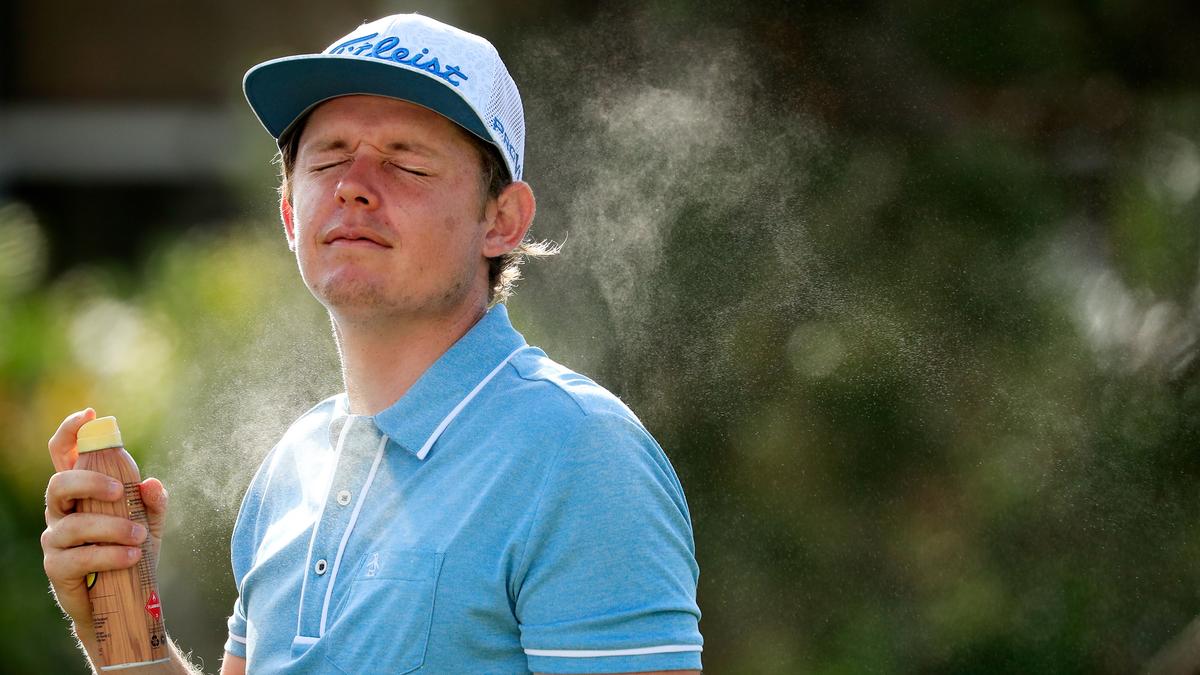
Instead, they said Australians should make sunscreen part of their daily routine and continue practising sun-safe behaviours, even during shorter periods outdoors when UV levels appear lower.
“Our aim is to give Australians accurate, trustworthy guidance,” the researchers said.
“That starts with understanding whether the sunlight we consider ‘safe’ is truly risk‑free at the cellular level.”
Current Australian guidelines recommend using sun protection — slip, slop, slap, seek and slide — when the UV Index reaches 3 or above.


